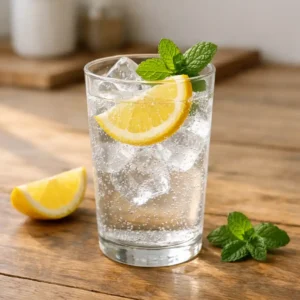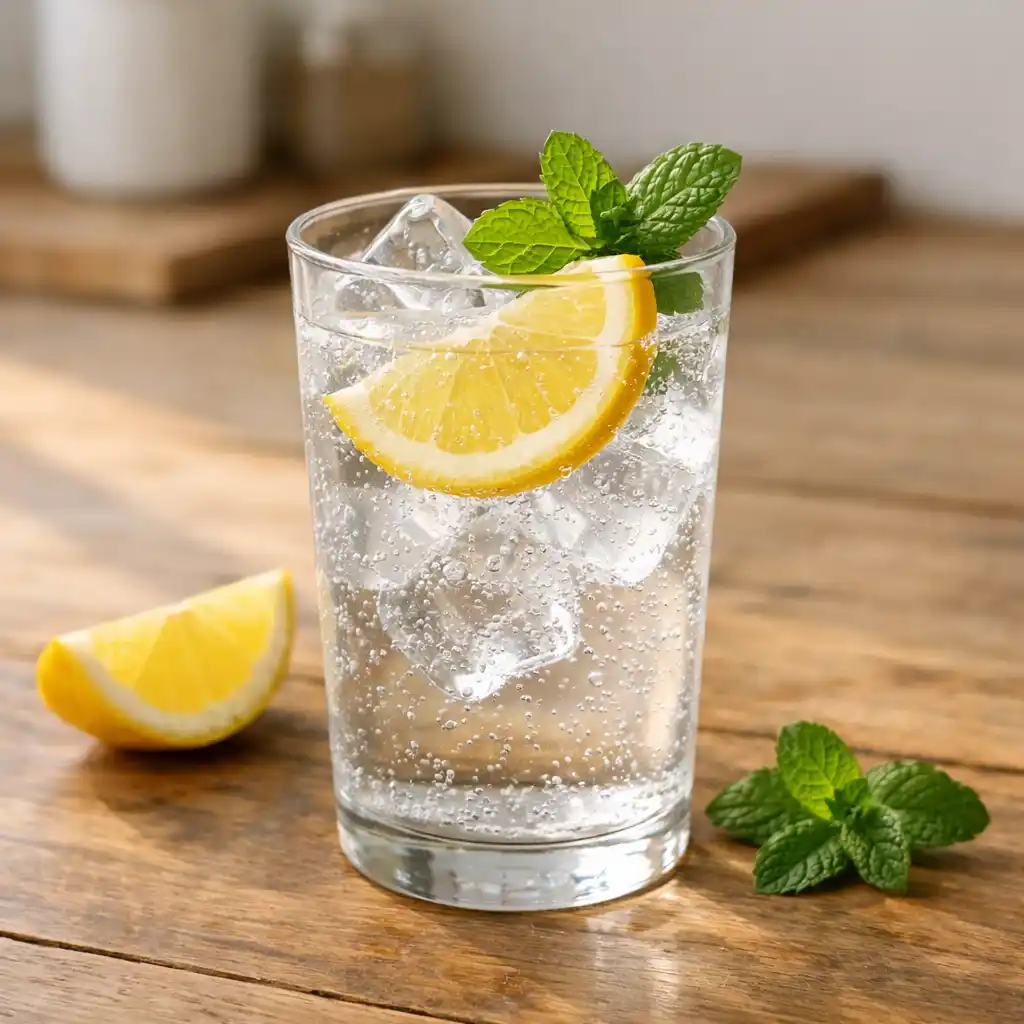
One quiet morning, as I sat near my kitchen window with a slice of lemon and a chilled glass, I remembered the first time I tried tonic water. Its crisp bubbles and slightly bitter taste caught my attention right away. At my age, I enjoy simple drinks that feel refreshing without being overly sweet. That small moment made me curious about a common question many people ask: whats in tonic water and why does it taste so different from other sparkling drinks?
In this guide, we’ll talk clearly about whats in tonic water, including its main ingredients, why quinine is added, and how modern tonic water is made. We’ll also look at how much sugar is usually in tonic water, what tonic water is used for, and what tonic water may help with in everyday drinks.
This article is written for anyone who enjoys refreshing beverages, prepares homemade drinks, or simply wants to understand what ingredients are in tonic water. If you like simple wellness drinks and balanced recipes, you might also enjoy Discover great ideas like zero-calorie drink options that many readers use when choosing lighter beverages.
As we continue, you will learn:
- What tonic water is made of
- How much quinine is in tonic water
- How much sugar tonic water usually contains
- What tonic water is used for in drinks and recipes
- What tonic water may do in the body
- Whether people drink tonic water for leg cramps
I’ll keep everything simple, practical, and honest. Some traditions around tonic water are interesting, but not all of them are proven health practices. This article shares general awareness and everyday drink knowledge.
Let’s start by looking closely at the key question: what’s actually inside tonic water?
What’s in Tonic Water? Understanding the Basic Ingredients
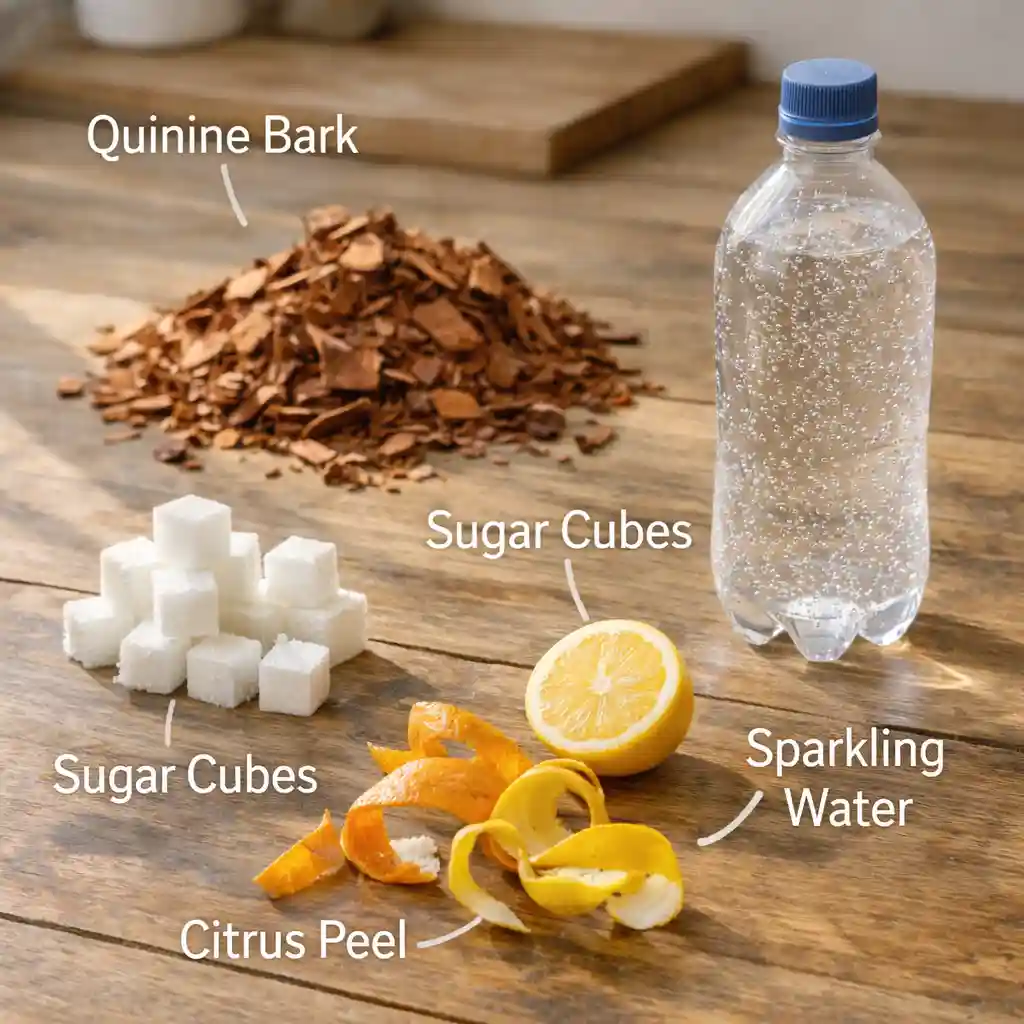
When people ask whats in tonic water, the answer is actually quite simple. Tonic water is a carbonated drink made from a small group of ingredients that work together to create its refreshing bubbles and slightly bitter taste. While many brands exist today, the core formula has stayed fairly consistent for decades.
What Ingredients Are in Tonic Water
Most tonic water contains four main ingredients. Each one plays a specific role in the drink’s taste and texture.
| Ingredient | Purpose in Tonic Water |
|---|---|
| Carbonated Water | Creates the fizzy bubbles and refreshing feel |
| Quinine | Adds the distinctive bitter taste |
| Sugar or Sweetener | Balances the bitterness of quinine |
| Natural Flavorings | Often citrus or botanical notes for extra taste |
The ingredient that makes tonic water unique is quinine. This natural compound comes from the bark of the cinchona tree and gives tonic water its recognizable bitterness. Because of this ingredient, tonic water tastes very different from club soda or sparkling water.
Sweeteners are also common. Regular tonic water usually includes sugar or high-fructose corn syrup, while diet versions use low-calorie alternatives. People who prefer lighter drinks often compare tonic water with other beverages such as natural electrolyte drinks that provide a refreshing taste without as much sweetness.
Why These Ingredients Are Added to Tonic Water
Each ingredient in tonic water serves a clear purpose.
First, carbonated water provides the crisp, sparkling texture people enjoy in refreshing beverages. The bubbles make the drink feel lighter and cooler.
Second, quinine is responsible for the bitter edge that tonic water is known for. Historically, quinine was used in malaria treatment, and tonic water originally helped make the taste of quinine easier to drink.
Next comes sweetener, which balances the bitterness from quinine. Without a sweet element, tonic water would taste very sharp.
Finally, natural flavorings, often citrus oils or botanical extracts, round out the drink and create a more pleasant flavor profile.
Because of this mix, tonic water sits somewhere between sparkling water and flavored soda. People often use it in mocktails, refreshing summer drinks, or simple mixed beverages. Some readers also enjoy experimenting with homemade drink options like natural Gatorade-style drinks when looking for alternatives to packaged beverages.
Understanding what ingredients are in tonic water helps explain both its taste and its many uses in everyday drinks. In the next section, we’ll take a closer look at what tonic water is made of today and how modern versions differ from traditional recipes.
What Is Tonic Water Made Of in Modern Drinks
Today, tonic water still keeps its classic identity, but modern versions often include a few variations depending on the brand. When people ask what is tonic water made of, they usually imagine a simple fizzy drink. In reality, today’s tonic water recipes balance tradition with updated ingredients that suit modern taste preferences.
Traditional Ingredients vs Modern Tonic Water Recipes
Originally, tonic water was created to make quinine easier to drink. Quinine came from the bark of the cinchona tree and was traditionally used in malaria prevention. Early tonic water was therefore very bitter because it contained a higher amount of quinine and very little sweetener.
Over time, drink makers adjusted the formula. Modern tonic water now focuses more on flavor balance rather than medicinal use. The bitterness is milder, and sweeteners are added so the drink feels more refreshing and enjoyable.
Most modern tonic water still includes these base components:
- Carbonated water
- Quinine
- Sugar or sweetener
- Citrus or botanical flavoring
Because of these changes, tonic water today tastes smoother than early versions. It works well in refreshing beverages, light mocktails, or simple sparkling drinks.
Natural and Artificial Ingredients in Tonic Water
Different brands use slightly different ingredient choices. Some tonic waters focus on natural flavors, while others include artificial flavoring or preservatives to maintain shelf life.
Common ingredients you might see on a tonic water label include:
- Natural citrus oils such as lemon or lime
- Botanical extracts
- Cane sugar or high-fructose corn syrup
- Low-calorie sweeteners in diet versions
People who enjoy making drinks at home sometimes compare tonic water with other refreshing beverage styles. For example, readers who like experimenting with unique drinks might enjoy looking for inspiration? Try this Jamaican cowboy drink recipe, which shows how simple ingredients can create a bold and refreshing flavor.
Understanding what tonic water is made of also helps when choosing a healthier option. Some modern brands offer tonic water with less sugar, lighter carbonation, or botanical ingredients that give a cleaner taste.
Next, we’ll look closer at one of the most important ingredients in tonic water: quinine, the compound that gives tonic water its well-known bitter character.
The Role of Quinine in Tonic Water
To fully understand whats in tonic water, we need to talk about its most distinctive ingredient: quinine. This natural compound is responsible for the slightly bitter flavor that makes tonic water different from other sparkling drinks. When people ask whats in tonic water, quinine is usually the ingredient that surprises them the most.
What Is Quinine and Why It Is Used
Quinine comes from the bark of the cinchona tree, which grows mainly in parts of South America. Historically, this plant extract was used in traditional medicine, particularly for malaria treatment. Because of this history, early tonic water was created to make quinine easier to drink. Understanding whats in tonic water today means recognizing that modern tonic water still contains quinine, but in very small amounts.
Over time, tonic water shifted from a medicinal drink to a refreshing beverage. Even so, quinine remains an essential ingredient because it gives tonic water its recognizable taste. Without quinine, the drink would simply taste like flavored sparkling water. That’s why when discussing whats in tonic water, quinine is always one of the main ingredients listed.
How Much Quinine in Tonic Water
Another common question about whats in tonic water involves the amount of quinine present in the drink. Food safety authorities regulate quinine levels to keep tonic water safe for everyday consumption. In many countries, tonic water may contain up to about 83 milligrams of quinine per liter.
This amount is far lower than what was historically used for medical treatment. Today, the quinine in tonic water is mainly there for flavor rather than health purposes. When people research whats in tonic water, they often discover that the bitterness they notice comes from this controlled level of quinine.
Because the quantity is small, tonic water is generally considered safe when consumed in moderation as part of a balanced diet. Still, tonic water is a flavored beverage, not a medical product. This is important to remember whenever discussing whats in tonic water and its ingredients.
Next, we will look at another major component people often wonder about when learning whats in tonic water: the amount of sugar typically found in tonic water.
Disclaimer: This information is shared for general awareness and is not a medical treatment.
How Much Sugar in Tonic Water
Another common question people ask when learning whats in tonic water is about sugar. While tonic water is not as sweet as many sodas, it still contains a noticeable amount of sugar in most regular versions. Understanding the sugar content is helpful for anyone trying to choose lighter drinks or balance daily sugar intake.
Typical Sugar Levels in Regular Tonic Water
Most standard tonic water brands contain 20 to 30 grams of sugar per 12-ounce serving. The exact amount depends on the brand and the type of sweetener used. Sugar is added mainly to balance the bitterness of quinine. Without it, tonic water would taste extremely sharp and unpleasant.
Here is a simple comparison of typical sugar levels in different tonic water types:
| Type of Tonic Water | Average Sugar per 12 oz |
|---|---|
| Regular tonic water | 20–30 g |
| Light tonic water | 10–15 g |
| Diet tonic water | 0–1 g |
Because of this sugar content, some people choose tonic water only occasionally or mix it with other sparkling drinks. Others compare tonic water with lighter beverage choices such as checking out zero-calorie drink ideas when they want something bubbly without extra sugar.
Sugar-Free and Diet Tonic Water Options
For those watching sugar intake, diet tonic water is widely available. These versions replace regular sugar with alternative sweeteners such as stevia, sucralose, or other low-calorie options. The goal is to keep the refreshing taste while reducing calories.
However, the flavor of diet tonic water can be slightly different from the traditional version because artificial or plant-based sweeteners interact differently with quinine’s bitterness.
Some people also like experimenting with homemade drinks where they control the sweetness level themselves. For example, refreshing beverages like natural electrolyte drink recipes are often prepared with simple ingredients and moderate sweetness.
Understanding sugar content is an important part of knowing whats in tonic water. Once you know how much sugar is typically included, it becomes easier to decide how tonic water fits into your daily drink choices.
Next, we’ll look at another practical question many readers have when learning whats in tonic water: what tonic water is used for in everyday drinks and recipes.
What Tonic Water Is Used For in Everyday Drinks
Many people first ask whats in tonic water, but soon after they become curious about how it is actually used. Once you understand whats in tonic water, it becomes clear why this sparkling beverage appears in so many refreshing drinks. The combination of carbonation, quinine, and a touch of sweetness gives tonic water a balanced taste that works well in simple beverages and creative drink recipes.
Common Uses of Tonic Water in Drinks
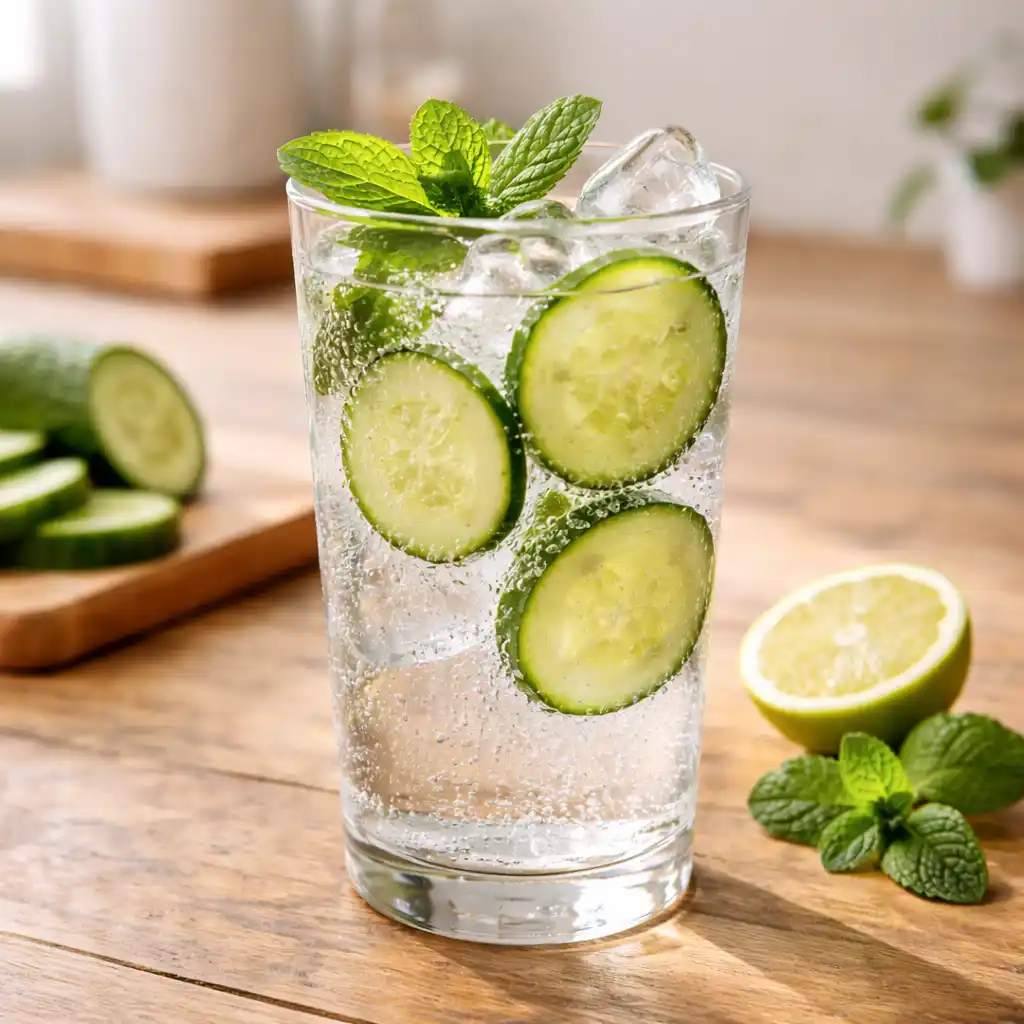
One of the most common uses for tonic water is as a mixing base for sparkling beverages. Because of its crisp bubbles and mild bitterness, tonic water pairs well with citrus fruits, herbs, and light syrups. After learning whats in tonic water, many home cooks begin experimenting with lemon slices, mint leaves, or cucumber to create refreshing non-alcoholic drinks.
Tonic water is also popular in mocktails and homemade refreshers. The carbonation adds a lively texture while quinine provides a subtle bitter note that balances sweeter ingredients. When people understand whats in tonic water, they often realize it can replace sugary sodas in certain drink recipes.
Some readers who enjoy creative beverages also like experimenting with recipes such as checking out a natural Gatorade-style drink when they want a refreshing option made with simple ingredients.
Culinary Uses of Tonic Water
Beyond beverages, tonic water sometimes appears in light culinary uses. Some cooks use tonic water in fruit spritzers or frozen desserts because the carbonation creates a gentle fizz. After learning whats in tonic water, it becomes easier to see how its unique flavor can add brightness to certain recipes.
Tonic water can also be mixed with citrus juice and herbs to make refreshing summer drinks served with meals. In this way, tonic water acts as a sparkling flavor base, similar to other carbonated beverages but with its own distinctive bitterness.
People who enjoy experimenting with unusual drinks sometimes compare tonic water with bold beverage ideas like looking for inspiration? Try this titanic energy drink recipe, which shows how different ingredients create unique drink flavors.
Knowing whats in tonic water helps explain why it works so well in both simple refreshments and creative drink recipes. In the next section, we will look at another interesting question many readers ask when researching whats in tonic water: what tonic water may help with and why people drink it for certain purposes.
What Does Tonic Water Help With?
After learning whats in tonic water, many people naturally wonder if this drink offers any benefits beyond its refreshing taste. While tonic water is mainly enjoyed as a flavored sparkling beverage, its ingredients—especially quinine—have an interesting history that often sparks curiosity.
Traditional Uses of Tonic Water
Historically, quinine was used in the treatment of malaria. Because quinine has a very bitter taste, tonic water was originally created to make it easier to drink. This historical background is often mentioned when discussing whats in tonic water, since quinine remains the ingredient that gives tonic water its distinctive flavor.
However, modern tonic water contains much smaller amounts of quinine than those used in historical treatments. Today, tonic water is mainly consumed for its crisp taste rather than for medical purposes. When people research whats in tonic water, they often discover that the drink’s original medicinal role has largely faded over time.
Everyday Reasons People Drink Tonic Water
Today, tonic water is most commonly enjoyed as a refreshing beverage. Many people like its balanced flavor—slightly bitter, slightly sweet, and pleasantly fizzy. Because of this combination, tonic water works well in both simple drinks and creative mocktails.
Some people also prefer tonic water because it feels lighter than many sugary sodas. Others enjoy pairing it with citrus slices, herbs, or fruit to create refreshing homemade drinks. If you enjoy experimenting with wellness beverages, you might also enjoy discover great ideas like this cucumber weight loss drink, which uses simple ingredients for a clean and refreshing taste.
Although tonic water is sometimes mentioned in conversations about digestion or hydration, it is important to remember that tonic water is not a medical treatment. It should be enjoyed as a beverage rather than relied upon for health outcomes.
Disclaimer: This information is shared for general awareness and is not a medical treatment.
Next, we’ll examine another question people often ask when researching whats in tonic water: what tonic water may do in the body and how its ingredients interact when consumed in moderation.
What Does Tonic Water Do in the Body?
When people learn whats in tonic water, they often start wondering how those ingredients interact with the body. Tonic water may look like any other sparkling drink, yet its unique blend of carbonation, quinine, and mild sweetness gives it a character that feels slightly different from ordinary soda or sparkling water.
How Carbonated Drinks Like Tonic Water Affect Digestion
Carbonation is one of the first things people notice when drinking tonic water. The bubbles create a crisp sensation that many people find refreshing. From my experience preparing simple drinks in the kitchen, that light fizz often makes beverages feel more satisfying, especially when served cold with lemon or fresh herbs.
Because of the carbonation, tonic water may sometimes create a mild feeling of fullness. Some people enjoy this effect after meals, particularly when they want a light and refreshing drink instead of something heavy. Understanding whats in tonic water also helps explain this experience, since the carbonated water component behaves much like other sparkling beverages.
However, just like any fizzy drink, too much carbonation may cause temporary bloating for some individuals. Moderation usually keeps the drink comfortable and enjoyable.
Effects of Quinine in Small Quantities
Another part of whats in tonic water that interests many readers is quinine. In modern tonic water, quinine appears in very small, regulated amounts. Its main role today is flavor rather than health support.
Because the quantity is low, most people simply experience quinine as the subtle bitterness that balances the sweetness of tonic water. This balance is part of what makes tonic water work well in refreshing beverages and mocktails.
People who enjoy experimenting with lighter drinks sometimes compare tonic water with homemade wellness beverages such as looking for inspiration? Try this weight loss drink with ginger, where natural ingredients create refreshing flavor combinations.
In everyday use, tonic water behaves much like other flavored sparkling drinks. It can feel refreshing, mildly stimulating because of the bubbles, and pleasant when paired with citrus or herbs. Learning whats in tonic water helps clarify that its main purpose today is flavor and refreshment rather than medical use.
Disclaimer: This information is shared for general awareness and is not a medical treatment.
Next, we’ll discuss another topic that often appears when people research whats in tonic water—the popular question about tonic water and leg cramps.

How Much Tonic Water for Leg Cramps?
Another topic that often appears when people research whats in tonic water is the idea that tonic water may help with leg cramps. This belief has been shared for many years, mostly because tonic water contains quinine. Since quinine was historically used in medical treatments, some people assume that drinking tonic water might ease muscle discomfort.
Why People Link Tonic Water and Leg Cramps
The connection between tonic water and leg cramps mainly comes from quinine. Long ago, quinine was sometimes used in medical settings for certain muscle-related conditions. Because quinine is still part of whats in tonic water, some people began drinking small amounts of tonic water hoping it might help with nighttime leg cramps.
However, the amount of quinine in modern tonic water is very small and strictly regulated. Its main purpose today is simply to give tonic water its familiar bitter taste. When discussing whats in tonic water, it’s important to remember that the drink was not designed to treat muscle cramps or medical conditions.
Some people still enjoy tonic water as a refreshing evening drink, especially when paired with citrus slices or herbs. Others prefer lighter homemade beverages and may look for alternatives such as checking out simple apple cider vinegar drink ideas that use everyday kitchen ingredients.
Is Tonic Water Recommended for Leg Cramps?
Medical organizations generally do not recommend tonic water as a treatment for leg cramps. The small amount of quinine in tonic water is intended for flavor only. Drinking tonic water occasionally as a beverage is usually fine for most people, but it should not be considered a solution for muscle pain.
If someone frequently experiences leg cramps, it is best to look at factors like hydration, nutrition, and overall health habits. Some people also enjoy experimenting with refreshing hydration drinks such as natural electrolyte drink recipes when focusing on balanced daily hydration.
Learning whats in tonic water helps clarify why tonic water is mainly appreciated as a sparkling beverage rather than a remedy. Its crisp bubbles, gentle sweetness, and subtle bitterness make it enjoyable in drinks, but it should always be consumed in moderation.
Disclaimer: This information is shared for general awareness and is not a medical treatment.
Next, we will look at practical tips for choosing tonic water products and understanding labels when learning more about whats in tonic water.
Tips for Choosing Healthy Tonic Water
Once people understand whats in tonic water, the next practical step is choosing a good product. Walk through any grocery store beverage aisle and you will see many tonic water brands, each with slightly different ingredients. Knowing whats in tonic water makes it easier to read labels and pick an option that fits your taste and lifestyle.
Reading Ingredient Labels Carefully
The first thing I usually do when picking a tonic water is look at the ingredient list. Since we already discussed whats in tonic water, you now know the key ingredients to look for: carbonated water, quinine, sweetener, and flavoring.
However, brands can differ in the type of sweetener used. Some tonic waters rely on cane sugar, while others use high-fructose corn syrup or low-calorie sweeteners. If you prefer a lighter drink, it helps to compare labels and choose one with lower sugar content.
Many readers who watch their sugar intake also enjoy browsing drink alternatives like discover great ideas like zero-calorie drinks when they want something bubbly without added sugar.
Better Tonic Water Options for Wellness Drinks
Another helpful tip is to look for tonic water with simple ingredient lists. Some premium brands use natural citrus oils or botanical extracts for flavor rather than artificial additives. When you understand whats in tonic water, these small differences become much easier to notice.
If you enjoy making drinks at home, tonic water can also work as a base for refreshing combinations. Lemon slices, cucumber, mint, or berries can create a simple drink that feels light and flavorful. Many home cooks also experiment with wellness beverages like looking for inspiration? Try this lemon weight loss drink recipe when building refreshing daily drink habits.
At the end of the day, tonic water is best enjoyed as a refreshing sparkling beverage rather than a health product. Knowing whats in tonic water simply helps you choose the version that matches your preferences.
Next, we’ll answer the most common questions readers ask online about whats in tonic water, including ingredients, sugar levels, and how much quinine it contains.
Frequently Asked Questions About Whats in Tonic Water
Many readers who learn whats in tonic water still have a few practical questions about its ingredients and how it fits into everyday drinks. Below are clear answers to the most common questions people search online when trying to understand tonic water.
What is in tonic water?
The basic ingredients explain whats in tonic water quite clearly. Most tonic water contains carbonated water, quinine, sugar or another sweetener, and natural flavorings such as citrus oils. These ingredients work together to create the crisp, slightly bitter flavor that makes tonic water different from sparkling water or soda.
How much sugar in tonic water?
Regular tonic water often contains around 20–30 grams of sugar per 12-ounce serving, although the exact amount varies by brand. Diet tonic water typically replaces sugar with low-calorie sweeteners. People who prefer lighter beverages sometimes compare tonic water with refreshing options like checking out natural electrolyte drink recipes when choosing everyday drinks.
What is tonic water made of?
When discussing whats in tonic water, the core ingredients remain consistent: carbonated water, quinine, sweetener, and flavoring. Some premium brands also include botanical extracts or natural citrus oils to give the drink a slightly more complex flavor.
How much quinine in tonic water?
Food safety regulations limit the amount of quinine in tonic water. In many countries, tonic water may contain up to about 83 milligrams of quinine per liter. This small quantity mainly contributes to flavor rather than any medicinal purpose.
How much tonic water for leg cramps?
There is no recommended amount of tonic water for leg cramps. While some people mention tonic water in connection with muscle cramps, the quinine level in modern tonic water is very low. Because of this, tonic water should simply be enjoyed as a beverage rather than a remedy.
What does tonic water help with?
Most people drink tonic water for its refreshing taste and fizzy texture. It works well in mixed drinks, mocktails, and light refreshments. Some readers who enjoy experimenting with beverages also like discover great ideas like cucumber weight loss drinks when preparing refreshing homemade drinks.
Disclaimer: This information is shared for general awareness and is not a medical treatment.
In the final section, we’ll summarize the key points so you clearly understand whats in tonic water and how to enjoy it as part of a balanced lifestyle.
Conclusion: Understanding Whats in Tonic Water
After going through the details, whats in tonic water becomes much easier to understand. This sparkling beverage is built from a simple mix of carbonated water, quinine, sweetener, and light flavorings. Together, these ingredients create the crisp bubbles and gentle bitterness that make tonic water different from other fizzy drinks.
For many people, the curiosity about whats in tonic water starts with its unusual taste. That slightly bitter edge comes from quinine, while sugar or other sweeteners help balance the flavor. Once you know whats in tonic water, it becomes clear why it works so well in refreshing drinks, mocktails, and simple homemade beverages.
Tonic water is best enjoyed in moderation as part of a balanced lifestyle. Some people like adding lemon, mint, or cucumber to create a lighter drink. Others compare it with other refreshing beverage ideas such as discover great ideas like natural electrolyte drink recipes when looking for simple hydration options.
If you enjoy trying new drink ideas or learning about everyday ingredients, you can also learn more about simple wellness drinks and recipes on our Facebook page and check out fresh inspiration on our Pinterest boards where we share easy beverage ideas and healthy recipes.
Understanding whats in tonic water helps you make informed choices about what you drink and how you use tonic water in your kitchen. Whether served over ice with citrus or used in creative mocktails, tonic water remains a refreshing classic that many people continue to enjoy.