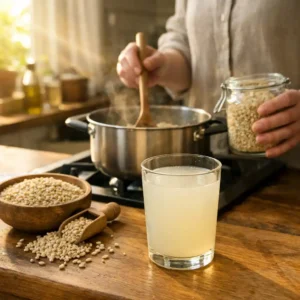
One quiet morning in my kitchen, I sat with a warm cup of herbal tea and thought about how many people today are curious about simple wellness habits. Over the years, I’ve seen friends try different routines—from gentle detox drinks to mindful eating days. Recently, one topic kept appearing in conversations and messages: the water fasting challenge.
A water fasting challenge is exactly what it sounds like. For a short period of time, a person drinks only water while avoiding food and calorie-containing beverages. Some people attempt it for 24 hours, while others try longer periods as a personal discipline or wellness experiment.
However, fasting is not just a trend on social media. Many cultures and traditions have practiced forms of fasting for centuries for spiritual reflection, self-discipline, and digestive rest. Today, many people are curious about whether a water fasting challenge may support mindful eating habits or help them reset their relationship with food.
Still, fasting can also bring risks if done carelessly. That is why learning the basics before trying any fasting routine is important. In this guide, we will look at the water fasting challenge in a balanced and practical way.
You will learn:
- What a water fasting challenge really is
- How the body may respond during fasting
- Possible benefits and important safety concerns
- Simple preparation tips before starting
- The right way to break a fast afterward
We will also answer common questions people often ask before attempting fasting.
If you are new to fasting, it helps to understand the different styles people follow. For example, some traditions such as the Japanese water fasting method include structured routines and careful preparation before the fast begins.
Another important part of fasting is hydration. While plain water is usually the main drink during a fast, many beginners still wonder what beverages might be acceptable. If that question sounds familiar, you may find helpful guidance in this guide about what you can drink while fasting.
Before continuing, it’s important to remember something simple: fasting is not suitable for everyone. Each body responds differently, and medical conditions, medications, or nutritional needs may affect whether fasting is appropriate.
Disclaimer: This article is shared for general awareness and educational purposes only. It is not a medical treatment or a substitute for professional medical advice.
With that said, let’s begin by understanding what a water fasting challenge actually involves and why it has become such a widely discussed wellness practice.
Understanding the Water Fasting Challenge
The water fasting challenge may sound simple at first—drink water and skip food for a set period. Yet in reality, it involves more than just avoiding meals. People who try a water fasting challenge usually set a specific timeframe, such as 24 hours, 48 hours, or occasionally longer. During this time, they drink plain water while avoiding calories from food or beverages.
What Is a Water Fasting Challenge?
A water fasting challenge is a temporary fasting period where a person consumes only water. No solid foods, juices, smoothies, or sweetened drinks are included. The goal for many participants is to pause regular eating habits and focus on hydration and mindful awareness of hunger signals.
Some individuals approach fasting as a personal wellness routine, while others treat it as a discipline or lifestyle experiment. In many traditional cultures, fasting has also been associated with spiritual reflection and self-control.
Still, beginners often ask practical questions about what they are allowed to drink. While most water fasts rely strictly on water, some people research related hydration options and fasting-friendly beverages. If you’re curious about alternatives, you may want to read about zero-calorie drinks that are sometimes discussed in fasting communities.
Why the Water Fasting Challenge Has Become Popular
Over the past few years, the water fasting challenge has gained attention through wellness blogs, social media discussions, and health forums. Many people today are looking for simple routines that encourage mindful eating and better awareness of daily habits.
Another reason for its popularity is curiosity about metabolic rest. Some supporters believe short fasting periods may give the digestive system a break and encourage healthier food choices afterward. However, these experiences vary from person to person.
Hydration is also an important topic during fasting. Because the body receives no water from food during the fast, staying properly hydrated becomes even more important. For those who later transition back to light wellness drinks, recipes such as a natural electrolyte drink are often discussed as gentle hydration options after fasting.
Different Types of Water Fasting Challenges
Not all fasting challenges follow the same structure. People typically experiment with different durations depending on their experience and comfort level.
Here is a simple comparison:
| Fasting Type | Typical Duration | Common Purpose |
|---|---|---|
| Beginner Water Fast | 12–24 hours | Personal discipline and awareness of hunger |
| Short Water Fast | 24–48 hours | Lifestyle experiment or reset routine |
| Extended Water Fast | 72 hours or more | Advanced fasting practice under guidance |
Beginners are usually encouraged to start with shorter fasting windows instead of jumping into longer challenges. This approach helps the body adjust gradually while allowing people to observe how they feel.
Understanding these basics makes the water fasting challenge easier to approach thoughtfully. In the next section, we will look at something many people wonder about: what actually happens inside the body during a water fast.
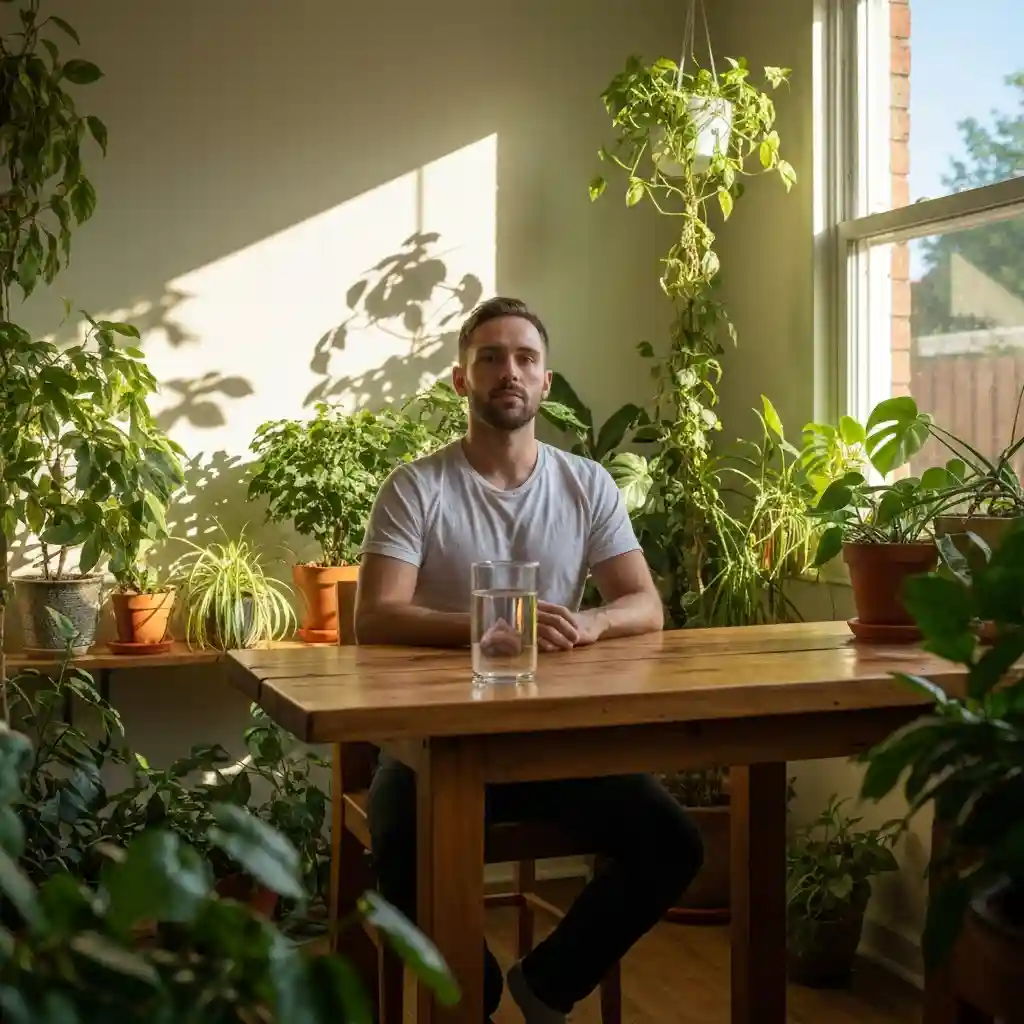
How the Body Responds During a Water Fasting Challenge
When someone begins a water fasting challenge, the body starts adjusting to the absence of food. At first, this change may feel unusual because the body is used to receiving energy regularly throughout the day. However, the body has natural processes that allow it to adapt for short periods without food.
What Happens in the First 24 Hours
During the first hours of a water fasting challenge, the body mainly uses stored energy from recent meals. Glucose stored in the liver and muscles helps maintain normal energy levels.
Many people notice that hunger waves appear around their usual meal times. Interestingly, these feelings often come and go rather than lasting all day. Drinking water regularly can help manage these moments and support hydration during the fast.
Some beginners also experiment with simple hydration habits before fasting begins. For example, routines like the ice water habit are sometimes discussed as ways to stay refreshed and mindful of daily water intake.
Metabolism Changes During a Water Fasting Challenge
As the water fasting challenge continues, the body gradually shifts how it uses energy. Instead of relying on incoming calories, it begins using stored resources. This natural adaptation has been observed in many forms of fasting practiced across different cultures.
Still, it is important to approach fasting gently and pay attention to how the body feels. Fatigue, headaches, or mild dizziness may occur for some individuals, especially during the early stages of fasting.
This is why many experienced fasters suggest preparing properly before starting and avoiding intense physical activity during a fasting period.
Hydration and Energy Levels While Fasting
Hydration becomes especially important during a water fasting challenge. Normally, the body receives water not only from drinks but also from foods like fruits, vegetables, and soups. When fasting, that additional source of hydration disappears.
Because of this, people often focus on drinking enough water throughout the day. Some also research hydration-friendly beverages that can be used before or after fasting periods. If you’re curious about fasting-friendly drinks, you might find helpful ideas in this guide to what you can drink while fasting.
Understanding how the body responds during a fast can help people approach a water fasting challenge more thoughtfully. In the next section, we will discuss why some individuals try fasting and the possible benefits people commonly talk about.
Possible Benefits People Associate with a Water Fasting Challenge
Many people become curious about the water fasting challenge because they want to reset their eating habits or practice a simple wellness routine. While experiences vary, the water fasting challenge is often discussed in traditional wellness circles as a short pause from regular meals.
Traditional Reasons People Try a Water Fasting Challenge
Historically, fasting has existed in many cultures for reflection, discipline, and balance. The modern water fasting challenge often follows that same idea—taking a break from constant eating and focusing on hydration.
Some people say a water fasting challenge helps them become more aware of hunger patterns. Instead of eating automatically, they notice when hunger truly appears. Because of this, the water fasting challenge is sometimes seen as a way to build mindful eating habits rather than a quick health solution.
Water Fasting Challenge and Digestive Rest
Another reason people talk about the water fasting challenge is the idea of giving the digestive system a temporary pause. During a water fasting challenge, the body is not processing regular meals, which may make some individuals feel lighter or less bloated.
However, these experiences can vary widely. For some people, a water fasting challenge feels comfortable for short periods, while others may feel tired or low on energy. Listening to the body is important during any water fasting challenge, especially for beginners.
How a Water Fasting Challenge May Encourage Mindful Eating
One interesting outcome people mention after completing a water fasting challenge is a stronger awareness of food choices. After a water fasting challenge, many participants report paying more attention to the quality and portion of their meals.
Instead of returning to heavy or processed foods immediately after a water fasting challenge, some individuals choose lighter options such as fruits, soups, or simple wellness drinks. In many routines, people transition gradually with refreshing drinks like lemon water drinks before returning to regular meals.
For others, the water fasting challenge becomes less about restriction and more about learning balance. They view the water fasting challenge as a temporary reset that reminds them to eat slowly and stay hydrated throughout the day.
Still, it is important to remember that a water fasting challenge does not work the same way for everyone. Some people may enjoy the simplicity of the routine, while others may prefer gentler habits such as balanced meals or hydration-focused drinks.
In the next section, we will look closely at the risks and safety concerns of a water fasting challenge, so readers can understand when fasting may not be appropriate.
Disclaimer: This article is for general awareness and educational purposes only. It is not a medical treatment or professional medical advice.
Risks and Safety Concerns of a Water Fasting Challenge
While many people are curious about trying a water fasting challenge, it is just as important to understand the possible risks. Fasting may feel simple, but the body still requires nutrients and energy to function well. Because of this, anyone considering a water fasting challenge should approach it with caution and awareness.
Common Side Effects During a Water Fasting Challenge
During the early stages of a water fasting challenge, some people report feeling headaches, fatigue, dizziness, or irritability. These symptoms may appear as the body adjusts to the sudden absence of food.
Energy levels can also drop during a water fasting challenge, especially if someone continues normal daily activities without extra rest. For that reason, many experienced fasters recommend keeping physical activity light and focusing on hydration throughout the challenge.
Some individuals also pay attention to hydration balance during fasting. In certain cases, gentle mineral drinks or natural electrolyte blends are discussed as part of post-fast recovery routines. If you’re interested in hydration ideas after fasting, you might find inspiration in this guide to natural electrolyte drink recipes.
Who Should Avoid a Water Fasting Challenge
A water fasting challenge is not suitable for everyone. Certain groups of people should avoid fasting unless supervised by a qualified health professional.
This may include:
- Pregnant or breastfeeding women
- People with diabetes or blood sugar conditions
- Individuals taking medications that require food
- Anyone with a history of eating disorders
For these individuals, a water fasting challenge could lead to unwanted health complications if attempted without proper guidance.
Why Medical Guidance Matters Before Starting
Even for healthy individuals, a water fasting challenge should be approached carefully. The body’s nutritional needs vary from person to person, and long fasting periods can sometimes lead to dehydration or nutrient imbalances.
Because of this, many wellness professionals encourage people to learn about safe fasting habits and hydration before attempting a water fasting challenge. Simple steps like preparing meals carefully before the fast and gradually returning to normal eating afterward can make the experience more manageable.
Some people also research fasting-friendly drinks and hydration options beforehand. For example, guides discussing what you can drink while fasting often help beginners understand what supports hydration during fasting periods.
Understanding the possible risks helps readers approach the water fasting challenge responsibly. In the next section, we will discuss how to prepare your body and mindset before starting a fasting challenge so the experience can be safer and more thoughtful.

Disclaimer: This information is shared for general awareness and education. It is not a medical treatment or professional medical advice.
How to Prepare for a Water Fasting Challenge
Preparing properly before starting a water fasting challenge can make the experience smoother and safer. Instead of beginning suddenly, many people find it helpful to gradually adjust their eating habits a few days before the water fasting challenge begins. This small preparation step may help the body transition more comfortably into a short fasting period.
Foods to Eat Before Beginning a Fast
Before a water fasting challenge, lighter meals are often recommended in wellness traditions. Simple foods such as vegetables, fruit, soups, and whole grains are easier to digest and may help the body adapt when regular meals pause. Heavy processed foods or large portions can sometimes make the first hours of a water fasting challenge feel more difficult.
Hydration also matters during this preparation phase. Drinking water regularly in the days leading up to a water fasting challenge helps the body maintain fluid balance before food intake stops.
Preparing Your Body and Mind for the Challenge
Mental preparation is just as important as physical preparation. A water fasting challenge often requires patience because hunger signals may appear at usual meal times. Some people find it helpful to plan calm activities such as reading, walking, or light stretching while completing a water fasting challenge.
Another helpful step is learning about drinks that are commonly discussed in fasting communities. While water remains the main focus during a water fasting challenge, some people read about hydration-friendly beverages before and after fasting periods. For example, this guide on can you have lemon water while fasting discusses a question many beginners often ask.
Setting Realistic Goals Before Starting
A successful water fasting challenge usually begins with realistic expectations. Beginners often start with shorter fasting windows instead of attempting long fasts right away. Trying a 12-hour or 24-hour water fasting challenge allows people to observe how their body reacts before considering longer periods.
Many individuals also set personal goals before starting a water fasting challenge. These goals might include becoming more aware of hunger signals, practicing discipline, or learning to stay hydrated throughout the day.
Preparing carefully helps people approach a water fasting challenge with patience and awareness. In the next section, we will discuss practical tips to stay safe and comfortable during a fasting challenge.

Disclaimer: This information is shared for general awareness and education. It is not a medical treatment or professional medical advice.
Tips to Stay Safe During a Water Fasting Challenge
Trying a water fasting challenge can feel easier when you follow a few practical habits that support comfort and hydration. While every person’s body reacts differently, simple routines such as drinking enough water, resting, and paying attention to physical signals can help make a short water fasting challenge more manageable.
Drinking Enough Water and Maintaining Hydration
Hydration is the most important part of a water fasting challenge. Since the body normally receives fluids from foods like fruits and vegetables, that extra source disappears during fasting. Because of this, people often drink water steadily throughout the day during a water fasting challenge rather than waiting until they feel thirsty.
Some individuals also research mineral balance before beginning a water fasting challenge. Natural minerals like sodium and potassium play a role in hydration. If you want to understand how natural salts are sometimes discussed in hydration routines, you may find this guide about benefits of Celtic sea salt helpful.
Listening to Your Body During the Fast
One important rule during a water fasting challenge is to pay close attention to how your body feels. Mild hunger waves may come and go, especially during the hours when meals normally occur. However, stronger symptoms such as persistent dizziness, confusion, or severe weakness should not be ignored during a water fasting challenge.
Taking breaks, sitting down, and staying hydrated may help when energy drops slightly. Still, if symptoms become uncomfortable, stopping the water fasting challenge and returning to gentle foods may be the safer choice.
Light Activities That May Help During the Challenge
While intense exercise is usually avoided during a water fasting challenge, light activities can help pass the time and maintain a relaxed mindset. Short walks, stretching, journaling, or quiet hobbies often feel easier than demanding workouts during a water fasting challenge.
Some people also find that preparing healthy meals in advance helps them break the fast more gently later. Planning light drinks or simple recipes ahead of time can make the transition easier after completing a water fasting challenge.
For example, refreshing hydration drinks such as cucumber-based wellness drinks are sometimes enjoyed after fasting periods when people begin reintroducing light flavors and fluids.
Learning how to stay comfortable and hydrated can make a water fasting challenge feel less stressful. In the next section, we will look at something many beginners overlook: how to break a fast properly after completing a water fasting challenge.
Disclaimer: This information is for general awareness and education only. It is not medical advice or a substitute for professional healthcare guidance.
Breaking a Water Fast the Right Way
I remember one afternoon after a short fasting day when a friend told me something simple but wise: “The way you end a fast matters just as much as the fast itself.” That small thought stayed with me. Many people focus heavily on completing a water fasting challenge, yet the real comfort often comes from how gently the body returns to normal eating afterward.
Why Refeeding Is Important After Fasting
After finishing a water fasting challenge, the digestive system has been resting for a period of time. Jumping straight into large or heavy meals may feel uncomfortable. Because of this, many people choose a gradual return to food after a water fasting challenge.
Light and simple foods often feel easier during the first meal. Soft fruits, warm broth, yogurt, or small portions of vegetables are commonly mentioned in traditional fasting routines. This gentle approach allows the body to adjust again after a water fasting challenge without overwhelming digestion.
Hydration also continues to matter after the fasting period ends. Some people prefer refreshing drinks or light wellness beverages before returning fully to solid meals. For example, mild hydration drinks such as weight loss drinks with ginger are sometimes enjoyed after fasting because they feel soothing and light.
Best Foods to Eat After a Water Fasting Challenge
Choosing the right foods can make the transition smoother after a water fasting challenge. Many people begin with small portions rather than a full meal. This step allows the stomach to slowly wake up again after the water fasting challenge.
Some gentle food ideas include:
| Gentle First Foods | Why They May Feel Easier |
|---|---|
| Fresh fruit | Naturally hydrating and light |
| Vegetable soup | Warm and easy to digest |
| Yogurt or kefir | Often discussed for digestive balance |
| Light smoothies | Provide nutrients without heavy digestion |
These foods are often mentioned because they allow the body to ease back into regular digestion after a water fasting challenge.
Mistakes to Avoid When Ending a Fast
One common mistake after a water fasting challenge is eating too quickly. After fasting, hunger may feel strong, which can tempt people to eat large portions right away. However, eating slowly and choosing lighter meals often feels more comfortable after a water fasting challenge.
Another mistake is forgetting hydration once the fast ends. Drinking water regularly and adding simple drinks can help maintain balance after the water fasting challenge is complete.
Ending the fasting period gently allows the body to return to normal eating habits without stress. When the water fasting challenge ends thoughtfully, many people feel more aware of their food choices and portion sizes.
In the next section, we will compare the water fasting challenge with other popular fasting methods so readers can better understand how different fasting styles work.
Disclaimer: This article is shared for educational awareness only and does not replace professional medical advice.
Water Fasting Challenge vs Other Fasting Methods
When people first hear about a water fasting challenge, they often wonder how it compares with other fasting styles. While the water fasting challenge focuses on drinking only water for a set time, other fasting approaches allow certain foods or beverages. Understanding these differences helps readers decide which approach feels more realistic for their lifestyle.
Water Fasting Challenge vs Intermittent Fasting
Intermittent fasting is one of the most common alternatives to a water fasting challenge. Instead of avoiding food completely for long periods, intermittent fasting usually limits eating to a specific daily window.
For example, a popular routine is the 16:8 method, where someone fasts for 16 hours and eats during an 8-hour window. Compared with a water fasting challenge, intermittent fasting often feels easier for beginners because it still allows daily meals.
Another key difference is flexibility. During intermittent fasting, some people include low-calorie beverages or drinks without sugar. If you want to learn more about beverage options that people discuss during fasting periods, this guide about zero-calorie drinks can provide helpful ideas.
Water Fasting Challenge vs Juice Fasting
Juice fasting is another approach sometimes compared with a water fasting challenge. Instead of drinking only water, people consume fresh fruit or vegetable juices throughout the day.
Supporters of juice fasting often like that juices provide vitamins and natural flavors while still reducing solid food intake. However, a water fasting challenge removes calories completely, which makes it a stricter fasting style.
Some individuals prefer juice-based routines because they feel less restrictive than a water fasting challenge, while others prefer the simplicity of drinking only water.
Choosing the Right Fasting Method for Your Lifestyle
Selecting the right fasting method often depends on personal goals and comfort levels. A water fasting challenge may appeal to people who want a short and simple fasting experiment with minimal preparation.
However, beginners sometimes start with lighter routines before attempting a water fasting challenge. Approaches like intermittent fasting or gentle hydration routines can help people learn how their body responds to fasting periods.
For example, some individuals begin with simple hydration-focused habits such as lemon-based wellness drinks before exploring longer fasting windows.
The key idea is balance. Whether someone chooses intermittent fasting, juice fasting, or a water fasting challenge, listening to the body and approaching fasting with patience can make the experience more positive.
In the next section, we will share practical beginner tips for anyone considering a water fasting challenge, including how to start gradually and recognize when it may be time to stop.
Disclaimer: This article is for educational awareness only and is not a substitute for professional medical advice.
Practical Tips for Beginners Trying a Water Fasting Challenge

The first time someone considers a water fasting challenge, it can feel both interesting and a little uncertain. I often tell friends that starting gently makes the experience more comfortable. Instead of thinking about long fasting periods right away, many people approach a water fasting challenge as a simple learning experience.
Starting with Short Fasts Instead of Long Challenges

A helpful way to begin is with a shorter fasting window. Rather than jumping into an extended water fasting challenge, beginners often try a 12-hour or 24-hour fast first. This small step allows the body to adjust gradually.
Shorter fasting periods can also help people notice how their hunger patterns change during a water fasting challenge. Some discover that hunger comes in waves, while others realize that staying hydrated makes the fast feel easier.
Hydration habits built before fasting can be helpful too. Some people practice drinking water regularly throughout the day before attempting a water fasting challenge, and guides about what you can drink while fasting often answer beginner questions about hydration.
Tracking Your Progress and Well-Being
Keeping a simple journal can be useful during a water fasting challenge. Writing down how you feel throughout the day helps you notice patterns in energy, hunger, and mood.
Many beginners also pay attention to hydration levels while doing a water fasting challenge. Drinking water consistently and resting when needed may help maintain comfort during the fasting period.
Some individuals like to transition back to gentle drinks after fasting. Refreshing options such as cucumber hydration drinks are sometimes mentioned as light beverages once regular eating begins again.
Knowing When to Stop a Water Fasting Challenge
Listening to the body is one of the most important rules during a water fasting challenge. Mild hunger and temporary fatigue can happen, but stronger symptoms such as dizziness, confusion, or persistent weakness should not be ignored.
Stopping a water fasting challenge early is sometimes the wisest decision if the body signals discomfort. Fasting should never feel like a competition. Instead, many people view a water fasting challenge as a small wellness experiment that helps them learn more about their eating habits.
Approaching the water fasting challenge with patience and awareness often leads to a better experience. In the next section, we will answer common questions people frequently ask before trying a fasting routine.
Disclaimer: This information is shared for general awareness and educational purposes. It is not medical advice or a substitute for professional healthcare guidance.
Frequently Asked Questions About the Water Fasting Challenge
What is a water fasting challenge?
A water fasting challenge is a short period when a person drinks only water while avoiding solid foods and calorie-containing beverages. The length of a water fasting challenge can vary. Some beginners try 24 hours, while more experienced individuals may attempt longer fasting windows with proper guidance.
How long should a water fasting challenge last?
For beginners, a short water fasting challenge of 12 to 24 hours is usually the most approachable starting point. Longer fasting periods should only be considered with professional medical guidance because every body responds differently to fasting.
Can you drink anything besides water during a water fasting challenge?
A traditional water fasting challenge focuses on plain water only. However, many beginners research hydration options and fasting-friendly beverages before starting. If you want to understand common discussions around fasting drinks, you may find helpful information in this guide on what you can drink while fasting.
Is a water fasting challenge safe for everyone?
A water fasting challenge is not suitable for everyone. People who are pregnant, breastfeeding, managing medical conditions, or taking medications that require food should avoid fasting unless supervised by a healthcare professional.
What are common side effects during a water fasting challenge?
During a water fasting challenge, some people may experience mild symptoms such as fatigue, headaches, or temporary dizziness. Staying hydrated and resting can sometimes help manage these feelings. However, stronger symptoms should always be taken seriously.
What should you eat after a water fasting challenge?
After completing a water fasting challenge, many people return to food gradually. Light meals such as fruit, soup, yogurt, or smoothies are often easier on digestion than large heavy meals.Some people also prefer gentle hydration drinks when ending a water fasting challenge. For example, refreshing drinks like natural electrolyte beverages are sometimes used as part of a gradual transition back to regular meals.These frequently asked questions help clarify the basics of the water fasting challenge and address common beginner concerns. In the final section, we will summarize the key points and share a few closing thoughts about approaching fasting with balance and awareness.Disclaimer: This article is provided for educational awareness only. It is not a medical treatment or professional health advice.
Conclusion: A Balanced Perspective on the Water Fasting Challenge
The water fasting challenge often attracts attention because of its simplicity. Drinking only water for a set period sounds straightforward, yet the experience can teach people a great deal about hunger, hydration, and personal habits. When approached thoughtfully, a water fasting challenge may help individuals reflect on how often they eat and how their body reacts when meals pause for a short time.
Many beginners find that the water fasting challenge works best when it is treated as a mindful experiment rather than a strict rule. Preparing properly, staying hydrated, and returning to food gradually are small steps that can make the water fasting challenge feel more manageable.
At the same time, it is important to remember that the water fasting challenge is not suitable for everyone. Each body has different nutritional needs, and some individuals should avoid fasting unless guided by a healthcare professional. Listening carefully to the body during a water fasting challenge helps people decide whether the experience feels comfortable or if it is better to stop early.
For readers who want to continue learning about hydration habits and simple wellness drinks that can fit into balanced routines, you might enjoy discovering more ideas in our guide to zero-calorie drinks.
You can also follow our wellness inspiration and recipe updates on Facebook or browse visual drink ideas on Pinterest.
In the end, the water fasting challenge is best approached with patience, awareness, and respect for the body’s signals. Small lifestyle habits—hydration, balanced meals, and mindful eating—often create lasting wellness far beyond a single fasting routine.
Disclaimer: This content is shared for general awareness and educational purposes only. It is not a medical treatment or a substitute for professional medical advice.