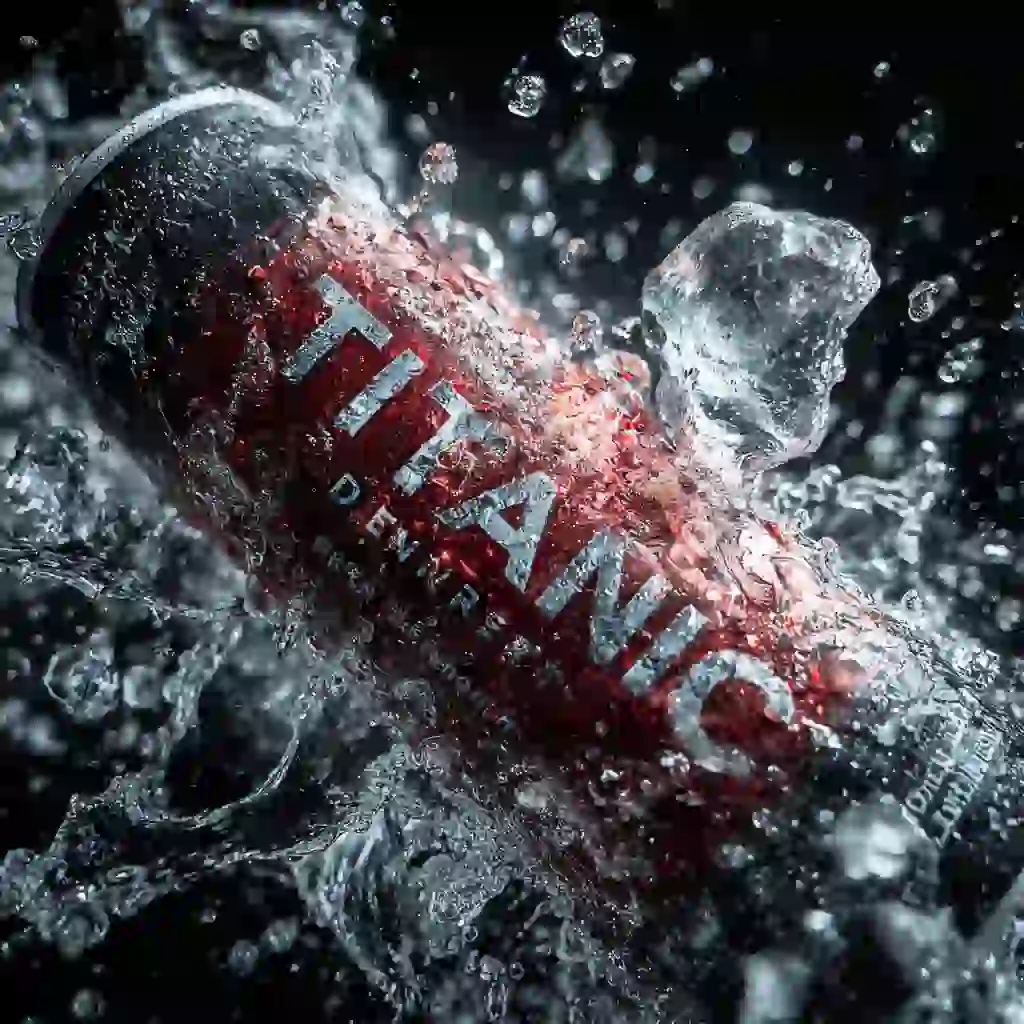
I first heard about Titanic Energy Drink on a chilly morning while waiting in line at my local market. A young man ahead of me was raving about how it gave him the “strongest jolt” he’d ever felt — stronger than coffee, stronger than the gym drinks, stronger than anything. Naturally, my ears perked up. As someone who’s spent years in the kitchen crafting soothing drinks and learning what helps the body feel balanced, I had to know what made this one so… titanic.
This article is for anyone curious — or concerned — about Titanic Energy Drink. Whether you’re an athlete looking for a boost, a student trying to stay focused, or just someone who’s stumbled upon this buzzed-about beverage on social media, you’re in the right place. Together, we’ll walk through what Titanic Energy Drink is, how it compares to other high-caffeine options, and whether it truly earns its reputation as the strongest energy drink out there.
We’ll also look at ingredients, possible side effects, and who should think twice before reaching for that can. And since I’ve made it my mission to replace harsh stimulants with kinder, more natural options, I’ll share some clean alternatives that work better — without sending your heart racing or leaving you crashing a few hours later. One of my favorite go-to options is this natural electrolyte drink recipe — a simple, hydrating mix that supports energy the gentle way.
Expect to uncover truths, myths, and honest experiences with energy drinks in general, including real questions like:
- What is the most unhealthiest energy drink?
- What’s actually the healthiest option out there?
- Was Titanic Energy really on Shark Tank?
And if you’re ready to move beyond energy drinks, I’ll also walk you through how I built a gentle daily routine that keeps me energized, focused, and grounded — all without the jolt. Let’s begin.
What Is Titanic Energy Drink?
A Bold Name, A Bigger Buzz
The name Titanic Energy Drink suggests something massive — and it certainly lives up to that. Marketed as one of the most powerful energy drinks out there, it’s made waves online for its intense effect. Some claim it delivers hours of alertness, while others say it left them feeling jittery or anxious. Either way, this drink isn’t your average pick-me-up.
From my kitchen to your cup, I’ve always been curious about what people put into their bodies — especially when it comes to fast energy. The Titanic Energy Drink is often loaded with caffeine, taurine, B-vitamins, and sometimes herbal stimulants. Its goal? To wake you up, keep you moving, and push past fatigue. But there’s a catch: not every body reacts the same.
Who Drinks Titanic and Why It’s Trending
The typical fan of Titanic Energy Drink is someone who wants results — fast. Athletes, gamers, shift workers, and tired students are all drawn in by the promise of immediate, lasting energy. And with bold branding and viral social media clips, it’s no wonder this drink has skyrocketed in popularity.
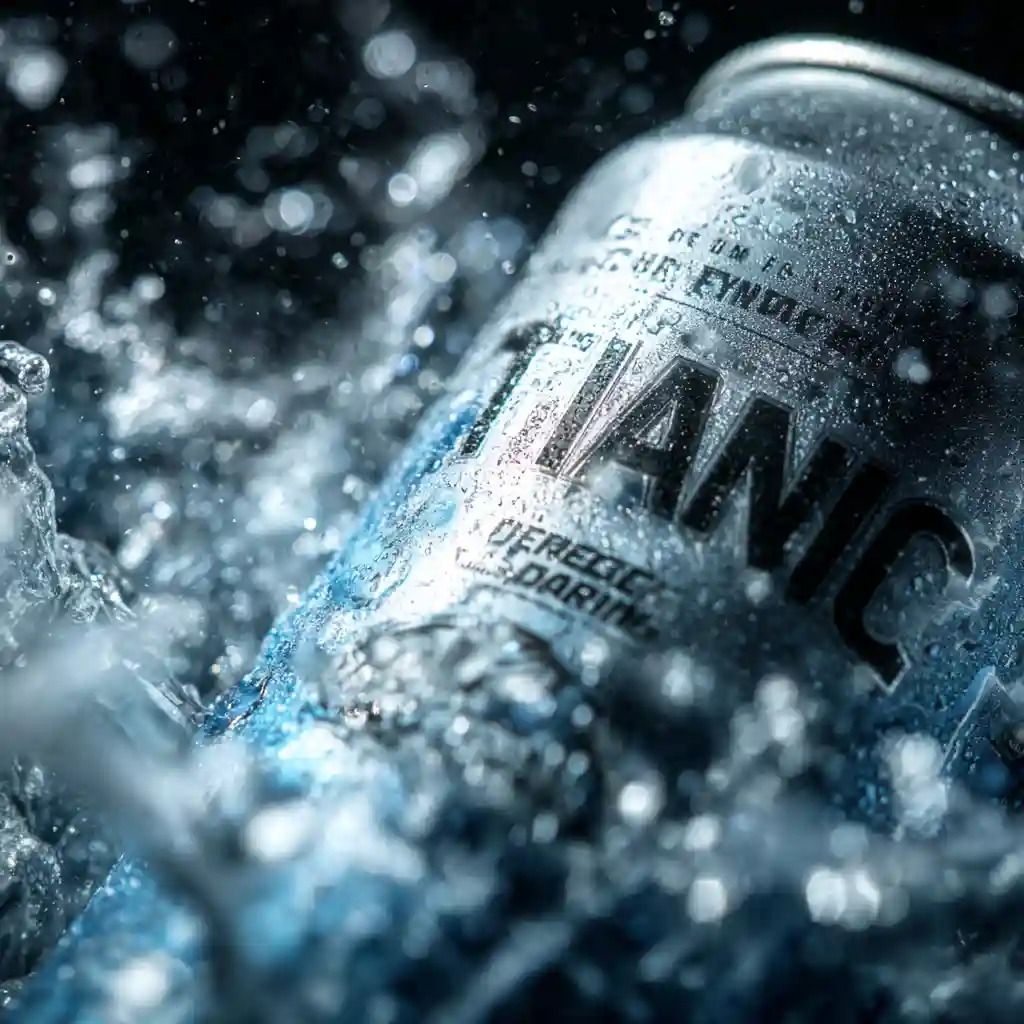
But popularity doesn’t equal safety. While some users feel like titans after a can, others report side effects like heart racing, nausea, and sleep disturbances. That’s why it’s important to look deeper — not just at what the label says, but how it really affects people.
In this article, we’re not just reviewing Titanic Energy Drink. We’re going to take a closer look at how it stacks up in today’s growing energy drink market and what alternatives might serve you better — especially if long-term health is your goal.
Is Titanic Energy Drink Safe or Not?
The Energy Boost We Want vs. the Risk We Don’t See
We’ve all had days where we reach for something quick to help us feel alive again — and for many, Titanic Energy Drink is that “quick fix.” But once the buzz wears off, what are we left with? More importantly, what is it doing to our health behind the scenes?
The safety of energy drinks like Titanic Energy Drink has become a growing concern for doctors, dietitians, and even parents. With high doses of caffeine (sometimes more than three cups of coffee in a single can), this kind of drink can push the body beyond its natural limits. That might sound appealing when you’re exhausted, but over time it can tax your heart, nervous system, and even your sleep patterns.
Titanic vs. Other High-Caffeine Beverages
To understand the potential risks of Titanic Energy Drink, it helps to compare it to other popular high-caffeine options. For example, Bang and Reign are known for their massive caffeine content — often between 300 to 350 mg per can. Early reviews and user reports suggest Titanic may land in a similar range, though the exact number varies by batch or label. That alone makes it a drink that should never be used casually or without caution.
What sets Titanic Energy Drink apart isn’t just the caffeine — it’s the intense mix of additives, stimulants, and sugar or artificial sweeteners that hit the body all at once. While this can cause a temporary spike in focus and energy, it’s often followed by a crash. Over time, this up-and-down pattern may wear you out more than help you stay energized.
As someone who’s spent years replacing synthetic drinks with natural blends, I always suggest taking a closer look at how your body feels after drinking one. Is it real energy — or a wired high that fades fast? With Titanic Energy Drink, that’s a question worth asking every time.
Hidden Ingredients and Label Truth
What’s Really Inside Titanic Energy Drink?
When I first picked up a can of Titanic Energy Drink, the label looked like most others — flashy fonts, bold claims, and a promise of endless energy. But what caught my attention wasn’t just the caffeine; it was the long list of hidden ingredients that most people don’t even notice.
Many versions of Titanic Energy Drink contain synthetic compounds like artificial sweeteners, food dyes, and preservatives. These additives may seem harmless at first glance, but they can affect how your body reacts over time. For example, some artificial sweeteners have been linked to digestive discomfort, while certain dyes have been questioned for their impact on focus and behavior.
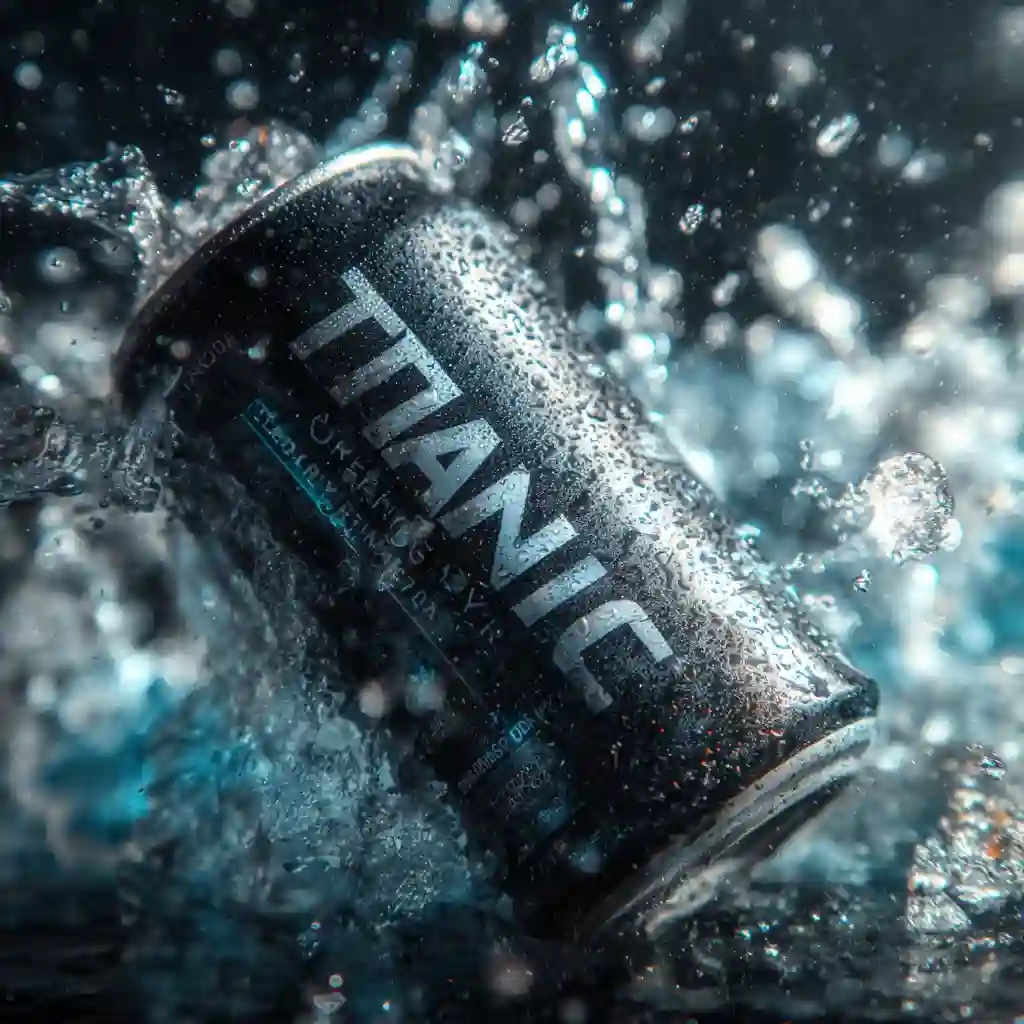
And then there’s the sugar. Some cans of Titanic Energy Drink are loaded with it, while others use sugar alcohols that may cause bloating or cramping. It’s a toss-up depending on which version you grab — and if you’re not reading labels carefully, you might not know what you’re drinking.
Sugar, Caffeine, and the “Energy Trap”
A closer look at the nutrition facts often reveals just how much caffeine Titanic Energy Drink is packing. In some cases, it exceeds 300 milligrams — well over the daily recommended limit for most adults. That alone can lead to jitteriness, increased heart rate, or sleep troubles, especially if consumed late in the day.
But the real concern is how these ingredients work together. A high dose of caffeine combined with sugar and synthetic stimulants doesn’t provide natural energy — it creates a spike. That spike often feels great for a short time, followed by a sudden crash that leaves you more tired than before. It’s a cycle I’ve personally experienced and one I try to avoid through mindful choices.
If you’ve ever wondered why you still feel sluggish after using energy drinks, the answer may be hiding in the fine print. When it comes to Titanic Energy Drink, knowing what’s behind the label is the first step to making a better decision.
Healthier Alternatives to Titanic Energy Drink
What Is the #1 Healthiest Energy Drink?
If Titanic Energy Drink is the heavyweight in terms of punch, then its healthier counterpart would be the gentle giant — steady, reliable, and kind to your body. In my personal routine, that top spot goes to homemade electrolyte blends or plant-based drinks with natural caffeine from green tea or yerba mate. These options may not deliver the same dramatic jolt as Titanic Energy Drink, but they offer something even better: sustainable focus without the crash.
Brands like Runa, Clean Cause, and Sound use ingredients like organic green tea, fruit essences, and adaptogens to provide a clean energy lift. They don’t rely on harsh stimulants or synthetic additives. Instead, they support your energy levels gradually — and that can be a refreshing change if you’re used to the extremes of drinks like Titanic Energy Drink.
What Works Better Than Titanic Without the Crash?
You don’t have to give up energy drinks altogether — but you do have to choose wisely. When I started transitioning away from high-octane beverages like Titanic Energy Drink, I leaned into drinks that felt like fuel rather than fire. I began blending lemon, sea salt, and a dash of honey into filtered water. It’s a recipe I still use on busy mornings when I need a gentle pick-me-up.
Another favorite is coconut water mixed with chia seeds. It hydrates deeply and keeps me feeling alert without overstimulating my nervous system. These choices have one thing in common: they work with your body, not against it.
If you’re feeling worn out but hesitant to grab another Titanic Energy Drink, that hesitation is worth listening to. Your body might be asking for something more balanced, more nourishing — and that’s where these alternatives can truly shine.
So next time you need a boost, consider mixing up your own drink or choosing a cleaner brand. Start small, listen to how you feel, and remember that not all energy needs to come in a flashy can.
Check out this naturally hydrating alternative that can support energy without the crash.
What Is the Most Unhealthiest Energy Drink?
Energy Drinks That Push the Limit
When we talk about the worst offenders in the energy drink world, we’re not just talking about sugar. We’re talking about dangerously high caffeine levels, artificial stimulants, and the kind of marketing that encourages people to ignore the warning signs. While Titanic Energy Drink isn’t the only name in this category, it does raise many of the same concerns as others that rank low on the health scale.
Drinks like Redline, Spike, and even some versions of Monster have faced criticism for causing side effects like heart palpitations, nausea, and anxiety. In extreme cases, people with underlying health issues have even been hospitalized after consuming too much caffeine at once. That’s why reviewing any product — especially one like Titanic Energy Drink — should always start with your own body’s response.
Where Titanic Energy Drink Fits in the Risk Scale
I’ve tried many energy drinks over the years (some out of curiosity, others out of necessity), and each one left me feeling something different. With Titanic Energy Drink, the effect was powerful, but also unpredictable. One day I felt wired; the next, I felt drained and irritable just a few hours later.
It’s that unpredictability that puts Titanic Energy Drink closer to the “unhealthiest” end of the spectrum — not because it’s toxic by design, but because it doesn’t work for everyone the same way. If a drink leaves you exhausted after the initial high or interrupts your sleep, that’s a sign it’s doing more harm than good.
The truth is, many people turn to strong drinks like Titanic Energy Drink when they’re desperate for energy — but often, what they really need is rest, hydration, or a change in lifestyle. In that way, the worst energy drink isn’t just what’s in the can, but how it tricks you into ignoring what your body really needs.
What Is the Strongest Energy Drink Ever?
Measuring Strength Beyond the Buzz
When people talk about the “strongest” energy drink ever made, they’re usually referring to caffeine — and a lot of it. Some drinks are designed to hit hard and fast, delivering a high dose of stimulation that can leave you shaky or restless. In this high-intensity category, Titanic Energy Drink has earned a spot among the most talked-about brands.
Early users have described it as “an instant bolt of energy,” while others caution that it’s easy to overdo. That makes Titanic Energy Drink comparable to extreme options like Redline, Hyde Power Potion, or Spike Shooter — drinks known for their massive caffeine load, sometimes pushing 350 to 400 milligrams per can.
Can Titanic Really Claim the Top Spot?
So, is Titanic Energy Drink truly the strongest? Technically, we don’t have an official caffeine ranking across all products, since formulations vary. But based on user reports and energy intensity, Titanic comes close. It’s not just about numbers — it’s about how the drink feels in your system. And with Titanic, that effect can be overwhelming if you’re not used to heavy stimulants.
What makes it even more intense is the stack of other ingredients. We’re talking about taurine, guarana, ginseng, and sometimes unknown “proprietary blends” that aren’t always fully explained. When mixed together, these can amplify the effects of caffeine, especially in sensitive individuals. In that sense, Titanic Energy Drink doesn’t just aim to be strong — it tries to be dominant.
Still, strongest doesn’t always mean best. From my experience, the hardest-hitting energy drinks are also the ones that leave you needing recovery afterward. It’s worth asking whether you need a tidal wave of stimulation or just a steady push from something lighter. If you’re considering trying Titanic Energy Drink, start slow — and listen to your body more than the label.
Was Titanic Energy Drink on Shark Tank?
The Buzz Behind the Brand
A few weeks ago, a neighbor asked me, “Hey, wasn’t Titanic Energy Drink on Shark Tank?” That question keeps coming up — and I can see why. The name sounds like something a clever entrepreneur would pitch: bold, memorable, and promising unstoppable energy. But here’s the truth — Titanic Energy Drink was not featured on Shark Tank, at least not in any official episode listings or confirmed brand appearances.
So, where did this rumor begin? Most likely from clever marketing or viral videos that mimicked the style of Shark Tank pitches. Some energy drink brands have made it to the show, like G.O.A.T. Fuel and SneakER, both of which sparked interest due to their unique formulations and branding. But Titanic Energy Drink remains outside that circle.
Why People Think It Was on TV
The reason Titanic Energy Drink gets associated with Shark Tank is because of how it’s been shared on social media. There are flashy videos, edited pitches, and even AI-generated mockups that make it look like the drink was endorsed by investors. It’s a smart move — but a misleading one.
That doesn’t mean Titanic Energy Drink isn’t popular. In fact, it’s gaining traction the way most viral products do: through word of mouth, online hype, and bold promises. But don’t let fake endorsements fool you. If a product really did appear on Shark Tank, it would be proudly stated on its packaging, website, or press materials — and for Titanic, none of those claims check out.
As someone who values transparency in health-related choices, I always urge people to double-check these kinds of claims. Just because a drink feels intense doesn’t mean it was ever backed by professional investors. And with Titanic Energy Drink, the strength comes from its formula — not from a television show.
So if you’ve heard the rumor, now you know. No, Titanic Energy Drink wasn’t on Shark Tank — but it certainly knows how to make people talk.
Traditional Energy Boosters That Actually Work
Time-Tested Ways to Feel Awake Without the Crash
Before the shelves were stacked with cans like Titanic Energy Drink, people turned to simple, natural methods to stay alert and energized. My grandmother used to sip warm lemon water with a pinch of salt before sunrise. She believed it “woke the blood.” As I’ve grown older, I’ve found comfort and focus not from a can, but from ingredients you can pronounce and understand.
Instead of leaning on Titanic Energy Drink, I began experimenting with herbal tonics and light smoothies — blends with ginger, mint, and matcha. These drinks may not hit you like a truck, but they provide steady, lasting support throughout the day. Matcha, in particular, contains L-theanine, which works with caffeine to provide calm alertness rather than spikes and crashes.
A Better Way to Reclaim Your Energy
One of the best shifts I made was swapping harsh energy drinks for homemade hydration. A simple mix of water, cucumber slices, and a dash of apple cider vinegar keeps me alert without making my heart race. These aren’t just gentle — they’re also deeply hydrating, which is something drinks like Titanic Energy Drink don’t always prioritize.
Sometimes, I’ll add a few soaked chia seeds or squeeze in fresh grapefruit juice. The fiber helps slow down absorption, giving me steady energy. It’s not flashy, but it works — and it never leaves me crashing hours later.
If you’re feeling drawn to alternatives but worry they won’t be “strong enough,” that’s a valid thought. But strength doesn’t always come from intensity. I’ve found more control, comfort, and wellness in quiet energy sources than I ever did in loud cans like Titanic Energy Drink. And your body may feel the same once it gets the chance.
Start small. Try one new natural drink a week. Take notes on how you feel. It’s a journey, but one that gives back in more ways than you’d expect.
How to Transition from Energy Drinks to Natural Energy
Making the Shift Gently and Successfully
Switching from something like Titanic Energy Drink to natural energy boosters doesn’t have to be dramatic. In fact, the more gradual your shift, the better your body adapts. When I first decided to cut back, I didn’t go cold turkey. I simply started by cutting my usual can in half and replacing the other half with a tall glass of lemon-infused water.
Over the course of a week, I reduced my dependence on drinks like Titanic Energy Drink by introducing light physical activity in the morning — even five minutes of stretching helped. I also began eating a small handful of soaked almonds before breakfast. These little adjustments helped my body wake up without needing that massive caffeine jolt.
Build a Better Routine Around Real Energy
If you’re someone who turns to Titanic Energy Drink out of habit, consider what you’re really craving: alertness, motivation, or just the ritual of having something in your hand? You can replace those patterns with new ones that work better in the long run.
Start your mornings with a drink that hydrates and fuels — maybe a coconut water and mint blend, or a warm cup of green tea with ginger. Try to get sunlight within the first hour of waking up. These habits support your natural circadian rhythm, helping you feel awake without stimulation overload.
Tracking your energy patterns also helps. Notice when you hit that slump — and instead of reaching for a Titanic Energy Drink, try a natural snack or quick movement. Even walking for five minutes or drinking a hydrating tonic can shift your mood.
Over time, your body begins to trust this new rhythm. The ups and downs smooth out. The best part? You begin to feel more balanced — not wired, not sluggish, just grounded. And that, to me, is real energy.
Frequently Asked Questions About Titanic Energy Drink
What is the most unhealthiest energy drink?
The unhealthiest energy drinks are typically the ones with extreme caffeine levels, artificial sweeteners, and zero transparency. Some versions of Redline, Spike Shooter, and certain “hardcore” energy brands have been flagged for causing rapid heart rate, anxiety, and digestive issues. While Titanic Energy Drink isn’t officially labeled the worst, it does raise eyebrows due to its intense formulation and unclear ingredient breakdown. If a drink causes a crash, mood swings, or insomnia, it’s worth questioning — and reconsidering.
What is the #1 healthiest energy drink?
In my experience, the healthiest options are the simplest. Look for drinks with natural caffeine sources like green tea or yerba mate, real fruit juice, and no synthetic additives. Brands like Runa or homemade electrolyte blends can give you energy without harming your body. Compared to products like Titanic Energy Drink, these choices are gentler, more transparent, and much easier on the stomach.
What is the strongest energy drink ever?
If we’re talking numbers, some drinks contain up to 400mg of caffeine per serving — enough to rival multiple cups of coffee. While Titanic Energy Drink ranks high among the strongest based on user reviews and reported effects, it’s not officially listed as the most caffeinated product. Still, many people describe its impact as overwhelming or excessive if they’re not used to it.
What energy drink was on Shark Tank?
Surprisingly, Titanic Energy Drink was not on Shark Tank. The confusion comes from viral posts or marketing stunts that mimic the show’s pitch style. Drinks like G.O.A.T. Fuel and SneakER made appearances, but Titanic hasn’t been part of that world. Always double-check such claims — if it were real, it would be proudly highlighted on the brand’s official page or packaging.
Conclusion: Is Titanic Energy Drink Worth It?
After spending time with Titanic Energy Drink — both in research and real-world testing — I’ve come to a clear conclusion: it’s a drink designed for extremes. If you’re chasing a fast, dramatic jolt of energy, it may deliver. But for those of us who value steady focus, emotional balance, and long-term health, it may not be the best companion.
There’s nothing wrong with wanting more energy. I’ve had my share of sluggish mornings and long afternoons, too. But what I’ve learned is that true energy comes from rhythm, rest, and respect for your body — not just from the contents of a can. And drinks like Titanic Energy Drink, while powerful, often pull more from your system than they give back.
Instead of relying on synthetic solutions, I encourage you to experiment with natural hydration, herbal teas, and wholesome snacks. Trust your body to adapt and guide you. As someone who has made that transition, I can promise the rewards are gentle, lasting, and real.
If you still choose to try Titanic Energy Drink, do so with care. Read the label. Listen to your heartbeat. Take notes on how you feel after. That mindfulness — not the caffeine — is what will truly keep you going.
For more natural energy alternatives, don’t miss our natural electrolyte drink recipe, or check out our full guide to zero-calorie drinks. You can also learn more about lemon balm’s calming benefits, or discover how this banana bread latte became a surprising favorite.
Let’s take better care of ourselves — one sip at a time.
Follow me on Facebook and Pinterest for more soothing drink rituals, gentle recipes, and honest wellness insights.