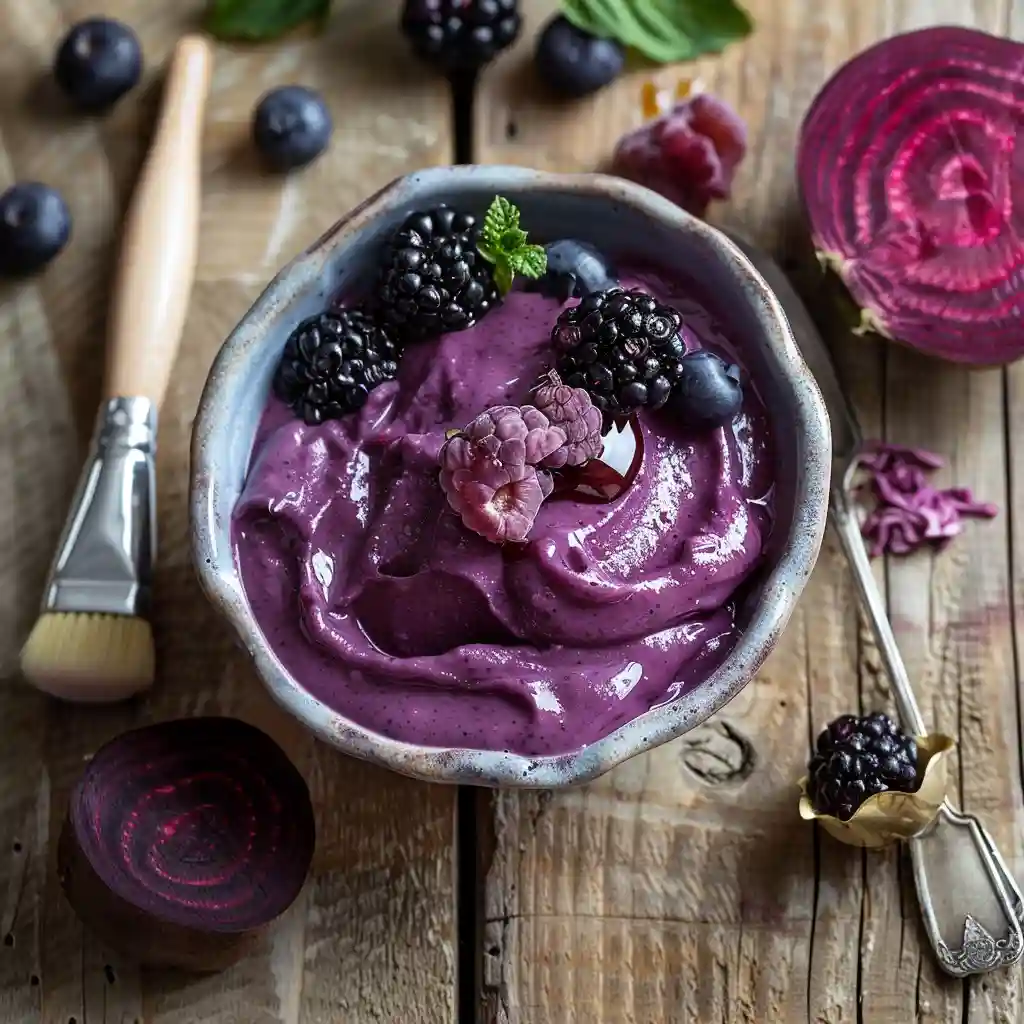
This purple peel recipe began as a quiet moment in my kitchen—a simple mix of berries, yogurt, and honey that turned into a soft ritual for restoring tired skin. It wasn’t something I found in a glossy magazine or trendy video. It was passed to me during a slow afternoon, while sipping warm cinnamon tea and chatting with an old friend about how she cares for her skin with what she grows in her garden.
Our purple peel recipe is made using deeply colored fruits rich in natural compounds—things that may gently brighten your skin and leave it feeling smoother, without harsh chemicals. Unlike store-bought peels that often sting or dry out the face, this one feels like a soft blessing, especially at the end of a long week. It’s calming, a bit creamy, and takes only a few minutes to prepare.
I’ll walk you through how to make this at home, share what I’ve learned from using it regularly, and include tips to avoid common mistakes. You’ll also learn a few gentle variations depending on your skin type and the season. This is not about dramatic transformations—it’s about small, consistent care, the kind that makes you feel connected to your body again.
Looking for inspiration? Try the natural zepbound recipe for weight loss if you’re also interested in simple, home-based wellness practices that support gentle cleansing from within.
Print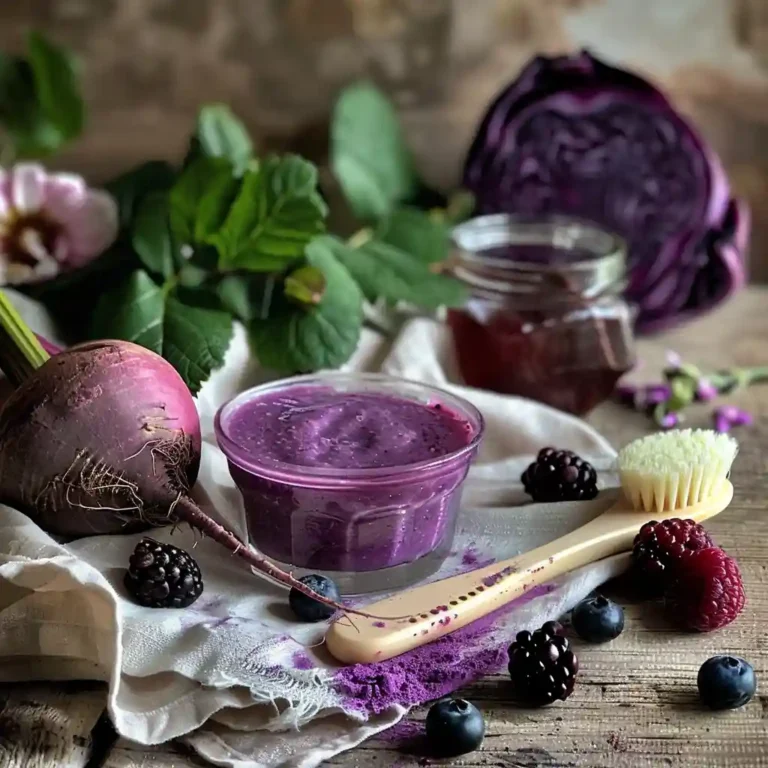
Purple Peel Recipe
A soothing, skin-brightening face mask made from berries, beets, and yogurt—this natural purple peel recipe brings glow and calm using ingredients from your kitchen.
- Total Time: 10 minutes
- Yield: 1 face mask 1x
Ingredients
- ¼ cup blueberries or blackberries (fresh or frozen)
- 1 tablespoon grated beetroot or purple cabbage juice
- 1 tablespoon plain yogurt or aloe vera gel
- ½ teaspoon raw honey
- Small mixing bowl
- Spoon
- Clean face brush or fingers for application
Instructions
- Mash the berries in a small bowl until juicy.
- Add grated beetroot or cabbage juice and mix.
- Stir in yogurt or aloe vera until smooth.
- Add raw honey and mix gently.
- Optional: Chill the mixture in the fridge for 10 minutes.
- Apply evenly to clean face, avoiding the eye area.
- Leave on for 10–15 minutes.
- Rinse gently with lukewarm water using a soft cloth.
- Pat face dry and moisturize if needed.
Notes
Always patch test before full application. Use fresh and store any extra in a sealed jar in the fridge for up to 2 days. Ideal for weekly use. Customize with honey for dry skin or lemon juice for oily skin.
- Prep Time: 10 minutes
- Cook Time: 0 minutes
- Category: Skincare
- Method: No-Cook
- Cuisine: Natural Beauty
Nutrition
- Serving Size: 1 face mask
- Calories: N/A
- Sugar: N/A
- Sodium: N/A
- Fat: N/A
- Saturated Fat: N/A
- Unsaturated Fat: N/A
- Trans Fat: N/A
- Carbohydrates: N/A
- Fiber: N/A
- Protein: N/A
- Cholesterol: N/A
Keywords: purple peel, natural skincare, homemade mask, berries, aloe, beetroot
What is a Purple Peel and Why People Swear By It?
What is the Purple Peel Recipe?
The purple peel recipe is a natural skincare blend made at home with richly colored ingredients like blueberries, blackberries, purple cabbage, or beetroot. Unlike store-bought masks filled with unfamiliar chemicals, the purple peel recipe comes straight from the kitchen—clean, nourishing, and simple. It’s mixed with natural binders like plain yogurt or aloe, which help the mask cling softly to your skin while offering a soothing effect.
This isn’t just a fun trend with a pretty color. The purple peel recipe is loved for how it may support clearer, brighter skin through gentle exfoliation and hydration. It’s not designed to “treat” skin issues but rather to give your face a rested, balanced glow. I’ve found that applying it weekly gives my skin a more even tone and makes me feel like I’ve stepped away from noise and stress—just for a while.
The Traditional Uses of Purple Peel Ingredients
From Middle Eastern beet masks to Slavic berry facials, ingredients in the purple peel recipe have deep roots in traditional beauty care. Long before modern peels and serums, women turned to these deep-colored foods to refresh the skin and support its natural renewal. Purple produce is known for its natural pigment, anthocyanin, which has been associated with skin-supportive properties in many folk remedies.
The purple peel recipe draws on this wisdom. It’s gentle enough for those who want to avoid harsh exfoliants, yet effective in delivering a touch of brightness. When mixed with calming ingredients like honey or aloe, the recipe can be adapted for different skin needs—dryness, dullness, or occasional uneven texture.
Origins and Cultural Notes Behind the Trend
The purple peel recipe didn’t come from a lab—it came from people like you and me, using what was in their homes. That’s what makes it powerful. It reflects care, resourcefulness, and the idea that we don’t need to spend a fortune to feel good in our skin. In Mediterranean regions, leftover berry mash from jams is often applied to the face. In India, purple cabbage juice has been used to help calm sensitive areas.
And today, more and more folks are bringing back these rituals—simple, natural, and rooted in tradition. I believe the popularity of the purple peel recipe speaks to a shared desire for wellness that’s accessible and kind. It’s not a miracle cure, but it is a beautiful moment of care you can give yourself at the end of a long day.
Check out the salt and ice trick recipe if you’re curious about other soothing routines that use kitchen ingredients in creative ways.
Ingredients in a Purple Peel Recipe and Their Gentle Effects
The Natural Components Behind the Purple Color
What gives the purple peel recipe its rich, deep hue? It’s all in the ingredients. Purple-colored fruits and vegetables like blueberries, blackberries, red grapes, beetroot, and purple cabbage are the core of this blend. Each of these ingredients is packed with natural compounds that may help support the skin’s brightness and texture. Their deep pigments aren’t just beautiful—they’re also traditionally used for their skin-soothing properties.
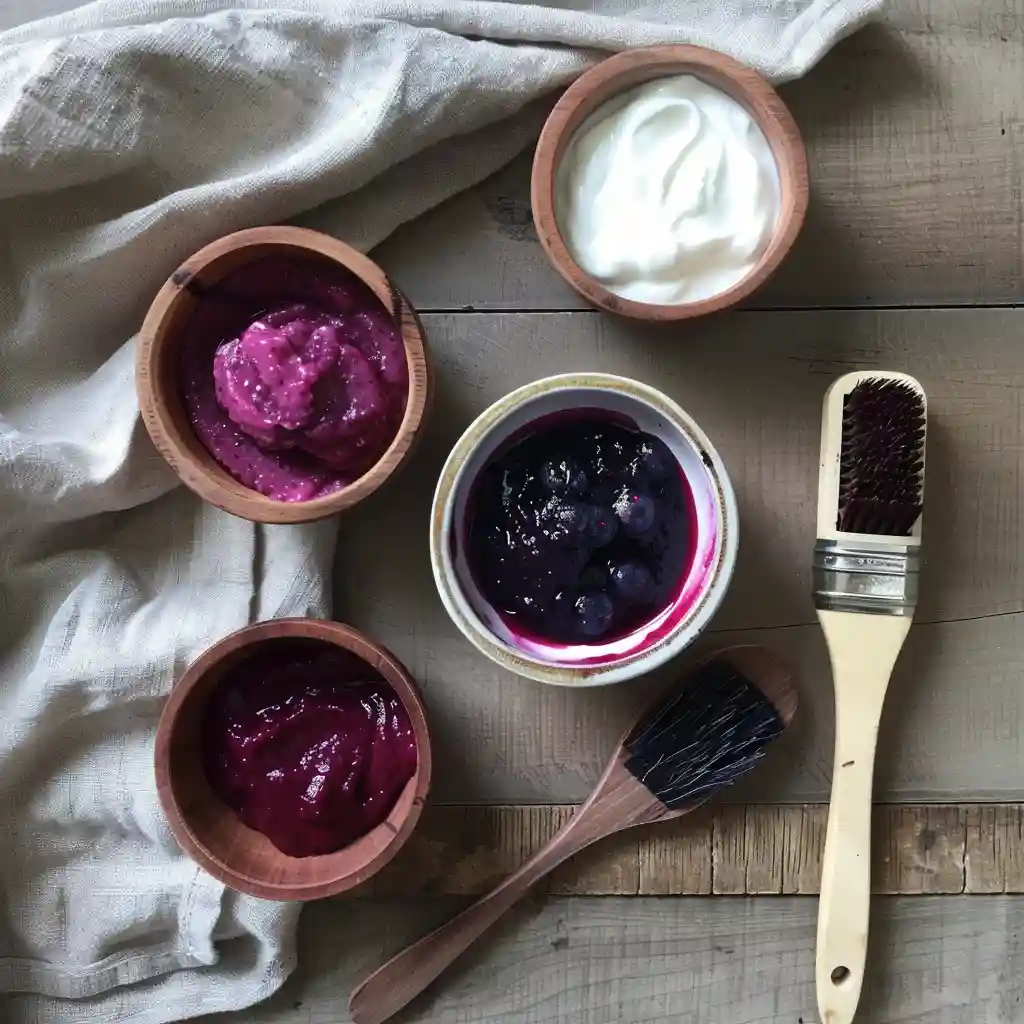
When I prepare a purple peel recipe, I often reach for ripe berries. Their natural fruit acids help slough off dead skin cells, while their juices deliver a refreshing tingle. Beetroot, when grated or juiced, adds earthiness and extra pigment, perfect for a more vivid color. Purple cabbage, surprisingly, is incredibly gentle and adds body to the mask without making it harsh. Each time I make a batch, I adjust it slightly depending on what’s in season or what my skin needs.
Benefits of Purple Fruits and Veggies for Skin
Each ingredient in the purple peel recipe plays a soft but important role. Blueberries are known in traditional beauty routines for their antioxidant content. They may help protect your skin from daily stressors like sun or wind. Blackberries offer similar comfort and are often used in folk remedies to balance oily patches on the skin.
Red grapes and beetroot have been associated with clearer, brighter complexions. Their juice gives the purple peel recipe a juicy, luxurious texture. Meanwhile, purple cabbage—often overlooked—offers a gentle exfoliating effect while feeling cool and calm on the face. These ingredients are not magic, but they remind me that we can care for our skin using foods we already trust.
A purple peel recipe is more than just a mask. It’s a reminder that wellness doesn’t need to be bottled and sold at a high price. With the right fruits, a quiet space, and five minutes of time, you can care for your skin in a way that feels both honest and healing.
How Each Ingredient May Support Skin Renewal
When blended into a soft paste or light gel, the ingredients in a purple peel recipe may support mild exfoliation and hydration. Yogurt or aloe vera can be added to create a smoother consistency while delivering moisture. These additions help the peel glide over the skin without tugging or irritation.
I’ve found that using the purple peel recipe once a week gives my skin a renewed glow—subtle, but real. After rinsing, my face feels softer and less dull. It’s not about stripping the skin, but rather giving it something nourishing.
Don’t miss our pink salt trick recipe for weight loss—another kitchen-based ritual that blends traditional knowledge with simple ingredients you likely already have at home.
My Personal Story: Discovering the Purple Peel Ritual
How I Found This Peel on a Rainy Day in Morocco
I first stumbled upon the purple peel recipe while visiting an old friend in Morocco. We were sheltering from a rainstorm under her vine-covered porch, sipping warm rose tea, when she handed me a bowl filled with mashed berries and purple cabbage. “For your skin,” she smiled. I remember the scent—sweet, earthy, and comforting. That day, I applied the mixture to my face, unsure of what to expect. The feeling was cool and calming. My skin drank it in.
That simple experience was the beginning of my purple peel ritual. It wasn’t sold in a jar or found on a beauty aisle shelf. It was shared from one woman to another—kindly and without fuss. I later asked her what she called it, and she shrugged, saying, “It’s just food for the face.” But to me, it became the purple peel recipe—something more than a mixture, something that brought care without cost.
Why I Started Using It Once a Week
Back home, I tried to recreate that purple peel recipe from memory. I mashed blueberries and grated beetroot, then folded in plain yogurt and a touch of honey. It wasn’t exact, but it worked. My skin felt smooth, and over time, a quiet brightness returned to my cheeks. I wasn’t looking for a miracle, just something soothing that fit into my rhythm.
Since then, I’ve made it a weekly ritual—usually on Sunday evenings. It’s my way of closing the week gently. The purple peel recipe helps me pause, slow down, and tend to myself in a way that feels both nourishing and natural. No harsh tingles, no peeling layers—just a soft mask, a warm cloth, and peace.
What I Noticed After a Month
After about four weeks of using the purple peel recipe, my skin began to feel more even in tone. The dry patches I used to struggle with started fading. I can’t promise the same for everyone, of course. We all have different skin, and results vary. But for me, the consistency of the ritual made a difference. I stopped chasing fancy products and started trusting my own hands again.
I realized that the purple peel recipe wasn’t about chasing beauty—it was about caring for myself with things I already had. That made it special. That made it mine.
Looking for inspiration? Try the banana bread latte ritual—a cozy, calming drink that pairs perfectly with quiet evenings and simple skin care moments.
How to Make a Purple Peel Recipe at Home (Step-by-Step)
What You’ll Need: Tools and Ingredients
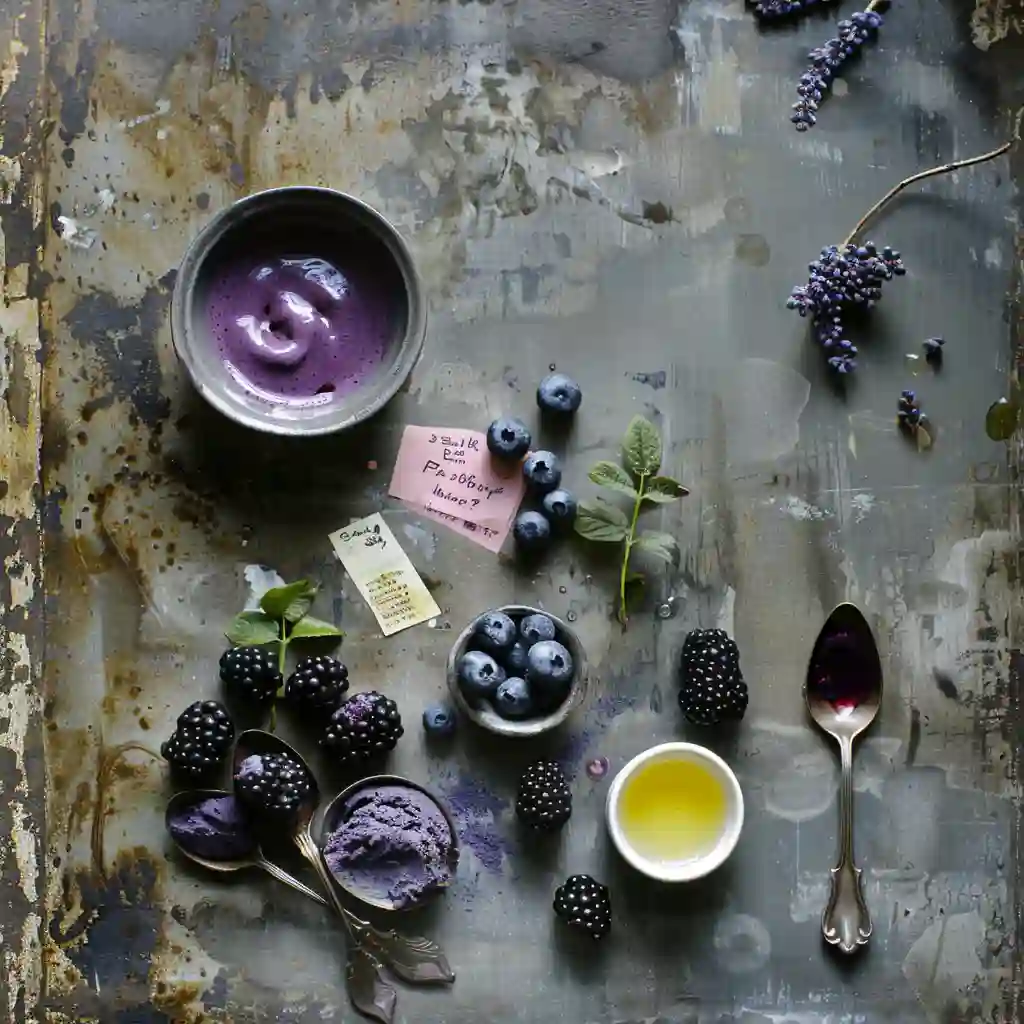
Creating your own purple peel recipe is simple, calming, and only takes a few ingredients. I like to keep things natural and affordable, using items already in my kitchen. Here’s what I usually gather:
- ¼ cup blueberries or blackberries (fresh or frozen)
- 1 tablespoon grated beetroot or purple cabbage juice
- 1 tablespoon plain yogurt or aloe vera gel
- ½ teaspoon raw honey
- Small mixing bowl and spoon
- Clean face brush or fingers for application
These ingredients blend into a soft paste that glides easily onto your skin. Each one brings a different benefit to the purple peel recipe—berries for antioxidants, yogurt for light exfoliation, and honey for moisture and calm.
Mixing the Purple Peel: A Simple Process
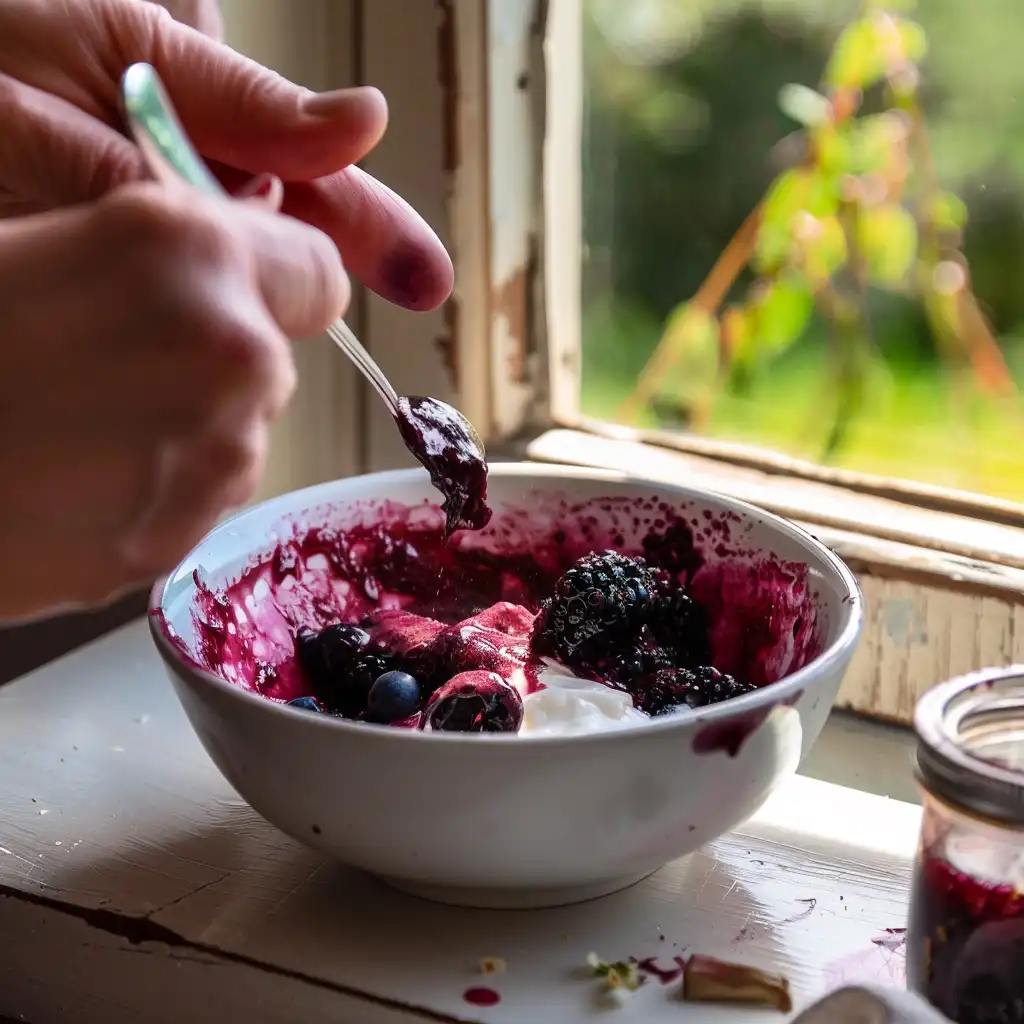
To prepare the purple peel recipe, mash the berries in your bowl until they release their rich juice. Add the beet or cabbage juice, then stir in the yogurt or aloe. Finish with honey, mixing gently until the texture becomes smooth but spreadable. You can chill it in the fridge for 10 minutes before using—it feels even more refreshing this way.
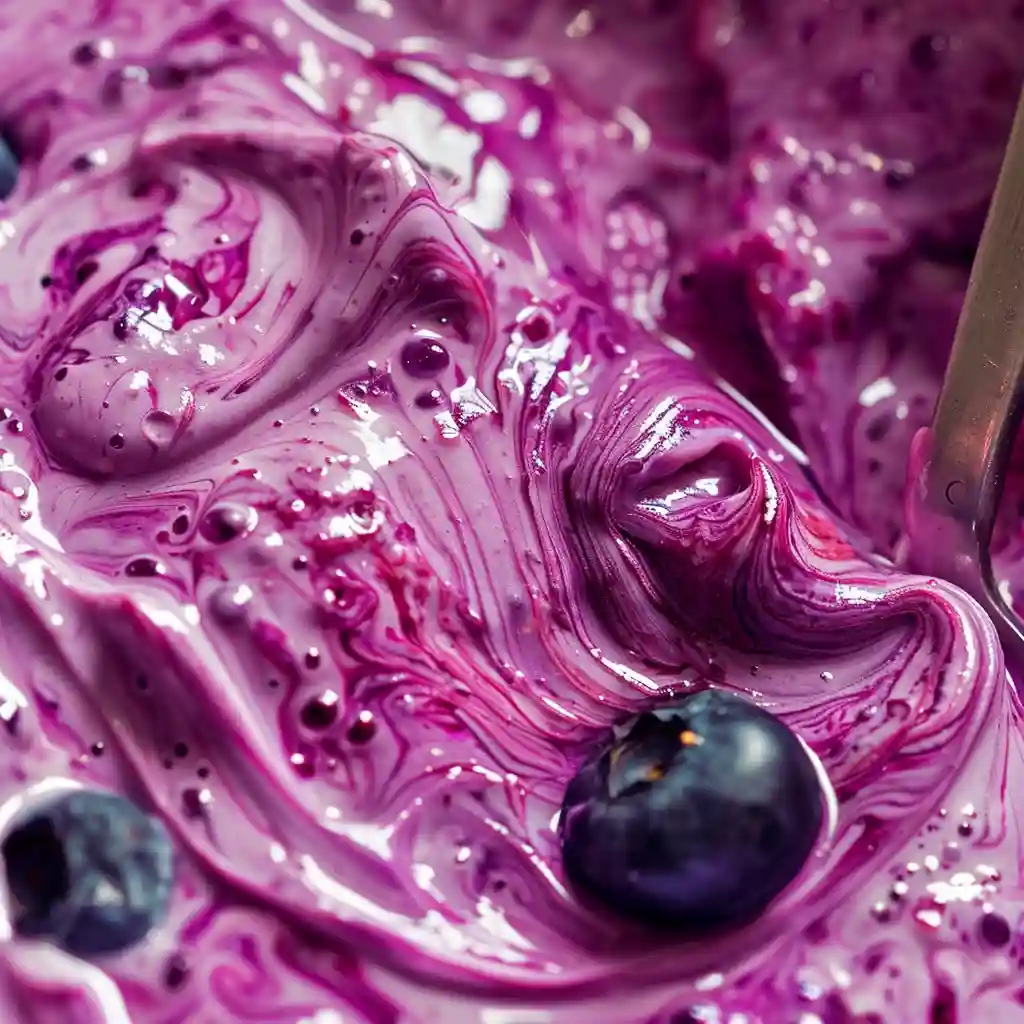
Apply the mixture evenly to clean skin, avoiding the eye area. Let it sit for 10–15 minutes while you breathe, stretch, or sip something warm. Then rinse gently with lukewarm water using a soft cloth.
This purple peel recipe is best used fresh, though you can store it for up to two days in a sealed glass jar in the fridge. I recommend making it in small batches—part of its charm is in the freshness.
Tips for Freshness and Skin Safety
Always patch-test a new batch on a small area like your wrist before applying it to your face. While the purple peel recipe uses natural ingredients, everyone’s skin is different. Avoid using the peel on broken or irritated skin.
If you feel a tingling sensation, that’s usually from the fruit acids, but if it burns or itches, wash it off right away. Keep your peel time short the first time you try it. Start with 5 minutes, then build up to 10 or 15 as your skin adjusts.
Don’t miss our bariatric seed ritual recipe for another natural self-care ritual that supports body balance in a grounded, nourishing way.
How to Use the Purple Peel Safely and Effectively
How Often to Apply the Purple Peel
When I first began using the purple peel recipe, I applied it once every week. That felt like just the right amount to refresh my skin without overwhelming it. Natural peels, even gentle ones, still have an effect. Overuse can lead to sensitivity, so I suggest starting slow. Once a week is often enough for most skin types. If your skin is especially dry or delicate, you might prefer every 10 days.
The beauty of the purple peel recipe is that it’s mild yet nurturing. Unlike chemical exfoliants that strip the skin, this blend offers a soft resurfacing experience. The fruit acids in berries and the calming touch of yogurt work together to create balance. For me, it became more than skincare—it became a routine that reminded me to pause and care for myself with intention.
Things to Do Before and After Application
Before applying your purple peel recipe, always cleanse your face gently. Avoid using scrubs or foaming cleansers on the same day, as they may irritate the skin. After removing the peel, rinse thoroughly with lukewarm water and pat your skin dry using a clean towel. Your skin might look slightly flushed afterward, which is normal, but it should feel smooth and hydrated.
I follow up with a basic rose water mist or a few drops of jojoba oil to seal in moisture. You don’t need fancy products. The goal is to let your skin breathe and benefit from the nutrients in your homemade purple peel recipe.
Storage and Shelf Life Tips for Fresh Batches
Since the purple peel recipe is made with fresh ingredients, it doesn’t keep long. I always recommend making just enough for one or two uses. If you do store it, keep it in a glass jar in the refrigerator, tightly sealed, and use it within 48 hours. After that, the mixture can start to spoil or lose its potency.
Watch for any color or smell changes. If the peel starts to turn brown or smells off, toss it and make a fresh batch. Clean, fresh preparation is key to getting the most out of your purple peel recipe.
Check out the ice water hack recipe—a wonderful way to refresh tired skin, especially after using a natural mask like this one.
Best Times to Use a Purple Peel for Natural Glow
Seasonal Timing: When It Feels Most Soothing
From my experience, the purple peel recipe feels especially comforting in the spring and fall. These transitional seasons often leave my skin feeling dry or a little uneven. Using the purple peel recipe during these times helps refresh and restore balance without overwhelming my skin. In warmer months, I use more berries for a cooling touch. During cooler months, I add a bit of honey or aloe to give it extra moisture.
Nature teaches us when to rest and when to awaken. This recipe mirrors that rhythm. I believe that aligning your self-care rituals with the seasons deepens their impact. The gentle exfoliation of the purple peel recipe fits beautifully into this natural cycle.
Morning vs. Night Use: What I Prefer
While you can apply the purple peel recipe at any time, I’ve come to love using it in the early evening. After a long day, it’s the perfect wind-down ritual. I wash my face, light a candle, and apply the peel while listening to soft music or making tea. My skin seems to soak in the goodness more deeply in those quiet moments.
Some friends prefer morning use, especially before special events, since the peel can bring out a soft glow. Just remember to apply sunscreen if you’re heading outdoors. The purple peel recipe may leave your skin more sensitive to sunlight immediately after use, even though it’s gentle.
Pairing with Gentle Rituals Like Steam or Herbal Rinses
One of the best ways to boost the effect of the purple peel recipe is by pairing it with a facial steam or herbal rinse. A short steam session with chamomile or rose petals opens pores, allowing the nutrients from the peel to absorb more fully. After the peel, a splash of cooled herbal water feels soothing and grounding.
This kind of layering—steam, peel, rinse—feels like a gift to my skin. It turns a five-minute routine into a full ritual. And the beauty of it is that everything used is simple, familiar, and close to nature. That’s the spirit behind the purple peel recipe: everyday ingredients, elevated through intention and care.
Discover great ideas like our natural zepbound recipe if you’re looking to build a full routine rooted in natural self-care and balance.
Purple Peel Recipe Variations You Can Try
Adding Honey or Aloe for Extra Calmness
Sometimes, I like to soften the purple peel recipe even more, especially when my skin feels stressed or dry. On those days, I mix in a teaspoon of raw honey or a spoonful of fresh aloe vera gel. Honey is something my grandmother always used—its calming touch still amazes me. Aloe, on the other hand, feels like nature’s cooling balm.
Both of these ingredients blend smoothly into the purple peel recipe and give it a creamy texture. If your skin tends to be sensitive or you’ve just spent time in the sun, this variation may feel especially soothing. It doesn’t take away the gentle exfoliation, but it adds a layer of moisture that makes the experience more comforting.
Swapping Ingredients Based on Skin Type
One of the best things about the purple peel recipe is how flexible it is. For oily skin, I often swap out yogurt for a bit of lemon juice and cucumber mash. These ingredients feel light and refreshing, and they may help balance oil without stripping the skin.
For dry or mature skin, mashed avocado or a splash of almond milk can be a beautiful addition. These help keep the skin supple while delivering extra nourishment. I always remind friends to keep the base simple and clean—don’t overload the purple peel recipe. A few trusted ingredients go a long way.
Creating a Peel for Hands, Neck, and Shoulders
Your face isn’t the only place that can benefit from the purple peel recipe. I’ve started using it on my hands and shoulders, especially during colder months when my skin feels dull. The soft stain of beetroot and berries adds a light, rosy tint, while the blend itself helps smooth rough patches.
Apply the mixture to these areas once a week, just as you would your face. Let it rest for 10–15 minutes, then rinse with warm water. I usually follow it with a bit of almond oil to lock in moisture. This version of the purple peel recipe helps bring life back to forgotten spots, giving you a fuller self-care experience.
Check out the blue salt trick for men—another creative use of natural ingredients for those looking to care for skin beyond the face.
Common Mistakes to Avoid with DIY Purple Peels
Using Too Much Acid or Harsh Add-ins
When I first began experimenting with the purple peel recipe, I made the mistake of adding too much lemon juice. I thought more acid would give me faster results. Instead, my skin turned red and stayed irritated for days. That taught me something valuable—natural doesn’t always mean gentle unless it’s balanced.
The purple peel recipe works because it’s soft and steady. Overloading it with citrus or vinegar can tip that balance and lead to breakouts or dryness. Stick to small amounts and always test new combinations on a small patch of skin first. Trust the slow magic of simple ingredients.
Leaving It On Too Long
Another common mistake is leaving the purple peel recipe on the skin for too long. I’ve been tempted to let it sit for 30 minutes, especially on days when I felt like my skin needed “extra help.” But more time doesn’t mean better results. In fact, anything beyond 15 minutes can start to dry out the skin or cause irritation.
Ten to fifteen minutes is ideal. It gives the fruit acids just enough time to work their gentle touch. After that, rinse well and follow with something hydrating. Let the purple peel recipe be a short and sweet ritual, not a marathon.
Ignoring Patch Testing or Reaction Signs
Because it’s made with natural ingredients, the purple peel recipe might seem harmless—but skin sensitivity varies. Always perform a patch test before trying a new batch or a new ingredient. A spot behind the ear or on the inside of your arm works well. If there’s no reaction after 24 hours, it’s likely safe for your face.
Also, listen to your skin. If it feels tight, itchy, or inflamed after applying the peel, wash it off immediately. I’ve learned over time that the purple peel recipe should never feel uncomfortable—it should feel nourishing, like a whisper to your skin, not a shout.
Looking for inspiration? Try the natural zepbound recipe for weight loss for another gentle, food-based ritual that respects your body’s natural rhythms.
Who Should Avoid the Purple Peel?
Skin Types That May React Differently
Although the purple peel recipe is made from gentle, natural ingredients, it isn’t right for everyone. Some skin types—especially ultra-sensitive or allergy-prone—may react even to berries or natural acids. If you’ve experienced redness, rashes, or flare-ups from fruit-based products in the past, it’s best to approach this recipe with caution.
The yogurt or beetroot in the purple peel recipe might trigger sensitivity in those with conditions like rosacea or eczema. Even small reactions can cause long-term irritation if repeated weekly. I always suggest starting with a diluted version—less fruit, more soothing elements like aloe—and seeing how your skin responds.
When to Talk to a Skin Expert First
Before using any new skin recipe, especially if you’re dealing with active acne, medication, or chronic skin issues, it’s wise to talk to a dermatologist. Although the purple peel recipe is free from synthetic ingredients, its natural fruit acids still carry exfoliating properties. For some, that gentle tingle might turn into redness or peeling.
If you’re undergoing treatments like chemical peels or using prescription creams, the purple peel recipe may conflict with those routines. Your skin deserves care, not confusion. Check in with a professional if you’re unsure. I once made the mistake of mixing too many remedies at once—my skin didn’t thank me for it.
Respecting Your Body’s Unique Response
Just because something is natural doesn’t mean it’s universally safe. Every body, every face, every skin layer is different. The purple peel recipe is a kind, nourishing option for many—but not for all. If it doesn’t feel good, don’t force it. Self-care isn’t about trends or expectations; it’s about listening closely.
If you’re someone who’s new to DIY skincare, take your time. Introduce the purple peel recipe slowly. Apply it once, then wait a full week before the next use. Give your skin space to speak back.
Don’t miss our honey recipe for brain fog if you’re exploring soothing, holistic recipes for body and mind wellness.
FAQs: Purple Peel Recipe Questions Answered
Can I use the purple peel recipe if I have sensitive skin?
You can, but with care. The purple peel recipe contains natural fruit acids that may cause a slight tingle. For sensitive skin, I recommend using fewer berries and adding more aloe or yogurt. Always do a patch test first. If your skin feels calm after 24 hours, it’s likely safe to use.
Looking for inspiration? Try our honey and cinnamon recipe for memory—another gentle blend rooted in nature’s sweetness and calm.
Conclusion: A Simple Ritual, A Gentle Result
The purple peel recipe isn’t just a skincare blend—it’s a small act of kindness to yourself. In a world filled with complex routines and synthetic products, it offers a return to simplicity. With just a few natural ingredients, you can create something nourishing, soothing, and beautifully effective.
Over the months, this purple peel recipe has become part of my weekly rhythm. It’s not just about soft skin, but about slowing down, using what’s already in the kitchen, and honoring the skin I’m in. Whether you’re trying it for the first time or returning to a natural routine, I hope this gentle ritual brings you as much comfort as it has brought me.
As always, this recipe is shared for informational purposes and is not a substitute for medical advice. Please listen to your skin, use fresh ingredients, and consult a professional if you have concerns or sensitivities.
Follow me on Facebook for calming daily rituals and gentle tips: facebook.com/profile.php
See more calming rituals on Pinterest: pinterest.com/heartlyrecipes