Our mediterranean diet recipes are built around simple foods, fresh ingredients, and balanced meals that feel both comforting and nourishing. If you’ve ever wondered how people in coastal regions stay active and energized well into older age, much of the answer lies in how they eat every day. The Mediterranean way of eating isn’t about strict rules or trendy fads. Instead, it focuses on vegetables, fruits, whole grains, olive oil, legumes, nuts, seafood, and modest portions of dairy and lean proteins.
In this guide, I’ll walk you through what mediterranean diet recipe really look like in everyday life. You’ll learn what typical meals include, what to eat for breakfast on a Mediterranean pattern, and how to plan simple lunches and dinners for busy weeks. In addition, we’ll talk about special considerations such as whether this eating style may support people managing lupus and what the Mediterranean diet for IVF generally means in nutrition discussions.
This article is for anyone who wants practical meal ideas, from beginners just starting a healthy eating journey to families looking for balanced weeknight dinners. It’s also helpful for those interested in heart-healthy meals, anti-inflammatory foods, and fertility-friendly nutrition patterns. Throughout this guide, you’ll find clear examples, easy-to-follow tips, and realistic ways to bring mediterranean diet recipes into your own kitchen.
By the end, you’ll understand the core ingredients, see real meal examples, discover breakfast options, and feel confident creating your own Mediterranean meal plan at home. Let’s begin with what this eating pattern truly means and why it continues to be one of the most trusted healthy lifestyle approaches today.
What Are Mediterranean Diet Recipes and Why Are They So Popular?
Mediterranean diet recipes are simple, balanced meals inspired by traditional eating patterns from countries like Greece, Italy, and Spain. At their core, mediterranean diet recipes focus on whole foods such as vegetables, fruits, beans, whole grains, olive oil, fish, and nuts. Unlike restrictive plans, mediterranean diet recipe encourage variety and enjoyment, which makes them easier to follow long term.
So why are mediterranean diet recipes so popular? First, they are flexible. You don’t need special powders or expensive products. Instead, mediterranean diet recipes rely on everyday ingredients you can find at any grocery store. Because of that, families, seniors, and even beginners in the kitchen can prepare mediterranean diet recipes without stress.
In addition, many people choose mediterranean diet recipe because they are often linked with heart-conscious eating. Olive oil replaces butter, herbs replace heavy sauces, and vegetables take center stage. As a result, mediterranean diet recipes naturally reduce heavily processed foods while still keeping meals flavorful and satisfying.
Another reason mediterranean diet recipe continue to grow in popularity is their lifestyle focus. This way of eating encourages home cooking, shared meals, and mindful portions. Rather than counting every calorie, mediterranean diet recipe promote balance. Over time, this steady approach feels realistic and sustainable.
If you’re looking for meals that are colorful, filling, and practical, mediterranean diet recipes offer a clear path forward. And as we move ahead, you’ll see exactly what ingredients make mediterranean diet recipe both healthy and easy to cook.
Core Ingredients Used in Mediterranean Diet Recipes
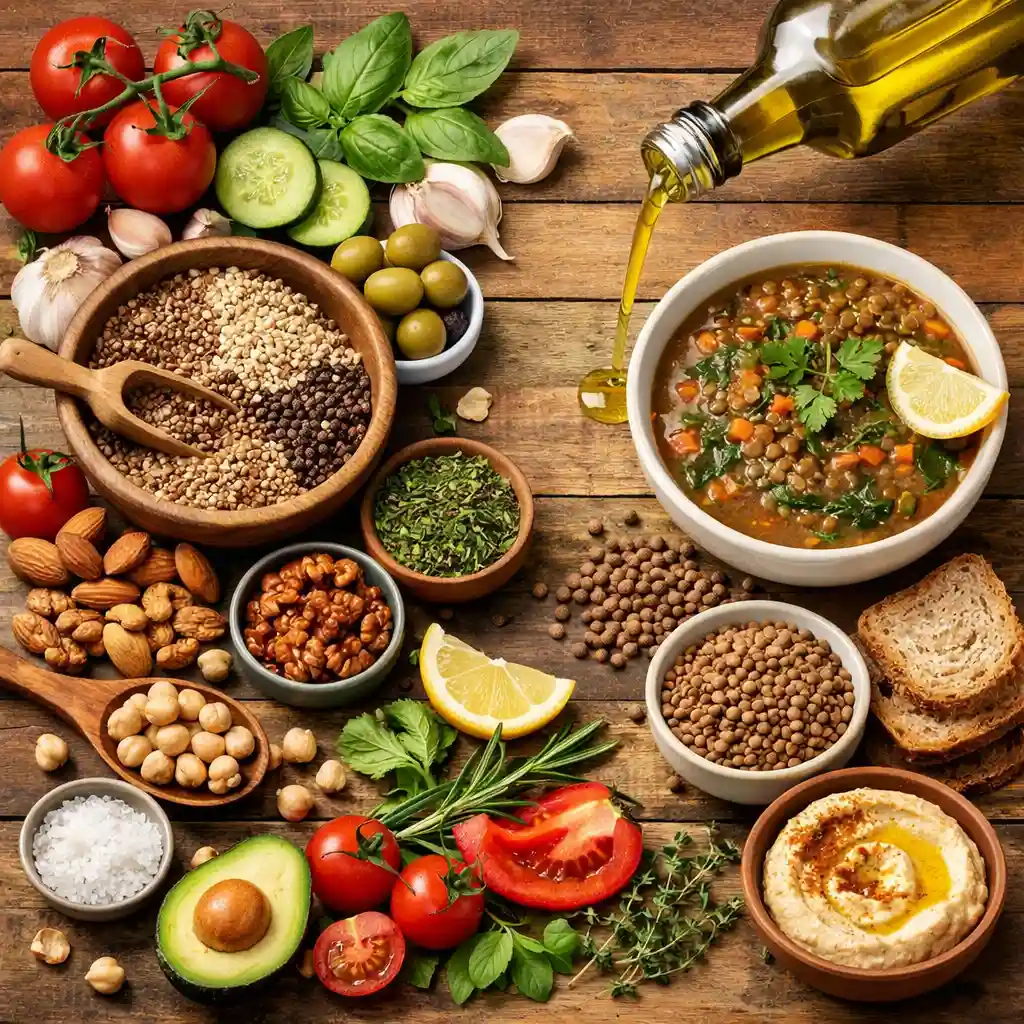
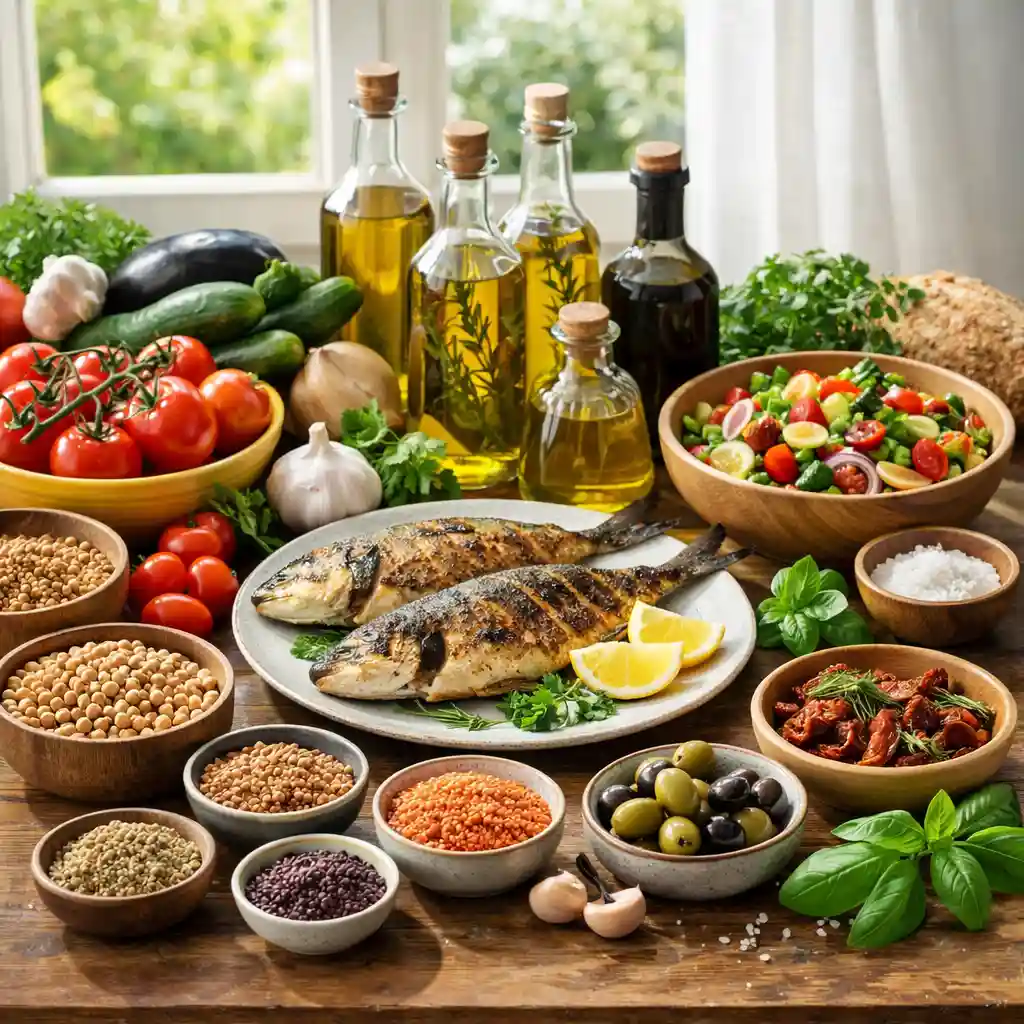
When you look closely at mediterranean diet recipes, you’ll notice they all start with real, whole ingredients. Fresh vegetables sit at the center of most plates, while fruits often serve as a light dessert or snack. Because mediterranean diet recipe rely on seasonal produce, meals naturally feel colorful and varied throughout the year.
Vegetables such as tomatoes, zucchini, spinach, eggplant, cucumbers, and leafy greens appear again and again in mediterranean diet recipes. These plant foods are typically roasted, grilled, or lightly sautéed in olive oil. At the same time, whole grains like farro, brown rice, quinoa, and whole wheat pasta provide steady energy and help make mediterranean diet recipes filling without feeling heavy.
Another key part of mediterranean diet recipe is healthy fat, especially extra virgin olive oil. Instead of butter or processed spreads, olive oil adds richness and flavor. In many traditional mediterranean diet recipes, a simple drizzle of olive oil, lemon juice, and herbs is all you need to bring a dish together.
Legumes also play an important role. Chickpeas, lentils, and white beans are often used in soups, salads, and stews. Because of that, mediterranean diet recipe naturally include plant-based protein several times a week. Fish like salmon, sardines, and tuna are common as well, while poultry and eggs appear in moderate portions.
Nuts and seeds, including almonds and walnuts, are frequently added to salads or yogurt bowls. Meanwhile, Greek yogurt and small amounts of cheese round out many mediterranean diet recipes without overpowering the plate. Altogether, these ingredients create meals that feel balanced, satisfying, and practical for daily life.
What Are Examples of Mediterranean Diet Meals?
When people first look into mediterranean diet recipes, they often ask what a typical day of meals actually looks like. The good news is that mediterranean diet recipe are practical and easy to picture on your own table. For lunch, you might enjoy a large salad filled with mixed greens, cherry tomatoes, cucumbers, olives, chickpeas, and grilled chicken, all topped with olive oil and lemon.
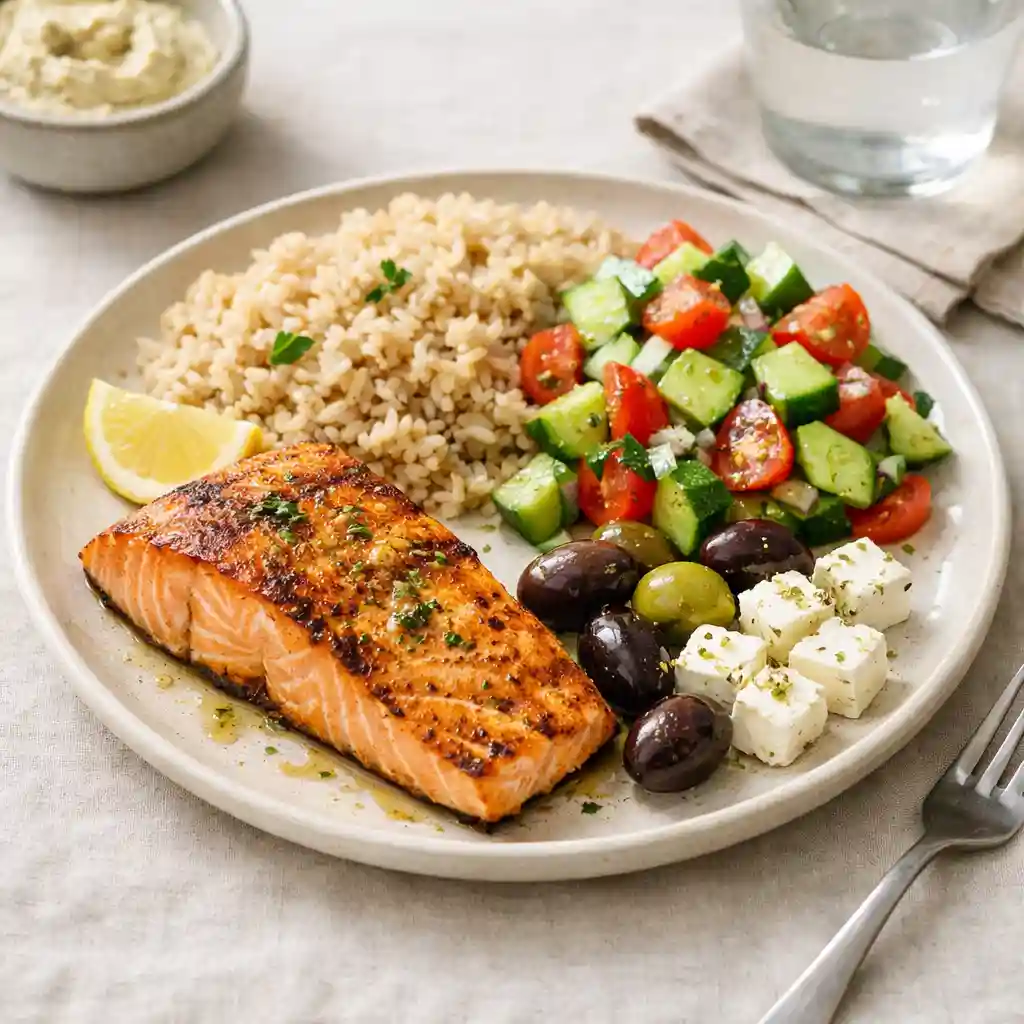
For dinner, mediterranean diet recipes often feature baked salmon with herbs, served alongside roasted vegetables and a scoop of quinoa or brown rice. Because mediterranean diet recipe focus on balance, the plate usually includes vegetables, a whole grain, and a source of lean protein. This structure makes meals satisfying without feeling too heavy.
Another popular option in mediterranean diet recipes is whole wheat pasta tossed with tomatoes, garlic, spinach, and a sprinkle of feta cheese. Meanwhile, lentil soup with carrots, celery, and onions is another classic dish that fits beautifully into mediterranean diet recipe. These meals rely on simple cooking methods and pantry staples.
Even quick weeknight dinners can follow mediterranean diet recipes. For example, grilled shrimp with a cucumber and yogurt sauce, paired with a side of farro salad, comes together quickly. Over time, you’ll notice that mediterranean diet recipe repeat familiar ingredients in new ways, which keeps grocery shopping simple and cooking stress low.
In everyday life, mediterranean diet recipes don’t require perfection. Instead, they encourage variety, color, and steady habits that support long-term healthy eating.

What Do You Eat for Breakfast on a Mediterranean Diet?
When people begin trying mediterranean diet recipes, breakfast is often the first place they feel unsure. However, mediterranean diet recipe make mornings simple and balanced rather than complicated. Instead of sugary cereals or heavy pastries, this style of eating leans toward whole foods that provide steady energy.
A common breakfast in mediterranean diet recipes includes plain Greek yogurt topped with fresh berries, chopped nuts, and a drizzle of olive oil or honey. This combination offers protein, healthy fats, and natural sweetness without relying on processed ingredients. Another easy option inspired by mediterranean diet recipe is whole grain toast with mashed avocado, sliced tomatoes, and a sprinkle of seeds.
Eggs also fit well into mediterranean diet recipes. For example, you might enjoy boiled or poached eggs with sautéed spinach and a side of olives. Because mediterranean diet recipes encourage vegetables at every meal, adding greens in the morning feels natural rather than forced. Oatmeal with walnuts, cinnamon, and fruit is another breakfast that aligns well with mediterranean diet recipes.
If you prefer something quick, a smoothie made with leafy greens, banana, and yogurt can complement mediterranean diet recipe while staying practical for busy mornings. Looking for inspiration? Try this healthy blend idea: kale-smoothie-for-weight-loss-recipe
Ultimately, mediterranean diet recipes show that breakfast does not need to be heavy to be satisfying. Instead, balanced portions, fiber-rich grains, and quality protein help you start the day feeling steady and refreshed.
Is a Mediterranean Diet Good for Lupus?
Many readers who research mediterranean diet recipes also wonder whether this eating pattern may support people living with lupus. While mediterranean diet recipe are not a treatment or cure for any medical condition, they are built around foods often described as anti-inflammatory, such as leafy greens, olive oil, fatty fish, nuts, and legumes. Because of that, some individuals feel that mediterranean diet recipes fit well into an overall wellness routine.
Lupus is an autoimmune condition that requires professional medical care. However, alongside prescribed treatment, doctors often recommend balanced nutrition. In that context, mediterranean diet recipes may help support general health because they limit heavily processed foods and focus on whole ingredients. For example, grilled salmon with roasted vegetables and quinoa is one of many mediterranean-style meals that provide fiber, healthy fats, and protein in steady portions.
In addition, many mediterranean diet recipes include foods rich in antioxidants, such as berries, tomatoes, and spinach. These ingredients are commonly associated with supporting overall well-being. At the same time, mediterranean diet recipe reduce refined sugars and processed fats, which some people choose to moderate in their daily eating pattern.
It’s important to remember that mediterranean diet recipe should be part of a broader health plan discussed with a qualified healthcare provider. This is for general awareness, not a medical treatment. Still, for individuals seeking balanced, home-cooked meals, mediterranean diet recipes can offer a steady and practical approach to nourishing the body.
What Is the Mediterranean Diet for IVF?
As more couples look at nutrition during fertility planning, mediterranean diet recipes often come up in conversations about IVF support. While mediterranean diet recipe are not a guarantee of pregnancy or a medical solution, some research has associated this eating pattern with balanced reproductive health markers. Because of that, many people choose mediterranean diet recipes as part of a mindful lifestyle during fertility treatment.
The Mediterranean approach emphasizes vegetables, whole grains, olive oil, legumes, nuts, and moderate amounts of fish. These foods provide steady nutrients that support overall wellness. In practical terms, mediterranean diet recipe during IVF might include grilled fish with leafy greens, lentil and vegetable stews, or yogurt topped with berries and seeds. Each meal focuses on balance rather than restriction.
In addition, mediterranean diet recipes reduce highly processed snacks and added sugars. Instead, they highlight fiber-rich carbohydrates and healthy fats, which help maintain stable energy levels. Some fertility specialists suggest that this type of dietary pattern may align with long-term metabolic health, although results vary from person to person.
It is always important to speak with a qualified healthcare provider when undergoing IVF treatment. This is for general awareness, not a medical treatment. Still, for those seeking a calm and structured eating pattern, mediterranean diet recipes can provide nourishing meal ideas that fit naturally into daily life.
Weekly Mediterranean Meal Plan Ideas for Real Life
When I first began trying mediterranean diet recipes at home, I realized the secret wasn’t complicated cooking. Instead, it was planning simple meals that flowed naturally from one day to the next. With a little structure, mediterranean diet recipe become easier to follow, especially during busy weeks.
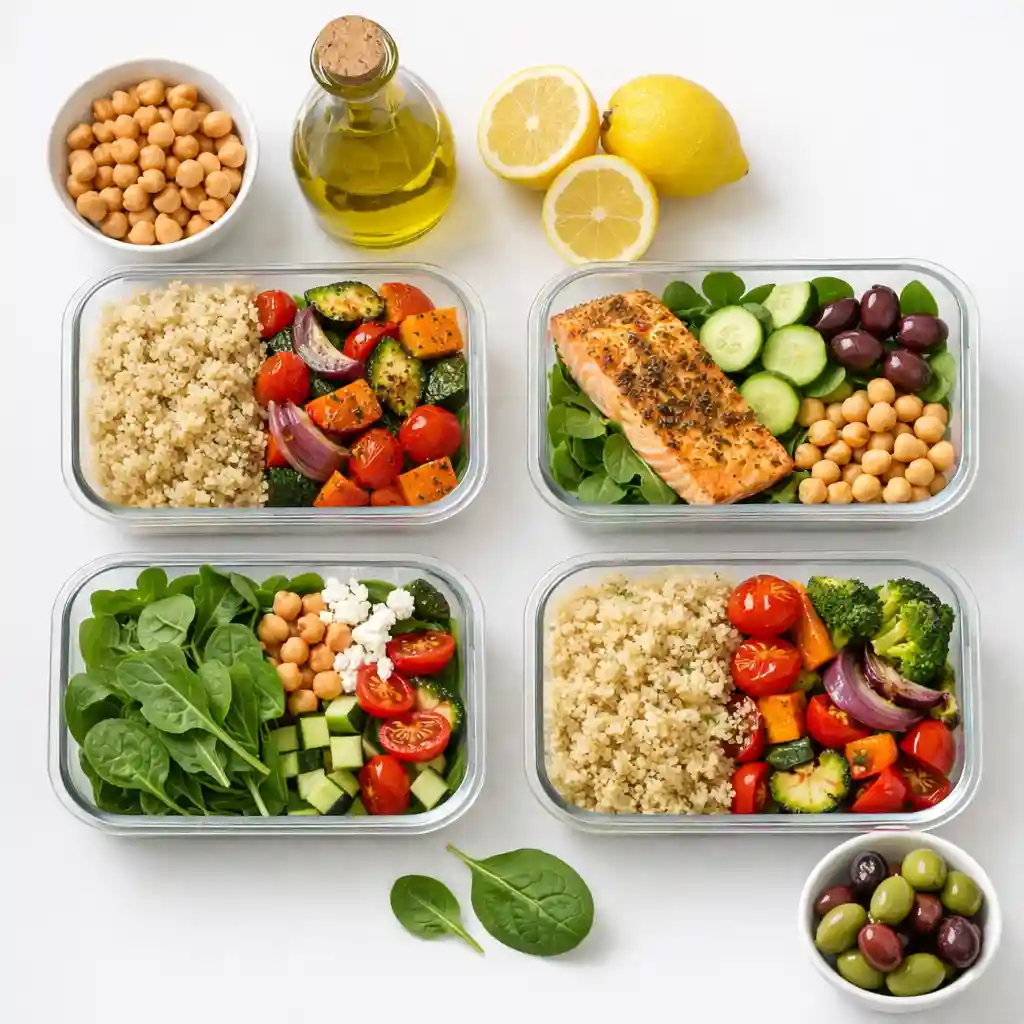
For example, Monday might start with Greek yogurt, berries, and walnuts for breakfast, followed by a chickpea and cucumber salad for lunch. Dinner could be baked salmon with roasted zucchini and brown rice. The next day, leftover salmon can top a leafy green salad, showing how mediterranean diet recipes often build on previous meals rather than starting from scratch.
Midweek, you might prepare lentil soup with carrots and tomatoes, paired with whole grain bread and olive oil. Because mediterranean diet recipe rely on pantry staples like beans, grains, and herbs, grocery shopping feels predictable and affordable. By Thursday or Friday, grilled chicken with a tomato and olive salad fits right into the pattern.
Planning ahead also helps reduce reliance on processed foods. When mediterranean diet recipes are mapped out for the week, you’re more likely to cook at home and keep portions balanced. Over time, this rhythm makes healthy eating feel steady instead of overwhelming.
A simple weekly plan proves that mediterranean diet recipe are not about perfection. Rather, they are about consistency, color on your plate, and meals that nourish both body and family table.
Simple Cooking Tips to Make Mediterranean Meals Sustainable
Over time, I’ve learned that keeping mediterranean diet recipes simple is what makes them sustainable. You don’t need complicated steps or rare ingredients. Instead, mediterranean diet recipes work best when you focus on fresh produce, quality olive oil, whole grains, and basic cooking methods like roasting, grilling, and simmering.
One helpful habit is prepping vegetables in advance. When chopped cucumbers, washed greens, and cooked grains are ready in the fridge, mediterranean diet recipes come together in minutes. For instance, tossing leftover quinoa with tomatoes, herbs, and chickpeas quickly creates a balanced lunch. Small routines like this make mediterranean diet recipe feel realistic during busy weeks.
Another practical tip is to cook extra portions at dinner. The following day, those leftovers can turn into wraps, grain bowls, or salads. Because mediterranean diet recipes rely on flexible ingredients, meals easily transform without waste. In addition, seasoning with garlic, lemon, and fresh herbs keeps flavors bright without heavy sauces.
Portion balance also matters. Filling half your plate with vegetables, adding a palm-sized portion of protein, and including a scoop of whole grains keeps mediterranean diet recipe steady and satisfying. With consistency, these small kitchen habits help mediterranean diet recipes become part of everyday life rather than a short-term change.
Frequently Asked Questions About Mediterranean Diet Recipes
As more families try mediterranean diet recipe, a few common questions come up again and again. Below, I’ve answered them clearly so you can feel confident bringing mediterranean diet recipes into your daily routine.
What are examples of Mediterranean diet meals?
Many mediterranean diet recipes center around grilled fish, roasted vegetables, and whole grains. For example, baked salmon with quinoa and steamed spinach is a classic dinner. A simple chickpea salad with tomatoes, cucumbers, olive oil, and lemon also fits beautifully into mediterranean diet recipes. Even lentil soup with carrots and herbs reflects how mediterranean diet recipes use pantry staples in practical ways.
What do you eat for breakfast on a Mediterranean?
Breakfast within mediterranean diet recipes often includes Greek yogurt with fruit and nuts, whole grain toast with avocado, or oatmeal topped with seeds and berries. Eggs with sautéed greens and olives are another balanced option. Because mediterranean diet recipes focus on fiber, protein, and healthy fats, mornings feel steady rather than rushed or sugary.
Is a Mediterranean diet good for lupus?
Some people ask whether mediterranean diet recipes are helpful for lupus. While these meals include ingredients commonly described as anti-inflammatory, such as olive oil and leafy greens, mediterranean diet recipes are not a cure or medical treatment. They may support overall wellness as part of a balanced plan discussed with a healthcare provider. This is for general awareness, not a medical treatment.
What is the Mediterranean diet for IVF?
In fertility discussions, mediterranean diet recipe are sometimes mentioned because they emphasize nutrient-dense whole foods. Meals rich in vegetables, legumes, fish, and healthy fats may align with general reproductive health guidance. However, mediterranean diet recipes should complement medical advice, not replace it.
If you’d like more wholesome meal inspiration that aligns with this style of eating, check out low-calorie-recipe-swaps for practical kitchen ideas.
Conclusion: Bringing Mediterranean Diet Recipes Into Your Everyday Life
At the end of the day, mediterranean diet recipes are not about strict rules or short-term changes. Instead, mediterranean diet recipe offer a steady way to enjoy balanced meals built from vegetables, whole grains, healthy fats, and lean proteins. When you keep the focus on simple ingredients and home cooking, mediterranean diet recipes feel approachable rather than overwhelming.
Over time, small habits make a big difference. Planning weekly menus, stocking your pantry with beans and whole grains, and choosing olive oil as your primary fat all support mediterranean diet recipes in a natural way. Even swapping one or two meals each week for mediterranean diet recipe can gently shift your overall eating pattern toward something more balanced.
It also helps to remember that mediterranean diet recipes are flexible. You can adjust portions, change vegetables based on the season, or adapt meals to your family’s tastes. Because mediterranean diet recipes emphasize variety and color, they rarely feel boring. Instead, they encourage mindful eating and shared meals around the table.
If you’re ready to begin, start with one simple dinner or breakfast idea from this guide. From there, build gradually. With consistency and realistic planning, mediterranean diet recipes can become part of your long-term lifestyle, supporting steady energy and everyday wellness.
If you’d like more healthy inspiration and simple food ideas, feel free to connect with us on Facebook and explore visual meal inspiration on Pinterest . Sharing and saving mediterranean diet recipes there can help you stay motivated and organized throughout your week.
Step by step, mediterranean diet recipes can become part of your rhythm, supporting practical, home-cooked meals that fit real life.