I remember the first time I tasted matzo ball soup. It was on a rainy spring afternoon, and a friend had brought over a warm bowl filled with golden broth and the softest dumplings I’d ever seen. It wasn’t just soup—it was comfort, tradition, and heart all in one spoonful. From that day on, I made it my mission to create a version of matzo ball soup that felt just as nurturing from my own kitchen.
In this article, I’m sharing my personal matzo ball soup recipe—a gentle, nourishing dish inspired by Jewish culinary roots but meant for anyone seeking comfort in a bowl. Whether you’re trying this for the first time, revisiting a family classic, or searching for a healthier twist, this guide is for you.
You’ll learn:
- What goes into a traditional matzo ball soup
- Tips for achieving light, fluffy matzo balls
- Common mistakes to avoid in your cooking
- Whether matzo ball soup can be part of a healthy lifestyle
- And how to prepare it from scratch with confidence
This isn’t just another recipe—it’s a kitchen ritual passed down, warm and simple.
Check out this satisfying, warm dish: High-Protein Lasagna Soup
Let’s begin with the story that makes this soup so meaningful.
Print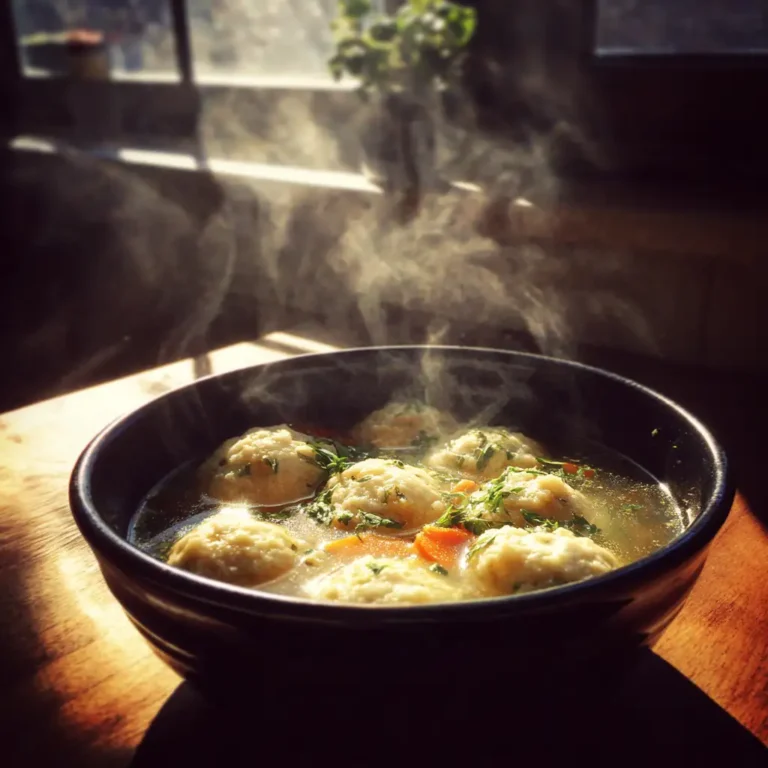
Matzo Ball Soup
A nourishing, traditional matzo ball soup made with golden broth, soft dumplings, and aromatic herbs—perfect for cozy days and cultural comfort.
- Total Time: 1 hour
- Yield: 6 servings 1x
Ingredients
- 1 cup matzo meal
- 4 large eggs
- 1/4 cup schmaltz or vegetable oil
- 1/4 cup seltzer or broth
- Salt to taste
- 8 cups homemade or low-sodium chicken or vegetable broth
- 2 large carrots, sliced
- 2 celery stalks, sliced
- 1 small onion, halved
- 1 bay leaf
- Fresh dill sprigs
- Fresh parsley for garnish
Instructions
- In a bowl, mix matzo meal, eggs, oil or schmaltz, salt, and seltzer or broth until combined. Chill for at least 30 minutes.
- In a large pot, simmer broth with carrots, celery, onion, bay leaf, and dill for 30–40 minutes. Remove onion and bay leaf before serving.
- With wet hands, roll chilled matzo mixture into golf ball-sized rounds.
- Boil salted water in a separate pot. Drop in matzo balls, cover, and simmer gently for 30–40 minutes. Do not uncover during cooking.
- Transfer cooked matzo balls to broth just before serving. Garnish with parsley and extra dill if desired.
Notes
Refrigeration is key—chilling the mixture ensures tender dumplings. Always cook matzo balls in water, not broth, to keep your soup clear and flavorful.
- Prep Time: 20 minutes
- Cook Time: 40 minutes
- Category: Soup
- Method: Stovetop
- Cuisine: Jewish
Nutrition
- Serving Size: 1 bowl
- Calories: 180
- Sugar: 3g
- Sodium: 550mg
- Fat: 7g
- Saturated Fat: 2g
- Unsaturated Fat: 5g
- Trans Fat: 0g
- Carbohydrates: 16g
- Fiber: 2g
- Protein: 7g
- Cholesterol: 85mg
Keywords: matzo ball soup, traditional, comfort food, dumplings, broth
The Story Behind Matzo Ball Soup
A Tradition Passed Down Through Generations
For many families, the matzo ball soup recipe is more than a comfort dish—it’s a symbol of heritage. I was introduced to it not in a synagogue or holiday meal, but in the cozy kitchen of a friend who swore by her grandmother’s way of making it. She never measured, just felt her way through each step. That stuck with me. Over time, I learned that this wasn’t just cooking; it was remembering, honoring, and sharing. Each bowl told a story—soft dumplings soaked in broth, floating like little promises of care.
This matzo ball soup recipe became my own kind of tradition. Every time I make it, I think about how food can bring warmth, healing, and belonging to our tables.
When I First Tried Making Matzo Ball Soup at Home
I’ll be honest—my first try at making matzo balls was a bit of a mess. I didn’t know how light or dense they should be. Some floated, others sank like stones. But I kept going, adjusting, tasting, learning. That’s the beauty of this matzo ball soup recipe—it welcomes mistakes. It’s forgiving. And with time, it taught me more than just how to cook; it taught me patience and attention.
If you’re here looking for a nourishing, heartfelt soup to share or savor alone, this matzo ball soup recipe might just become your new favorite ritual.
Matzo Ball Soup Recipe Ingredients and Their Purpose
What Ingredients Are in Matzo Ball Soup?
The heart of every matzo ball soup recipe lies in its simplicity. You don’t need fancy tools or rare spices—just a handful of honest ingredients that work together to comfort and nourish. A traditional matzo ball soup recipe usually starts with these essentials:
- Matzo meal – finely ground unleavened bread that forms the base of the dumplings
- Eggs – for binding and fluffiness
- Fat – most often chicken schmaltz or vegetable oil, which adds flavor and moisture
- Broth – typically homemade chicken broth, rich and savory
- Carrots and celery – for gentle sweetness and balance
- Fresh herbs – dill and parsley bring brightness and lift
Each of these plays a quiet but powerful role. The matzo meal gives the dumplings their signature texture. Eggs help bind and create air pockets for lightness. Schmaltz or oil provides richness. And the broth? That’s the soul of it all.
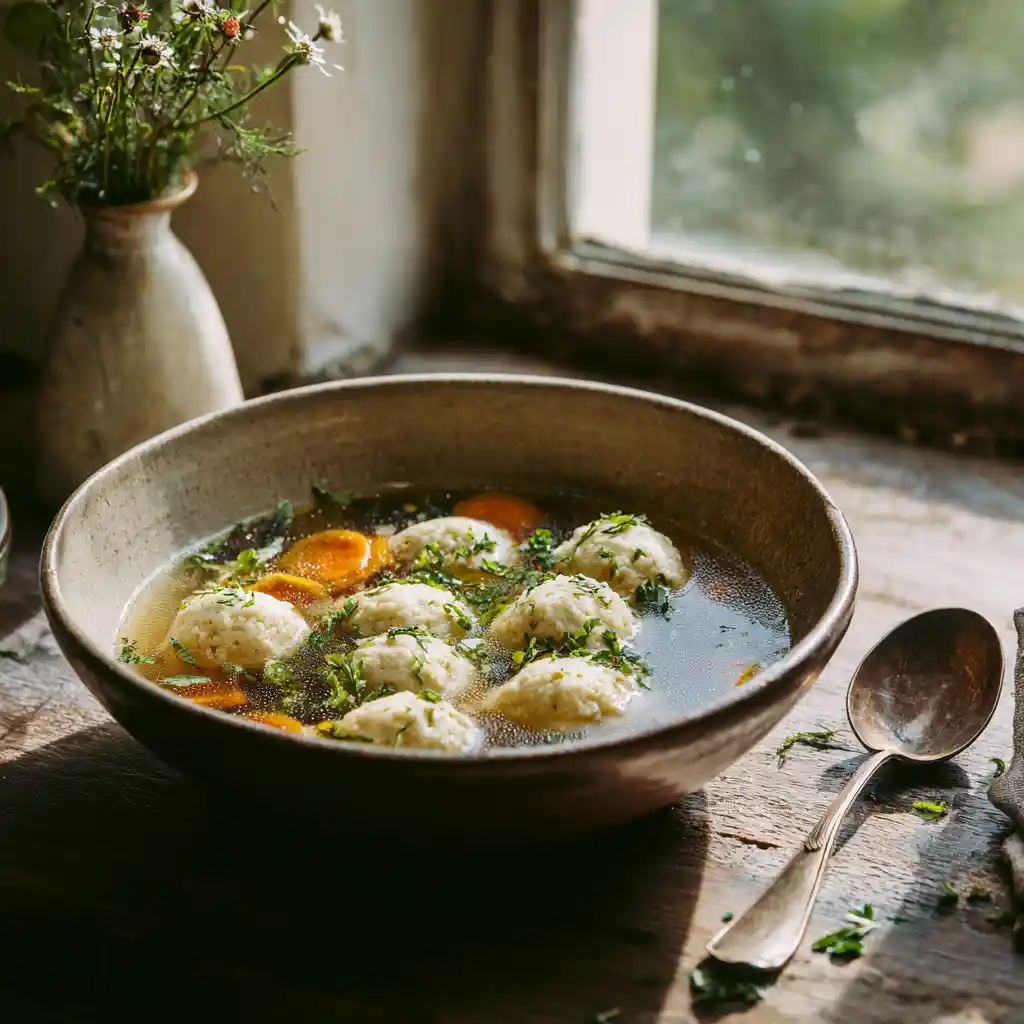
This matzo ball soup recipe is one I’ve refined over time—not to make it “better,” but to help it feel like home. I like using organic vegetable broth when cooking for vegan guests, and I always add an extra sprig of dill, just like my neighbor taught me years ago.
Key Role of Broth, Herbs, and Matzo Meal
Let’s talk broth for a moment. In any solid matzo ball soup recipe, the broth sets the tone. A rich, golden broth carries every flavor. It wraps the dumplings in warmth. Whether made from scratch or chosen from a trusted brand, don’t skip this part.
Herbs like dill and parsley lift the flavor with freshness. And the matzo meal? Choose fine, fresh meal—not something stale from the back of the pantry. It makes a big difference.
Want more soup inspiration?
Don’t miss our chicken-style twist on comfort soup: Chicken Tortilla Soup – Panera Style
How to Make Matzo Ball Soup from Scratch
Step-by-Step Matzo Ball Soup Recipe
When I first decided to try making a matzo ball soup recipe from scratch, I expected it to be complicated. But to my surprise, the steps were gentle and forgiving—just like the soup itself.
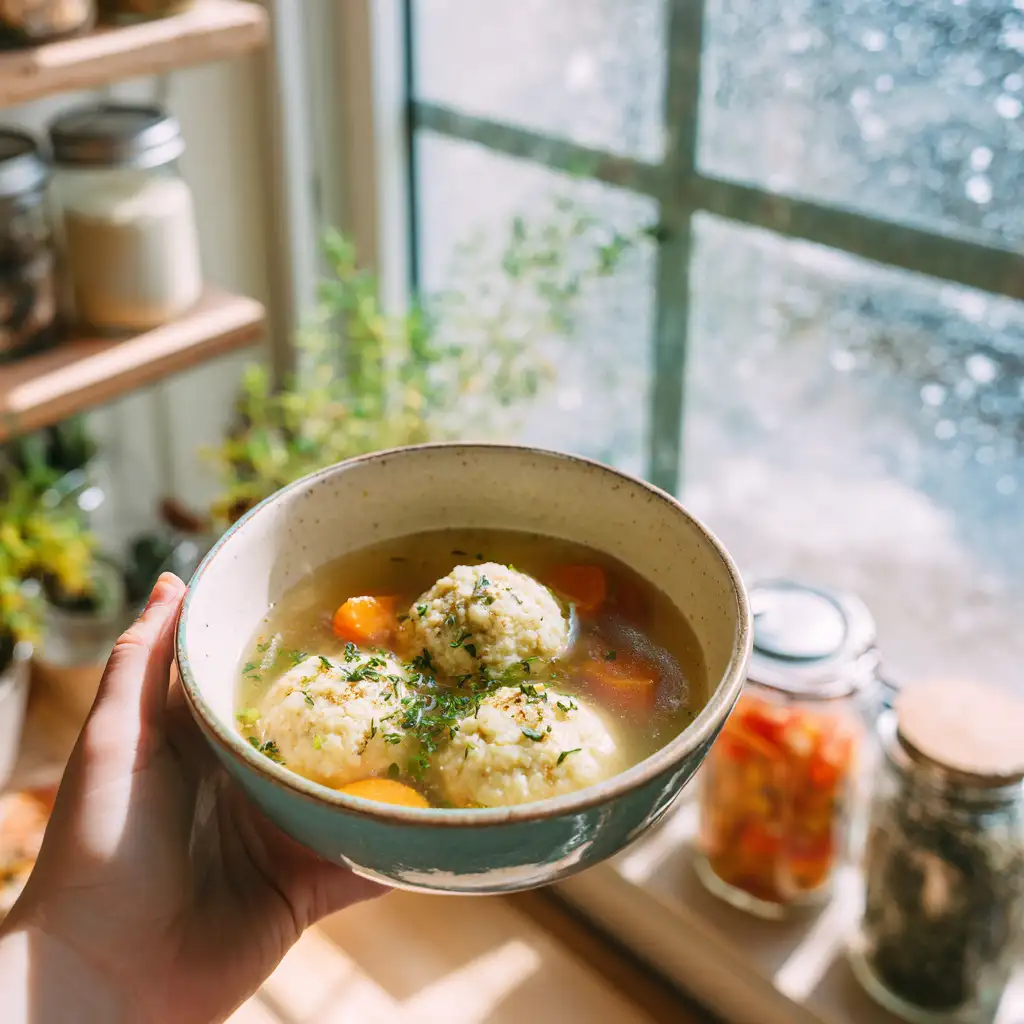
Here’s how I do it, with a steady rhythm that feels almost meditative:
- Make the matzo ball mixture
In a bowl, I mix matzo meal, eggs, a bit of oil (or schmaltz if you have it), salt, and a splash of broth or seltzer water. The texture should be sticky but not runny. Then I let it rest in the fridge for at least 30 minutes. This step helps everything bind and gives the matzo balls their signature tenderness. - Prepare the broth
While the mixture chills, I simmer a pot of broth with sliced carrots, celery, and onion. I always add a bay leaf and a few sprigs of dill for aroma. If I have time, I let it cook low and slow so the flavors deepen. - Form and cook the matzo balls
With wet hands, I roll the chilled mixture into balls—golf ball size is perfect. Then I gently drop them into boiling salted water (not the broth!) and simmer covered for 30–40 minutes. This keeps the broth clear and the matzo balls light. - Combine and serve
Finally, I transfer the cooked dumplings into the hot broth just before serving. Each bowl gets a few dumplings, some vegetables, and a sprinkle of fresh herbs.
This matzo ball soup recipe might seem simple, but each step is a quiet act of care. Making it from scratch allows you to connect with every part of the process.
Preparing the Broth and Rolling the Balls
What I love most is that once you’ve done it a few times, the matzo ball soup recipe becomes second nature. The broth whispers on the stove while the dumplings puff up gently in the pot. It’s peaceful and grounding.
Looking for inspiration? Try this cozy roundup of recipes: slimixir recipes
Secrets to Fluffy and Tender Matzo Balls
What Is the Secret to Fluffy Matzo Balls?
When I think back to my earliest batches of matzo balls, I remember how some turned out more like pebbles than pillows. It was frustrating. But with each attempt, I started noticing little shifts that made all the difference. The truth is, the secret to a light and fluffy matzo ball soup recipe isn’t just one trick—it’s a few small ones that work together.
Start with the right texture. The mixture should feel soft but not wet. Too much liquid can make the balls fall apart, while too little will leave them dense. Letting the mixture chill fully is key—it allows the matzo meal to absorb moisture evenly. I usually refrigerate mine for at least 45 minutes.
Next, avoid overmixing. Stir just enough to bring everything together, then stop. Overworking the mixture can toughen the final result.
Finally, cook them gently. Drop the formed balls into boiling salted water, not broth, and lower the heat. Cover the pot and simmer slowly for 30–40 minutes. No peeking! Lifting the lid lets out steam, which can stop them from puffing up.
When I follow these steps, my matzo ball soup recipe produces dumplings that are soft, light, and comforting—like little clouds floating in broth.
Tips to Avoid Dense or Hard Dumplings
Here’s a quick cheat sheet from my kitchen:
| Problem | Likely Cause | Fix |
|---|---|---|
| Matzo balls too hard | Mixture too dry or overmixed | Add a bit more fat or liquid next time |
| Matzo balls fall apart | Too much liquid or not enough resting | Chill longer or add a spoon of matzo meal |
| Matzo balls don’t float | Undercooked or overhandled | Simmer longer, handle less |
Every time you make a matzo ball soup recipe, you’ll get a little better at reading the dough. Trust your hands—and give yourself grace.
Discover great ideas like this calming tea alongside your soup: Lemon Balm Tea Benefits
Common Mistakes to Avoid When Making Matzo Ball Soup
What Are Common Mistakes When Making Matzo Ball Soup?
I’ve had more than a few kitchen hiccups while testing my matzo ball soup recipe. Some were small—like forgetting to salt the cooking water—and others were a bit more dramatic, like watching my dumplings disintegrate into mush. Over time, I learned these common mistakes and how to sidestep them.
One of the biggest errors is skipping the resting time for the matzo mixture. If you rush and try to roll the dough too soon, the dumplings often fall apart or cook unevenly. Always let the mixture chill—it’s worth the wait.
Another misstep? Using broth instead of water to cook the matzo balls. It might seem like a flavor boost, but it clouds the broth and can make the balls greasy. Keep your broth clear and golden by boiling the dumplings separately.
Many people also overwork the dough. It’s tempting to mix until smooth, but that leads to dense, chewy dumplings. Gentle handling results in that classic lightness we love in a well-balanced matzo ball soup recipe.
How to Fix Dry or Mushy Matzo Balls
If your matzo balls come out dry, try adding a touch more fat or an extra egg next time. If they’re too soft and fall apart, a spoonful of extra matzo meal can help give structure. And if they’re flavorless, a pinch of salt in the dough works wonders.
These adjustments don’t just save the dish—they help you make each batch better than the last. Every time I make a matzo ball soup recipe, I discover something new. The process keeps me grounded and connected to a comforting rhythm in the kitchen.
Don’t miss our full collection of comforting recipes:
slimixir recipes
Is Matzo Ball Soup Healthy? Let’s Talk Wellness
Is Matzah Ball Soup Healthy?
As someone who leans on food for comfort and healing, I often get asked if a matzo ball soup recipe fits into a balanced lifestyle. The short answer is yes—especially when made thoughtfully.
At its core, a traditional matzo ball soup recipe features whole ingredients: homemade broth, herbs, carrots, celery, and matzo meal. The broth provides hydration and warmth, while the vegetables offer fiber and nutrients. Even the matzo balls themselves can be part of a nourishing meal when portioned right and made with wholesome fats.

One of the easiest ways to make your matzo ball soup lighter is by adjusting the broth. Use low-sodium or homemade versions to cut down on salt, and load up on herbs and vegetables for natural flavor. Swapping out chicken fat for olive oil or avocado oil can also make a noticeable difference.
For those looking for gluten-free options, some have had success using ground oats or almond flour in place of matzo meal. While I haven’t tried this variation myself yet, it’s something I plan to experiment with soon.
Nutritional Breakdown and Tips for a Lighter Version
Here’s a rough idea of what one serving of a basic matzo ball soup recipe might look like:
| Nutrient | Approximate Value |
|---|---|
| Calories | 150–200 |
| Protein | 6–8 grams |
| Sodium | 400–600 mg |
| Carbohydrates | 15–20 grams |
| Fat | 6–10 grams |
Of course, this varies based on how rich your broth is and what fats you use in the dumplings. I like to balance the soup with a side of fresh greens or a slice of whole-grain bread.
From my experience, enjoying a bowl of matzo ball soup doesn’t mean giving up on health—it can be part of it. It’s warm, grounding, and emotionally nourishing, too.
Cultural Significance and Variations of the Recipe
Traditional Jewish Roots of the Recipe
There’s something sacred about a recipe passed down through generations. The matzo ball soup recipe is deeply woven into Jewish culture, often served during Passover, Shabbat dinners, or when a loved one needs comfort. In Yiddish, it’s sometimes called “Jewish penicillin,” a nod to its healing reputation—especially during cold season.
I remember visiting a friend’s family during a holiday meal. Her grandmother, with her sleeves rolled up, stirred a massive pot of broth while sharing stories of her own childhood. The soup wasn’t just food—it was a connection to the past. Her matzo ball soup recipe hadn’t changed in 40 years, and it didn’t need to.
This isn’t just a dish—it’s a memory, a moment, a way to bring people together. Even if you’re not Jewish, honoring the roots of this meal helps you appreciate its place in history.
Modern Twists and International Takes
Like all timeless recipes, the matzo ball soup recipe has evolved. Some home cooks today use bone broth for added nutrition. Others add a hint of ginger or turmeric to their broth, giving it a wellness-focused spin. I’ve even seen versions with quinoa or spinach folded into the dumpling dough.
In my kitchen, I like to play with what I have. Once, I added a handful of kale to the broth, and it turned out beautifully. On a chilly day, those kinds of nourishing additions make the dish feel even more comforting.
While I stay true to the core of the matzo ball soup recipe, it’s fun to see how different kitchens adapt it. That’s the joy of cooking—it’s never stuck in one place. It moves, grows, and welcomes new hands.
Best Tips to Serve, Store, and Reheat Matzo Ball Soup
How to Store and Reheat Without Ruining the Texture
If you’re anything like me, you’ll want to make enough matzo ball soup to enjoy more than once. Thankfully, a good matzo ball soup recipe handles leftovers beautifully—if you store it right.
The trick is to keep the broth and the dumplings separate. After cooking, I transfer the matzo balls into a container with just a bit of broth to keep them moist. The rest of the broth goes into a separate jar. This keeps the matzo balls from soaking up too much liquid and becoming soggy or falling apart.
When you’re ready for another bowl, heat the broth gently on the stove. Then, drop in the matzo balls and let them warm through for about 5–10 minutes. This simple method keeps the texture light and the flavor intact.
I’ve found that a well-made matzo ball soup recipe can last up to four days in the fridge, and even freezes well. If freezing, store the balls and broth separately in freezer-safe containers. Just defrost overnight in the fridge before reheating.
Best Sides and Serving Ideas for Matzo Ball Soup
This soup shines on its own, but I like to pair it with light, fresh sides. A crisp green salad with lemon vinaigrette or some roasted root vegetables adds balance to the meal. On holidays, I’ll serve this matzo ball soup recipe with braided challah or lightly toasted whole grain bread.
Sometimes, a simple garnish—like extra dill, a pinch of cracked pepper, or a drizzle of lemon juice—makes it feel like a new dish. And if I’m hosting, I let guests add what they like. It’s a comforting base for any meal, no matter the occasion.
Frequently Asked Questions
What Are Common Mistakes When Making Matzo Ball Soup?
One common error is skipping the chilling step for the dough. Without rest time, the mixture doesn’t hold its shape, and the dumplings may fall apart during cooking. Another mistake is overmixing the batter, which can lead to dense, chewy balls.
Also, boiling the dumplings in the same pot as the broth is tempting—but it muddies the soup. Cook the balls in salted water, then transfer them to your broth before serving. This approach keeps your matzo ball soup recipe clean and delicious.
What Ingredients Are in Matzo Ball Soup?
A classic matzo ball soup recipe calls for simple ingredients: matzo meal, eggs, fat (like oil or chicken schmaltz), salt, and broth. These come together to form the base for light dumplings that float in a rich, clear soup. Many people also add carrots, celery, onions, and fresh herbs like dill and parsley to brighten the flavor.
If you’re short on time, you can use store-bought broth, but I always recommend a homemade base when possible—it deepens the overall taste and makes your matzo ball soup recipe feel more personal.
What Is the Secret to Fluffy Matzo Balls?
The secret lies in balance. Let the dough rest, don’t overwork it, and simmer the matzo balls gently with the lid on. Resist the urge to peek! Steam helps them puff up properly. Using seltzer water instead of broth in your mixture is another popular trick to add extra airiness.
Each matzo ball soup recipe varies, but the fluffiest versions come from patience, practice, and just the right touch.
Is Matzah Ball Soup Healthy?
When made with whole ingredients and mindful seasoning, a matzo ball soup recipe can absolutely fit into a healthy lifestyle. The broth offers hydration and minerals, and the dumplings provide carbs and a bit of protein. You can also adjust the fat source or add more veggies to lighten it up.
Like many traditional foods, it’s all about how you prepare it. I find it to be a soul-warming, nourishing meal that leaves me feeling full but not heavy.
Conclusion: A Bowl of Comfort for Any Season
Every time I return to this matzo ball soup recipe, I feel like I’m doing more than just making soup—I’m preserving something gentle and true. Whether it’s a quiet evening at home or a special holiday meal, this dish brings warmth that reaches deeper than flavor alone.
It’s not just the broth or the dumplings—it’s the care in shaping each ball, the patience in simmering the broth, and the joy in sharing it. Over time, this matzo ball soup recipe has become part of my own rhythm, a reminder that even the most modest ingredients can create something deeply nourishing.
If you’re looking for a dish that soothes the body and comforts the heart, this recipe may be exactly what you need. It welcomes both tradition and creativity, offering room to adjust, experiment, and make it your own.
Don’t forget—good soup starts with good moments. Keep it warm, keep it simple, and let it feed more than your appetite.
Stay cozy with more ideas on our Facebook page: facebook
Or get inspired on Pinterest: pinterest