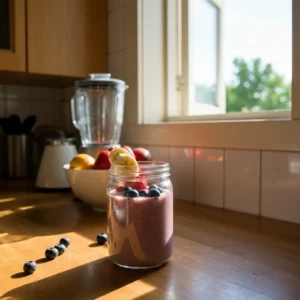
Early one quiet morning, I stood in my kitchen with a warm bowl in my hands and a small spoon of bright green powder. Over the years, I’ve come to enjoy simple drink rituals like this one. Preparing matcha at home became one of those peaceful moments that gently begins my day. The process is calm, the flavor is earthy, and the experience feels comforting in a way many busy mornings rarely offer.
More people today are discovering the joy of making matcha at home. Instead of buying expensive café drinks, many prefer learning how to prepare matcha themselves. Not only can this save money, but it also gives you full control over ingredients, sweetness, and flavor. Whether you enjoy warm tea, creamy lattes, or refreshing iced drinks, matcha is surprisingly easy to prepare once you understand the basics.
If you already enjoy tea rituals, you may also enjoy calming herbal drinks. For example, learn more about lemon balm tea benefits and how herbal beverages can become part of a simple daily wellness routine.
This guide is designed for beginners and curious tea lovers who want to make matcha at home without confusion. You don’t need expensive equipment or advanced skills to begin. With a few simple tools and good-quality matcha powder, anyone can prepare a smooth and enjoyable drink.
In this article, you will learn:
- What matcha really is and how it differs from regular green tea
- Why making matcha at home is becoming popular
- The basic tools used for traditional and modern matcha preparation
- How to choose fresh matcha powder
- Simple recipes for matcha tea, matcha lattes, and iced drinks
- Helpful tips to improve your daily matcha routine
By the end of this guide, you’ll feel confident preparing your own matcha drinks in a calm and simple way. Think of it less as a complicated recipe and more as a small daily ritual that brings balance to your morning or afternoon.
Disclaimer: This article shares general information about matcha and traditional beverage practices. It is for awareness and enjoyment purposes only and is not a medical treatment or health claim.
What Is Matcha and Why People Make Matcha at Home
Matcha is a finely ground green tea powder that has been used in Japanese tea traditions for centuries. Unlike regular green tea, where leaves are steeped and removed, matcha powder is whisked directly into water or milk. Because the whole leaf is consumed, the flavor tends to be richer, smoother, and slightly earthy. This unique preparation is one reason many people enjoy preparing matcha at home as part of a simple daily routine.
The Origin and Traditional Use of Matcha Tea
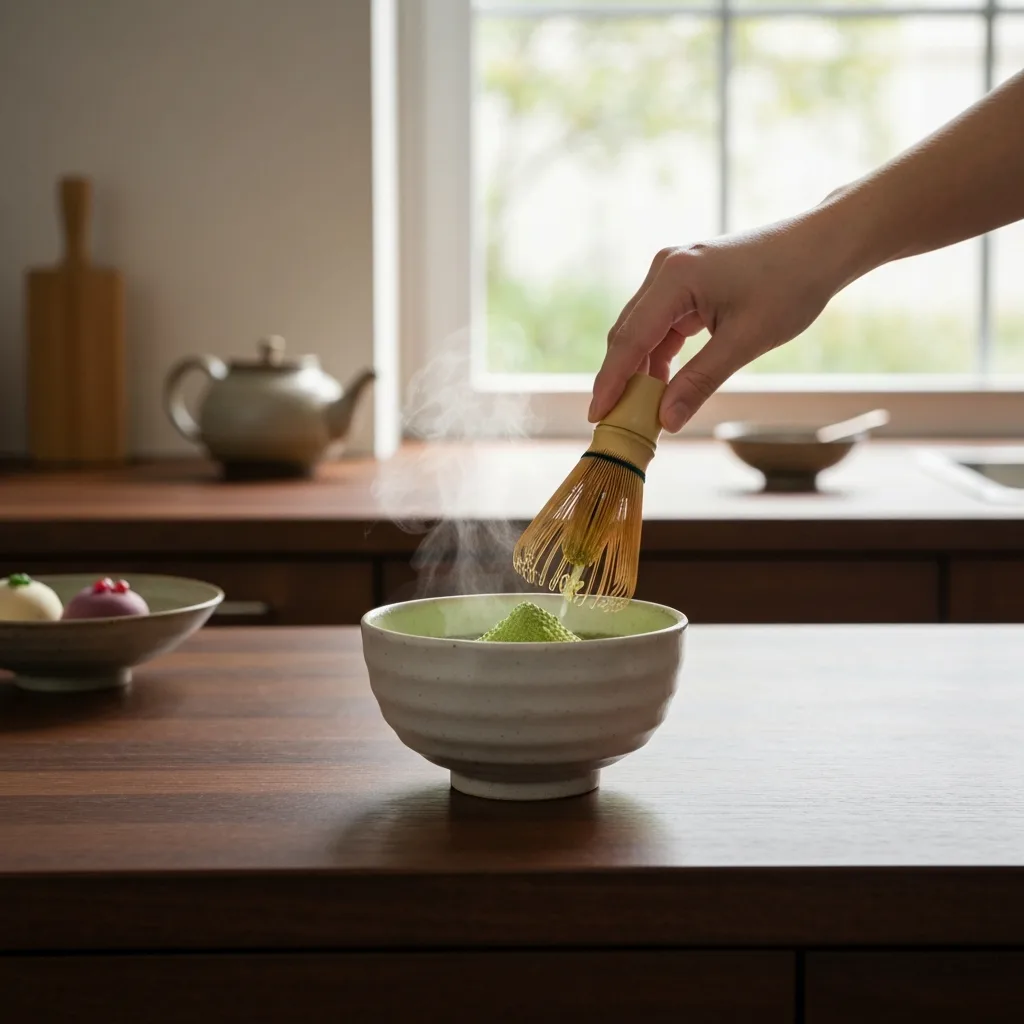
Matcha began as part of traditional tea ceremonies in Japan, where preparing and serving tea is treated as a calm and mindful practice. Over time, the drink became popular beyond ceremonial settings. Today, matcha is used in tea, lattes, desserts, and smoothies.
In many homes, making matcha at home is less about ceremony and more about enjoying a warm and comforting drink. The preparation process is simple: sift the powder, add warm water, and whisk until the tea becomes smooth and lightly foamy. Even beginners can learn the method quickly.
If you enjoy preparing drinks from scratch, you might also enjoy learning how to brew cold brew coffee, another simple homemade drink that many people include in their daily routines.
Why Matcha at Home Is Becoming Popular in Daily Wellness
Over the past few years, interest in homemade wellness drinks has grown. Instead of relying on packaged beverages, many people prefer drinks they can prepare fresh in their own kitchens. Preparing matcha at home fits perfectly into this approach because it requires only a few ingredients and takes just a few minutes.
Another reason people enjoy matcha is its balanced taste. When prepared properly, it has a smooth, slightly grassy flavor that pairs well with plant-based milk, honey, or simple natural sweeteners. Some people enjoy it as a morning alternative to coffee, while others drink it during the afternoon for a gentle energy lift.
Those who like homemade drinks often experiment with other refreshing options too. For example, many readers enjoy trying natural electrolyte drink recipes that use simple kitchen ingredients.
Making matcha at home is not complicated. With a small amount of practice and good-quality matcha powder, anyone can create café-style drinks while enjoying a calm and satisfying tea ritual.
Benefits of Preparing Matcha at Home
Making matcha at home offers more than just convenience. Many people appreciate the freshness, the control over ingredients, and the calming routine that comes with preparing their own drinks. Instead of relying on store-bought beverages filled with added sugars, homemade matcha allows you to keep things simple and natural.
Nutrients Found in Matcha Green Tea
Matcha comes from specially grown green tea leaves that are ground into a fine powder. Because the entire leaf is consumed, the drink contains many of the natural compounds found in green tea. Matcha has traditionally been associated with antioxidants and plant compounds that may support general wellness when included as part of a balanced lifestyle.
From my experience, drinking matcha feels lighter than many sugary beverages. The flavor is gentle yet refreshing, and it pairs well with simple ingredients like oat milk, almond milk, or a small amount of honey.
If you enjoy learning about light drink choices, you may also want to check out zero-calorie drinks that people often include in healthy daily routines.
Why Homemade Matcha Drinks Feel Fresher and More Affordable
Another reason many people prepare matcha at home is the cost. Café matcha lattes can be expensive, especially if purchased regularly. By making your own matcha drinks, you only need a small amount of powder per serving, which makes the container last much longer.
Homemade matcha also allows you to experiment with different styles. Some days you might enjoy a warm tea, while on warmer afternoons an iced matcha drink can feel refreshing. Others like blending matcha with fruit or yogurt for smoothies.
For readers who enjoy experimenting with homemade beverages, you might also enjoy natural Gatorade recipe ideas that use simple ingredients to create refreshing drinks.
Preparing matcha at home is not only practical but also enjoyable. Once you learn the basics, the process becomes a relaxing daily habit that takes only a few minutes.
Essential Tools for Making Matcha at Home
Preparing matcha at home becomes much easier when you have the right tools. While matcha may look simple, the small tools used in its preparation help create the smooth texture and light foam that people enjoy. When you start making matcha at home, even basic equipment can improve the taste and overall experience.
Matcha Whisk (Chasen) and Traditional Matcha Bowl
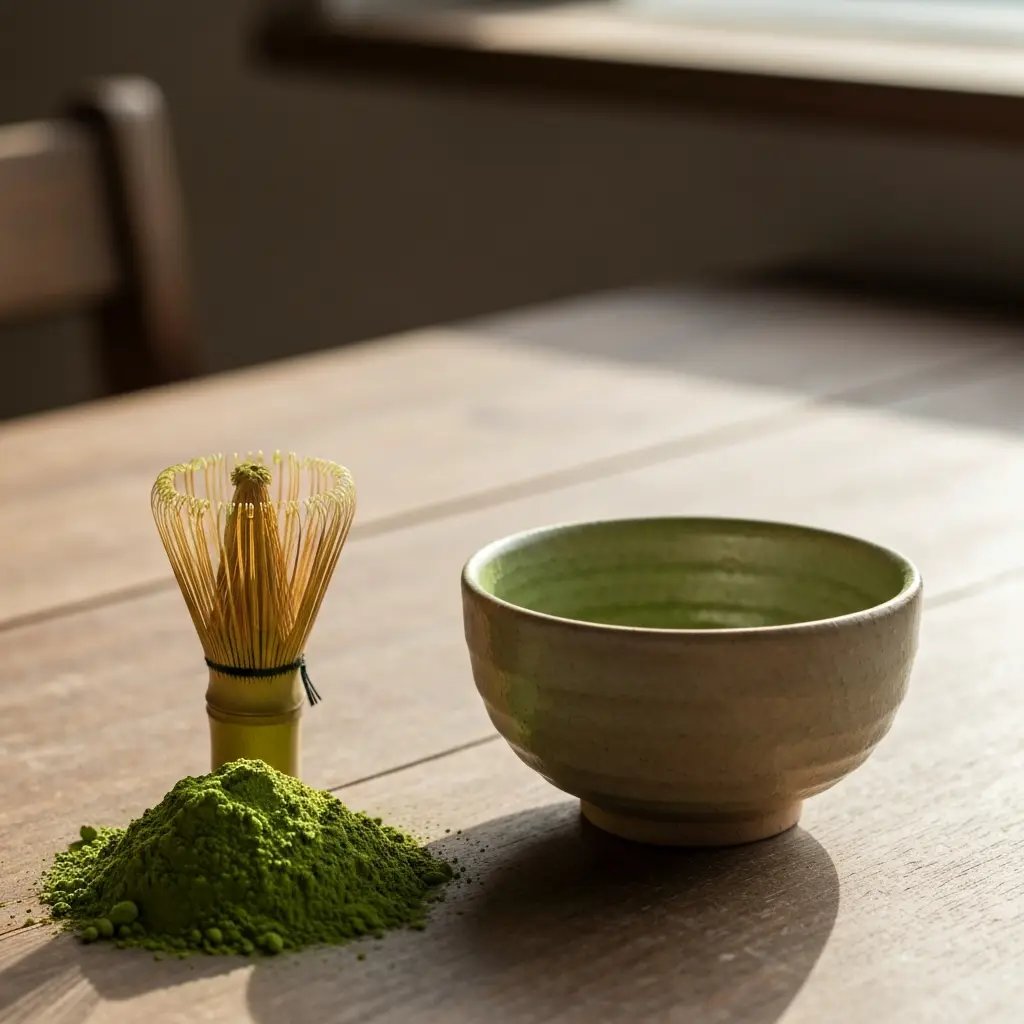
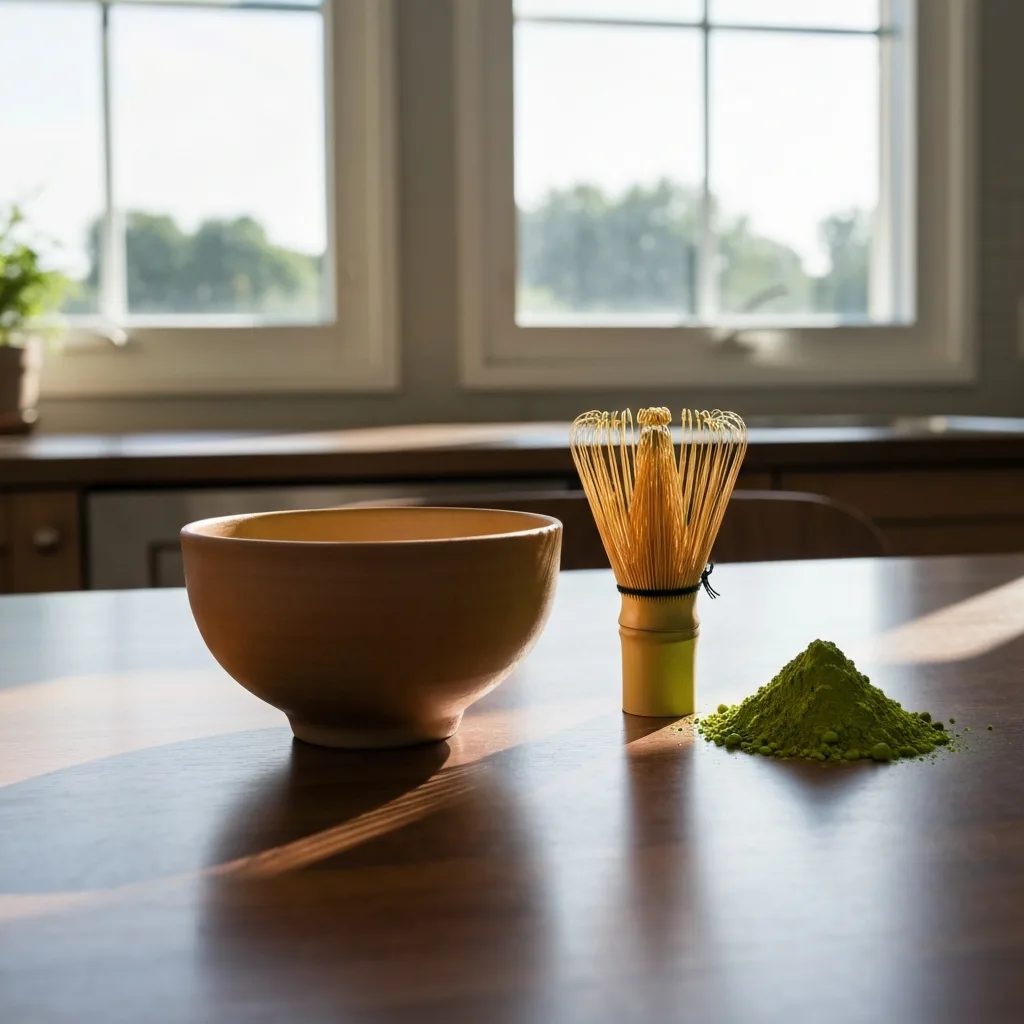
The most traditional way to prepare matcha at home uses a bamboo whisk called a chasen. This small whisk is designed to break up clumps and mix matcha powder smoothly with warm water. When whisking matcha at home, the motion is usually quick and gentle, forming a thin foam on the surface.
A wide tea bowl, often called a chawan, is also commonly used when preparing matcha at home. The wide shape gives enough room to whisk the powder properly. Many people enjoy using these traditional tools because they make the process of making matcha at home feel calm and intentional.
Still, you don’t have to follow strict traditions to enjoy matcha at home. Many beginners start with simple kitchen tools before deciding whether they want traditional equipment.
Modern Alternatives for Preparing Matcha Without Special Tools
If you do not have a bamboo whisk, you can still make matcha at home using everyday kitchen items. A small jar with a lid can work well—just add matcha powder, warm water, and shake until the mixture becomes smooth. A handheld milk frother is another easy way to mix matcha at home quickly.
Many people who already enjoy homemade beverages find this method convenient. For example, anyone who enjoys making drinks from scratch might also enjoy natural electrolyte drink recipes as part of their daily routine.
No matter which method you choose, the goal of making matcha at home is simple: create a smooth drink without clumps. Once you find the tools that work best for you, preparing matcha at home becomes quick, relaxing, and easy to repeat each day.
Choosing the Best Matcha Powder for Home Use
When people begin making matcha at home, the quality of the powder makes a noticeable difference. Good matcha has a bright green color, a smooth texture, and a fresh grassy aroma. If the powder looks dull or yellowish, the flavor may taste bitter. So when preparing matcha at home, choosing fresh and well-stored matcha powder helps create a better drink from the start.
Culinary Grade vs Ceremonial Grade Matcha
Two common types of matcha are available for people who want to prepare matcha at home: ceremonial grade and culinary grade. Ceremonial matcha is usually smoother and milder in taste. It is often used when making traditional tea with water only. Many beginners enjoy ceremonial powder when they want a simple cup of matcha at home without added ingredients.
Culinary matcha, on the other hand, is commonly used for recipes. When making matcha at home for lattes, smoothies, or desserts, culinary grade matcha often works well because it blends nicely with milk or other ingredients. The flavor is slightly stronger, which helps it remain noticeable in mixed drinks.
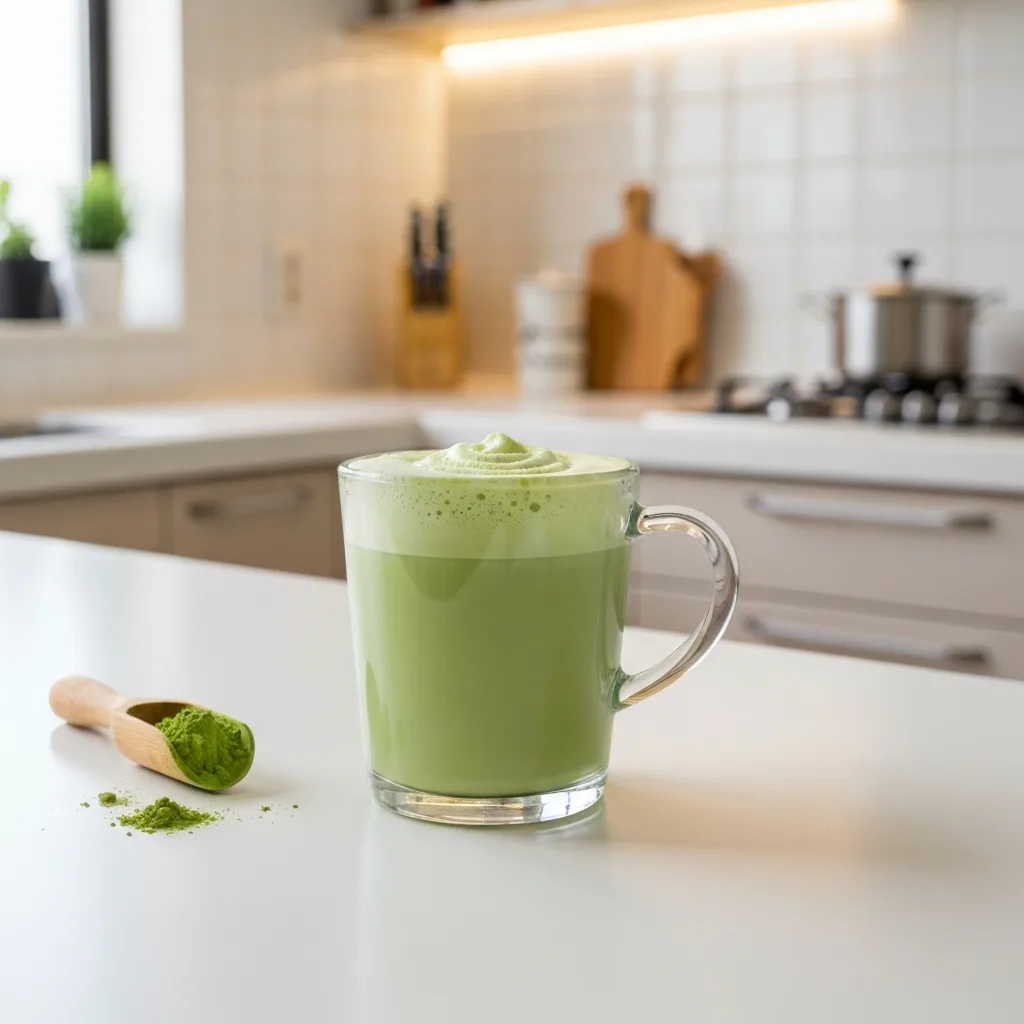
People who enjoy experimenting with homemade beverages often combine matcha with fruits or plant-based milk. If you enjoy creative drink ideas, you might also like discovering TikTok pink drink recipes that show how simple ingredients can create refreshing homemade drinks.
How to Spot Fresh and High-Quality Matcha Powder
Selecting good matcha becomes easier once you know what to look for when making matcha at home. First, check the color. Fresh matcha usually appears bright green, which suggests the leaves were grown and processed carefully. Next, notice the texture. Quality matcha powder should feel very fine, almost like soft flour.
Packaging also matters when preparing matcha at home. Matcha is sensitive to air, heat, and light. Because of this, it is usually sold in sealed tins or dark containers. Keeping the powder stored properly helps preserve flavor and color for longer.
Finally, start with small amounts when experimenting with matcha at home. Trying different brands and grades allows you to discover the flavor you enjoy most. With time, choosing the right matcha powder becomes part of the simple routine of making matcha at home.
Step-by-Step Guide to Making Matcha at Home
Learning the basic preparation method is what truly makes matcha at home enjoyable. Once you understand the simple steps, preparing this green tea becomes quick and relaxing. Many people who start making matcha in their kitchen find that the routine soon becomes a small daily ritual.
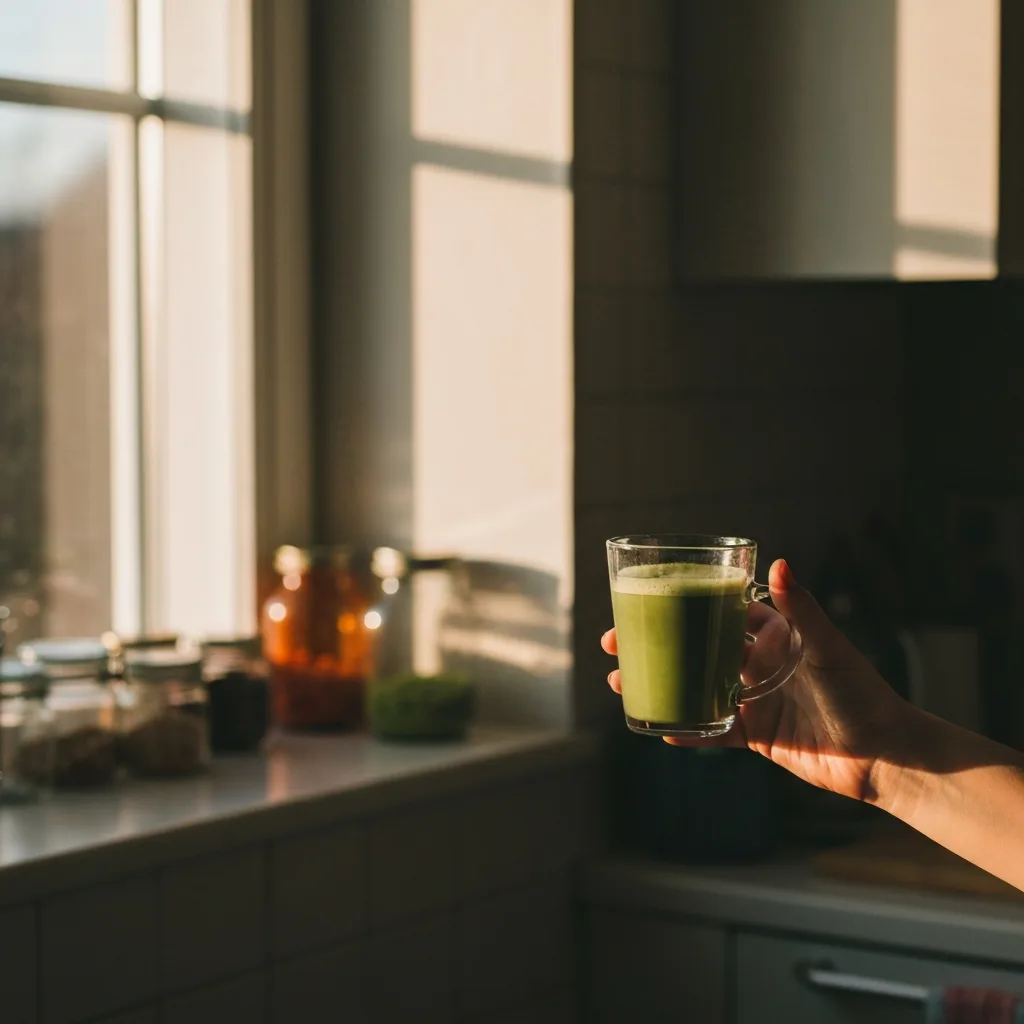
Simple Traditional Method for Preparing Matcha Tea
To begin preparing matcha at home, start by adding about one teaspoon of matcha powder to a bowl. Sifting the powder first can help remove small clumps and make the drink smoother. Next, pour in a small amount of warm water—usually about two to three ounces. The water should be warm but not boiling.
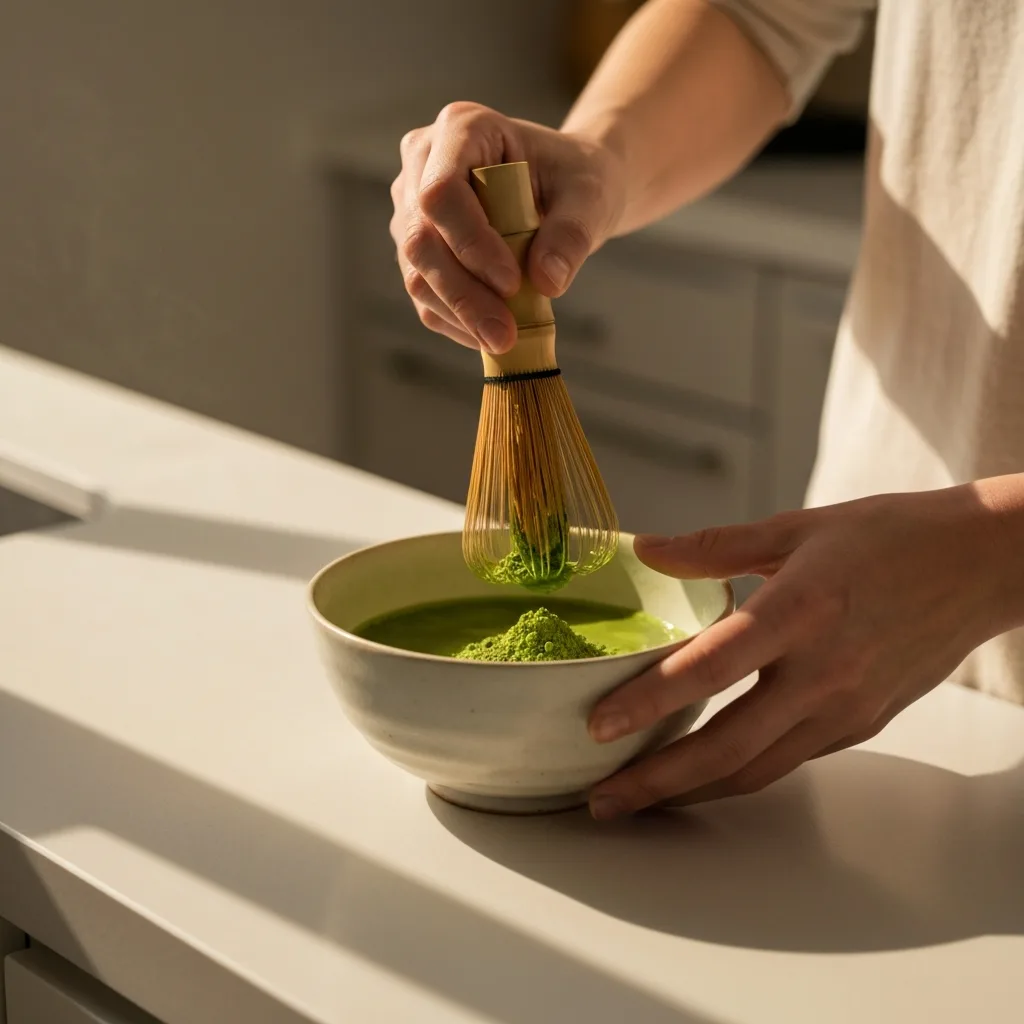
Using a bamboo whisk or small frother, gently mix the powder and water in quick motions until the liquid becomes smooth and lightly foamy. At this point, your matcha at home tea is ready to drink. Some people prefer it this way because it highlights the natural taste of matcha.
Quick Matcha Latte Recipe You Can Make at Home
If you prefer a creamy drink, you can easily turn your tea into a latte while making matcha at home. Prepare the matcha using the same whisking method, then warm a cup of milk or plant-based milk such as oat or almond milk.
Pour the milk slowly over the whisked tea and stir gently. A small amount of honey or maple syrup may be added for sweetness if desired. This method creates a café-style drink while still allowing you to enjoy matcha at home without complicated equipment.
People who enjoy preparing drinks themselves often try several homemade beverage ideas. For example, refreshing blends like cucumber weight loss drink are also popular for simple daily hydration routines.
With practice, making matcha at home becomes quick and familiar. After a few attempts, you will likely find the balance of powder, water, and milk that suits your taste best.
Easy Matcha Drink Ideas to Try at Home
Once you become comfortable preparing matcha, experimenting with new drink ideas can make the routine more enjoyable. Many people who prepare matcha at home like to switch between warm and cold drinks depending on the season. The good news is that matcha blends well with many simple ingredients, making it easy to create refreshing beverages in your own kitchen.
Matcha Latte with Plant-Based Milk
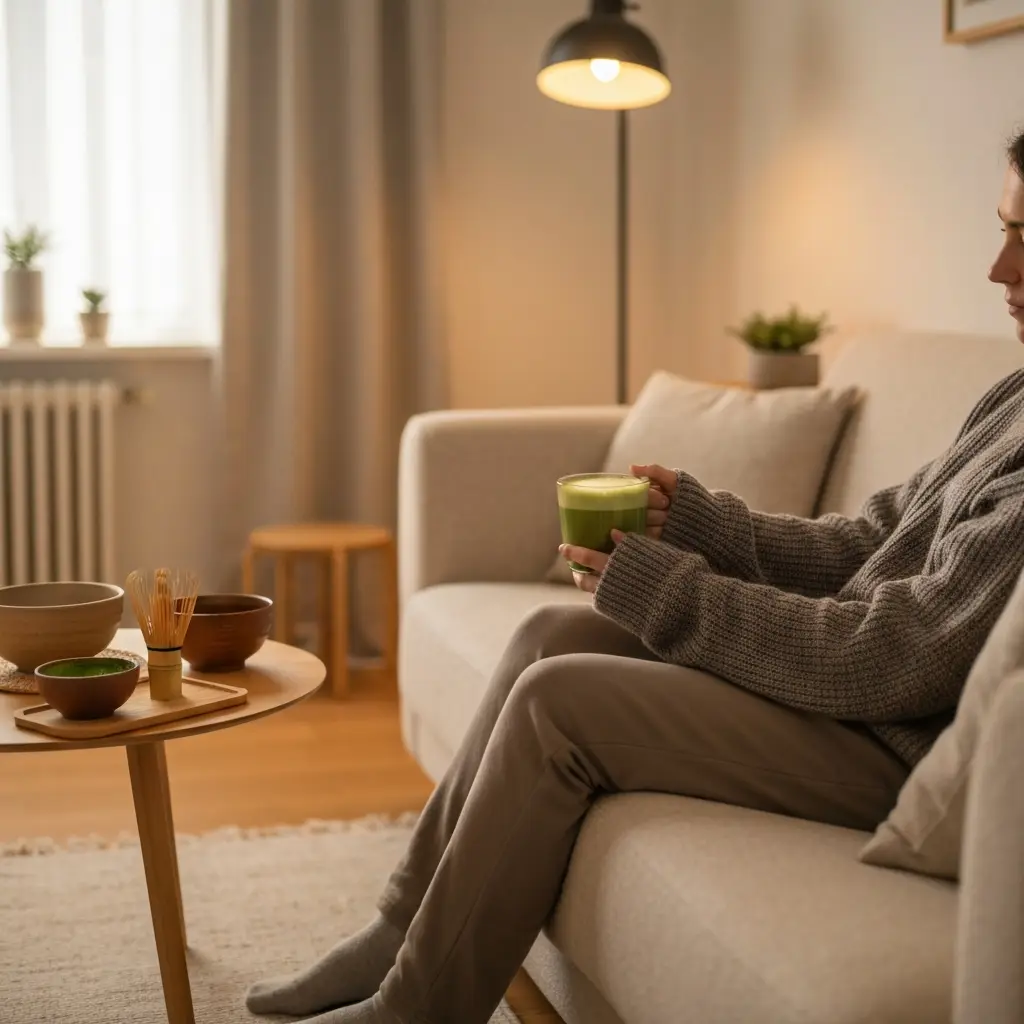
One of the most popular ways to enjoy matcha at home is by making a smooth latte. After whisking matcha powder with warm water, you can add steamed milk or plant-based options such as oat, almond, or coconut milk. The creamy texture balances the earthy flavor of matcha, creating a drink that feels both comforting and refreshing.
Many people also add a small amount of honey or maple syrup for natural sweetness. Preparing this style of matcha at home often feels similar to a café experience, but it gives you full control over the ingredients and sweetness level.
If you enjoy experimenting with refreshing drinks, you might also check out natural electrolyte drink recipes that use simple kitchen ingredients to support daily hydration.
Iced Matcha Drinks and Smoothie Ideas
During warmer days, iced beverages become a favorite way to enjoy matcha at home. To prepare an iced version, whisk matcha with a small amount of warm water first. Then pour the mixture over a glass of ice and add cold milk or water.
Another creative idea is blending matcha with fruits such as banana or mango to make a smoothie. This approach turns matcha at home into a refreshing drink that can be enjoyed during breakfast or as a midday refreshment.
People who enjoy smoothie drinks may also enjoy exploring healthy smoothie for weight loss ideas that combine fruits and simple ingredients for balanced flavor.
Trying different drink styles keeps matcha at home interesting. With a little creativity, you can prepare warm lattes, iced teas, or blended drinks that fit your taste and daily routine.
Common Mistakes When Preparing Matcha at Home
The first few times I prepared matcha, I remember thinking the flavor seemed stronger than expected. Over time, I realized that small preparation details make a big difference. When learning to prepare matcha at home, a few common mistakes can affect the taste and texture. Fortunately, these are easy to fix once you understand the basics.
Using Water That Is Too Hot
One mistake many beginners make when preparing matcha at home is using boiling water. Extremely hot water can create a bitter taste and reduce the smooth character that matcha is known for. Traditionally, the water used for matcha is warm rather than boiling.
In my own kitchen, I usually heat water and let it cool for a minute before mixing it with the powder. This small step often makes matcha at home taste more balanced and pleasant. When the temperature is right, the drink develops a gentle foam and a softer flavor.
Many people who enjoy homemade drinks discover that temperature control matters in other beverages as well. For example, readers who prepare different refreshing drinks sometimes enjoy natural Gatorade recipe ideas that also rely on simple preparation methods.
Not Whisking Matcha Properly
Another common issue when making matcha at home is not whisking the powder thoroughly. Matcha can form small clumps if it is not mixed well. This may lead to a grainy texture instead of the smooth consistency most people expect.
When whisking matcha at home, gentle but quick motions help break apart the powder and blend it evenly with the water. Many people use a zigzag motion with a bamboo whisk or a small milk frother. After a few attempts, the process becomes quick and almost effortless.
Preparing matcha at home is really about practice and patience. With the right temperature and proper whisking, the drink becomes smoother, lighter, and more enjoyable each time you prepare it.
Tips to Improve Your Matcha at Home Routine
Once you become familiar with preparing matcha, small habits can make the experience smoother and more enjoyable. Many people discover that making matcha at home becomes more than just preparing a drink. It slowly turns into a calming routine that fits naturally into mornings or quiet afternoon breaks.
How to Store Matcha Powder for Fresh Flavor
Proper storage plays a big role in maintaining the taste of matcha at home. Matcha powder is sensitive to light, air, and heat, which means it should always be kept in a sealed container. Most matcha tins are designed to protect the powder, but placing the container in a cool, dry space can help maintain its freshness longer.
Many people store matcha in the refrigerator after opening. This can help protect its bright green color and gentle flavor. When preparing matcha at home regularly, using small amounts and resealing the container quickly helps preserve the powder’s natural quality.
People who enjoy fresh homemade drinks often follow similar storage habits for other ingredients as well. If you like refreshing beverage routines, you might also discover natural electrolyte drink recipes that use simple ingredients stored easily in your kitchen.
Simple Daily Matcha Rituals for a Calm Morning
One reason many people continue making matcha at home is the peaceful rhythm of the preparation itself. Measuring the powder, warming the water, and whisking the tea creates a short pause before the day begins. Even this small ritual can feel grounding.
Some people enjoy pairing matcha with a light breakfast, while others drink it during a quiet afternoon break. Over time, preparing matcha at home becomes a familiar routine that signals a moment to slow down and enjoy something simple.
Those who enjoy experimenting with drink routines sometimes alternate between matcha and other homemade beverages. For example, refreshing options like cucumber weight loss drink ideas are also popular choices for simple hydration.
With a few small habits and proper storage, preparing matcha at home can remain a pleasant daily practice that fits naturally into a balanced lifestyle.
FAQ About Matcha at Home
Can You Make Matcha at Home Without a Whisk?
Yes, you can still prepare matcha at home without a traditional bamboo whisk. While the whisk helps create a smooth foam, other kitchen tools work well too. A small jar with a lid can be used to shake the mixture until smooth. A handheld milk frother is another simple option.Many beginners start this way before deciding whether they want traditional matcha tools. The key is mixing the powder well so that the drink stays smooth and free from clumps.
How Much Matcha Should You Use Per Cup?
When preparing matcha at home, most people use about one teaspoon of matcha powder per cup. This amount creates a balanced flavor without making the drink too strong. If you prefer a lighter taste, you can slightly reduce the amount of powder.Once you become comfortable making matcha at home, adjusting the powder level becomes easy depending on your taste preferences.
Is Matcha Better Than Regular Green Tea?
Both matcha and green tea come from the same plant, but they are prepared differently. When drinking regular green tea, the leaves are steeped and removed. With matcha at home, the powdered leaves are whisked directly into the drink.Because of this preparation style, matcha has a thicker texture and deeper flavor. Some people enjoy the richer taste, while others prefer the lighter feel of traditional green tea.
Can Matcha Be Used in Smoothies or Recipes?
Yes, matcha blends easily with other ingredients, which is why many people experiment with drinks when making matcha at home. It can be added to smoothies, yogurt bowls, or even simple desserts.If you enjoy experimenting with homemade beverages, you might also enjoy trying healthy smoothie for weight loss ideas that combine fruits and refreshing ingredients.
How Often Can You Drink Matcha at Home?
Many people enjoy drinking matcha at home once a day, often in the morning or early afternoon. Matcha naturally contains caffeine from tea leaves, so moderation is usually recommended.Some people alternate between matcha and other refreshing drinks throughout the week. For example, readers who enjoy variety sometimes prepare zero-calorie drinks alongside their regular beverage routines.
What Is the Best Milk for Matcha Latte?
When making a latte version of matcha at home, the choice of milk depends on personal preference. Many people enjoy oat milk because it creates a creamy texture. Almond milk, coconut milk, and dairy milk also work well.Trying different milk options is part of the fun of preparing matcha at home. Over time, you may discover the combination that best matches your taste.
Conclusion: Enjoy the Simple Ritual of Matcha at Home
Preparing matcha at home is more than just making a drink. For many people, it becomes a small daily ritual that adds calm and balance to the day. With only a few ingredients and simple steps, anyone can learn to prepare matcha in their own kitchen without needing complicated tools or café equipment.
Throughout this guide, we looked at what matcha is, how to choose good matcha powder, and the basic steps for preparing it. We also discussed common mistakes and simple tips that make the process easier. Once you become comfortable making matcha at home, you may enjoy experimenting with different drinks like warm matcha tea, iced matcha, or creamy lattes.
Many people who enjoy homemade beverages also like exploring other refreshing drinks made with simple ingredients. For example, you can discover natural electrolyte drink recipes that are easy to prepare and refreshing throughout the day.
If you enjoy simple wellness drinks and homemade recipes, feel free to follow our community for more ideas. You can connect with us on Facebook or find recipe inspiration on Pinterest where we share easy drinks and healthy recipes regularly.
In the end, the beauty of preparing matcha at home is its simplicity. With a little practice, the process becomes quick, relaxing, and something you may look forward to each day.
Final Thoughts on Building a Matcha at Home Habit
When I think about my own routine, preparing matcha at home always feels like a quiet pause in the day. It doesn’t require complicated steps or expensive equipment. Instead, the process is simple: measure the powder, add warm water, whisk gently, and enjoy the moment. Over time, this small habit turns matcha at home into something familiar and comforting.
Many people begin with curiosity and soon find that making matcha at home becomes a regular part of their morning or afternoon break. Because the drink is flexible, it works in different styles—traditional tea, creamy lattes, or refreshing iced versions. This flexibility is one reason matcha at home continues to grow in popularity among people who enjoy homemade beverages.
If you enjoy learning simple drink routines, you might also learn about lemon balm tea benefits and how herbal drinks can fit into a calm daily rhythm.
With a little practice and good ingredients, preparing matcha at home can stay simple, enjoyable, and easy to repeat. Over time, the process becomes less about following steps and more about enjoying a small moment of calm during the day.