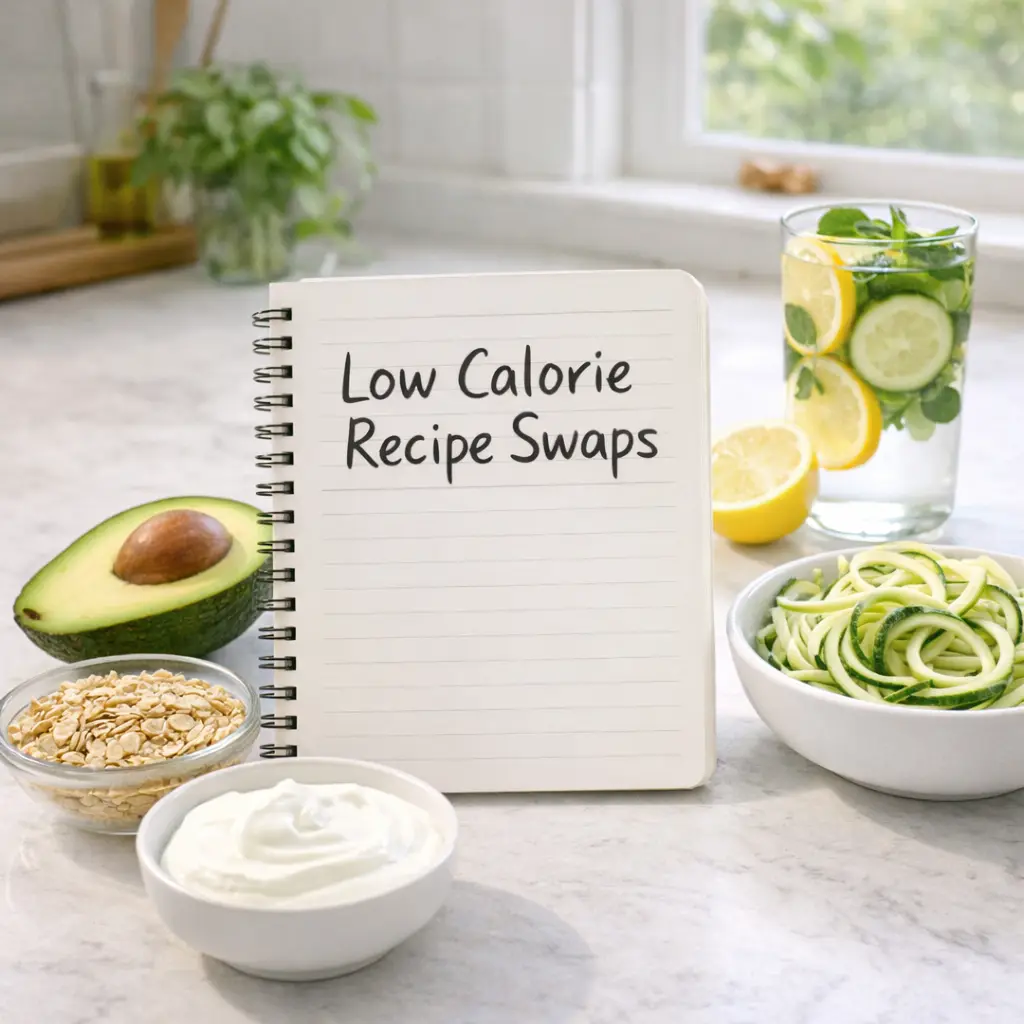
Low calorie recipe swaps have truly changed the way I cook at home. Over the years, I’ve learned that eating lighter doesn’t mean giving up comfort food or family favorites. Instead, it means making smart, simple changes that lower calories while keeping meals satisfying and full of flavor. And honestly, once you get the hang of it, it feels natural.
In this article, I’ll walk you through practical low calorie recipe swaps that fit into real life. Whether you’re trying to manage your weight, cook healthier for your family, or simply feel lighter after meals, these ideas are for you. You don’t need fancy ingredients or strict rules. You just need a few reliable ingredient substitutions and a better understanding of how small changes add up.
We’ll cover healthy swaps for breakfast, lunch, dinner, snacks, and even baking. You’ll also learn how to replace high-calorie ingredients like butter, sugar, cream, and white pasta with lighter alternatives that still taste good. Along the way, I’ll share tables and examples to make everything clear and easy to follow.
By the end, you’ll know how to use low calorie recipe swaps in your everyday cooking without feeling restricted. You’ll see how to turn common meals into lighter, balanced dishes that support weight management and healthy eating habits. Most importantly, you’ll feel confident making changes that work for your lifestyle.
Let’s start simple and build from there.
Print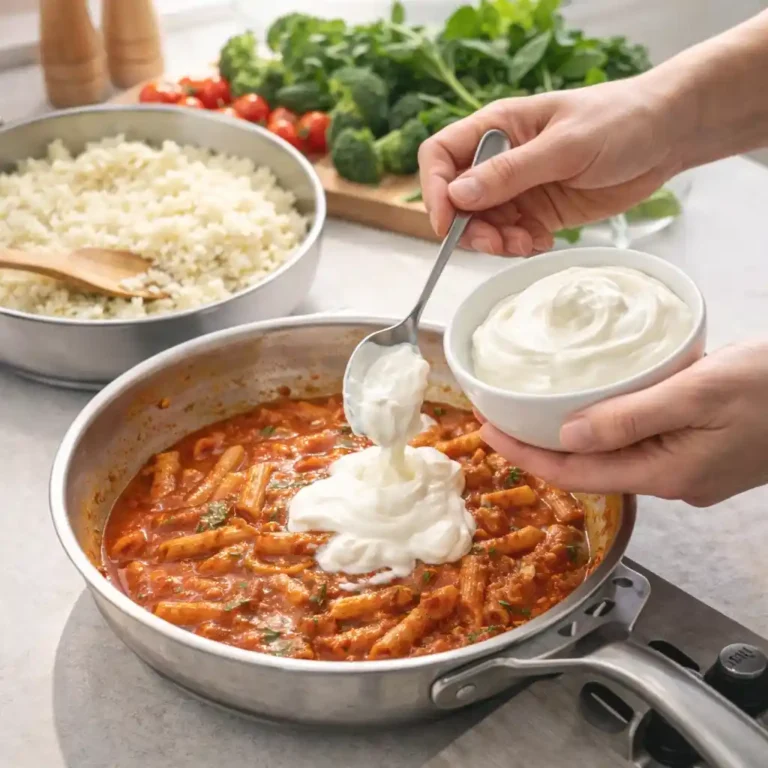
How to Brew Cold Brew Coffee
Learn how to brew cold brew coffee at home using coarse ground coffee, filtered water, and simple steeping steps for a smooth, low-acid flavor.
- Total Time: 18 hours
- Yield: 4 servings 1x
Ingredients
- 1 cup coarse ground coffee
- 4 cups filtered water (for concentrate)
Instructions
- Add coarse ground coffee to a mason jar or container.
- Pour filtered water over the coffee using a 1:4 ratio for concentrate.
- Stir gently to fully saturate the grounds.
- Cover and steep for 12 to 18 hours at room temperature or in the refrigerator.
- Strain through a fine mesh sieve, cheesecloth, or coffee filter.
- Dilute concentrate with water or milk to taste and serve over ice.
Notes
Use a coarse grind to avoid bitterness. For ready-to-drink cold brew, use a 1:8 coffee to water ratio. Store in an airtight container in the refrigerator for up to 5 days.
- Prep Time: 10 minutes
- Cook Time: 0 minutes
- Category: Beverage
- Method: Cold Brew
- Cuisine: American
- Diet: Vegetarian
Nutrition
- Serving Size: 1 glass
- Calories: 5
- Sugar: 0g
- Sodium: 5mg
- Fat: 0g
- Saturated Fat: 0g
- Unsaturated Fat: 0g
- Trans Fat: 0g
- Carbohydrates: 1g
- Fiber: 0g
- Protein: 0g
- Cholesterol: 0mg
Keywords: how to brew cold brew coffee, homemade cold brew, cold brew ratio, coffee concentrate
When I first began using lowcalorie recipe swaps, I thought I had to change everything overnight. However, I quickly realized that small, steady changes worked much better. For example, instead of cutting out my favorite creamy pasta, I tried low calorie recipe swaps like using Greek yogurt in place of heavy cream. The texture stayed rich, yet the dish felt lighter and more balanced. That simple shift showed me how powerful low calorie recipe swaps can be in everyday meals.
Over time, I started applying low calorie recipe swaps to common ingredients I used daily. I replaced white rice with cauliflower rice, swapped sour cream for plain yogurt, and chose baked options instead of fried foods. Because of these low calorie recipe swaps, my meals still looked and tasted familiar, but they contained fewer calories and less saturated fat. As a result, I felt more comfortable sticking to healthier habits without feeling deprived.
What makes low calorie recipe swap so helpful is their flexibility. You don’t need a strict meal plan or expensive products. Instead, you just rethink ingredients. For instance, using mashed avocado instead of mayonnaise is one of those low calorie recipe swaps that adds healthy fats while trimming extra calories. Likewise, switching from sugary drinks to infused water is another smart low calorie recipe swaps strategy that supports weight management in a simple way.
If you’re new to this approach, start with one meal a day. Focus on easy low calorie recipe swaps that don’t change the heart of the recipe. Gradually, those small steps build confidence. Before long, low calorie recipe swaps become second nature, and healthy eating feels less like a challenge and more like a practical lifestyle choice.
What Are Low Calorie Recipe Swaps and Why They Matter
Low calorie recipe swap are simple ingredient changes that lower the calorie content of a meal without taking away flavor or comfort. In everyday cooking, that might mean choosing whole foods, lighter dairy options, or different cooking methods. Instead of feeling like you’re on a strict diet, low calorie recipe swaps help you adjust recipes in a way that feels practical and realistic.
At their core, low calorie recipe swaps focus on balance. For example, replacing heavy cream with blended cottage cheese can keep a sauce creamy while trimming excess fat. In the same way, swapping ground beef for lean turkey is another one of those low calorie recipe swaps that reduces calories but still delivers protein and taste. Because these changes are small, they are easier to maintain long term.
Many people think healthy eating requires giving up favorite meals. However, low calorie recipe swaps show that you can still enjoy familiar dishes with a few thoughtful adjustments. If you enjoy smoothies, for instance, you might like to Discover great ideas like https://slimixir.com/healthy-smoothie-for-weight-loss/ which shares lighter blend options that fit into a balanced routine. Pairing inspiration like that with smart low calorie recipe swaps makes everyday meals more supportive of your goals.
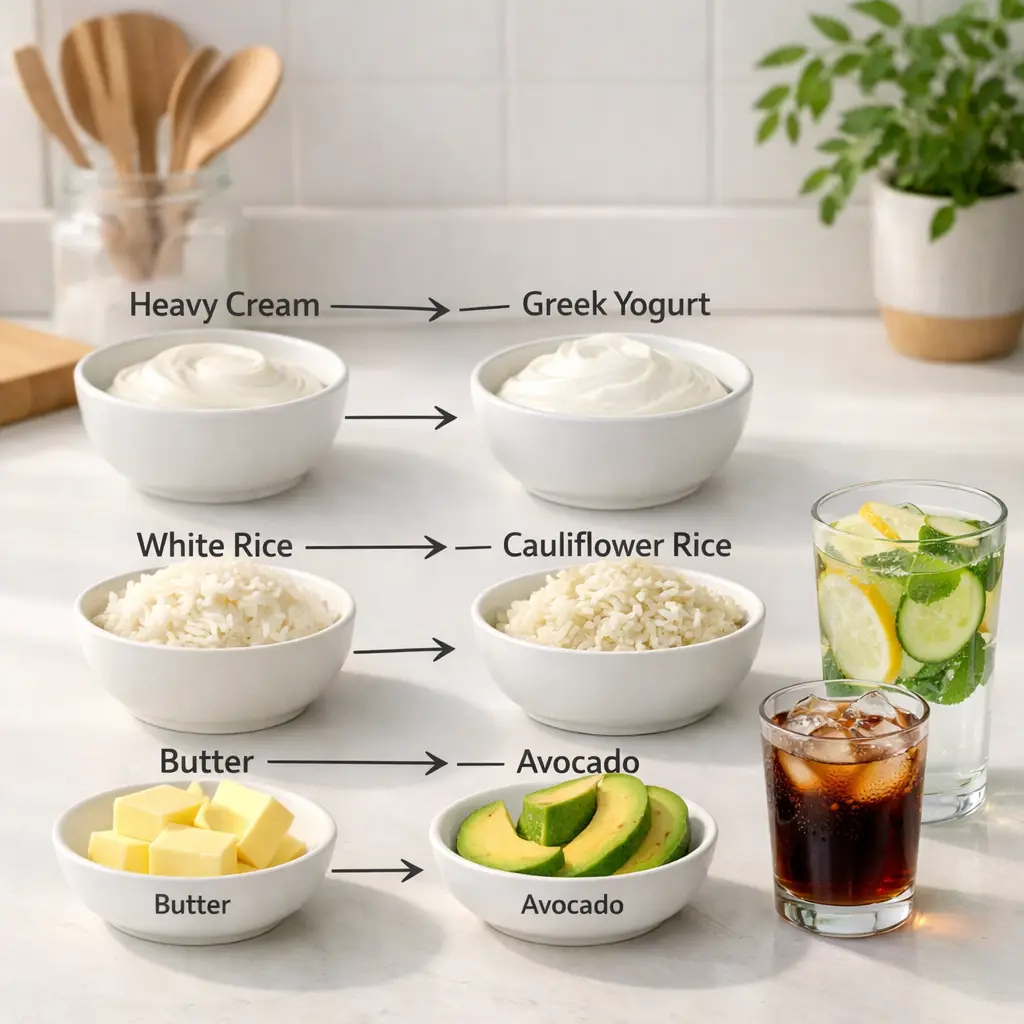
Here’s a simple comparison table to show how small ingredient substitutions can make a difference:
| High-Calorie Ingredient | Low-Calorie Alternative | Why It Works |
|---|---|---|
| Heavy cream | Greek yogurt | Creamy texture with more protein |
| White rice | Cauliflower rice | Fewer carbs, similar appearance |
| Mayonnaise | Mashed avocado | Healthy fats, rich flavor |
| Soda | Infused water | Cuts added sugar |
As you can see, low calorie recipe swaps don’t require extreme changes. Instead, they guide you toward lighter choices that still feel satisfying. Over time, these small adjustments may support weight management and healthier eating patterns. This is for general awareness, not a medical treatment. If you have specific health concerns, always speak with a qualified professional.
By understanding what low calorie recipe swap are and why they matter, you set the stage for making smarter food decisions each day. And once you see how easy it is, you’ll likely start spotting swap opportunities in almost every recipe you cook.
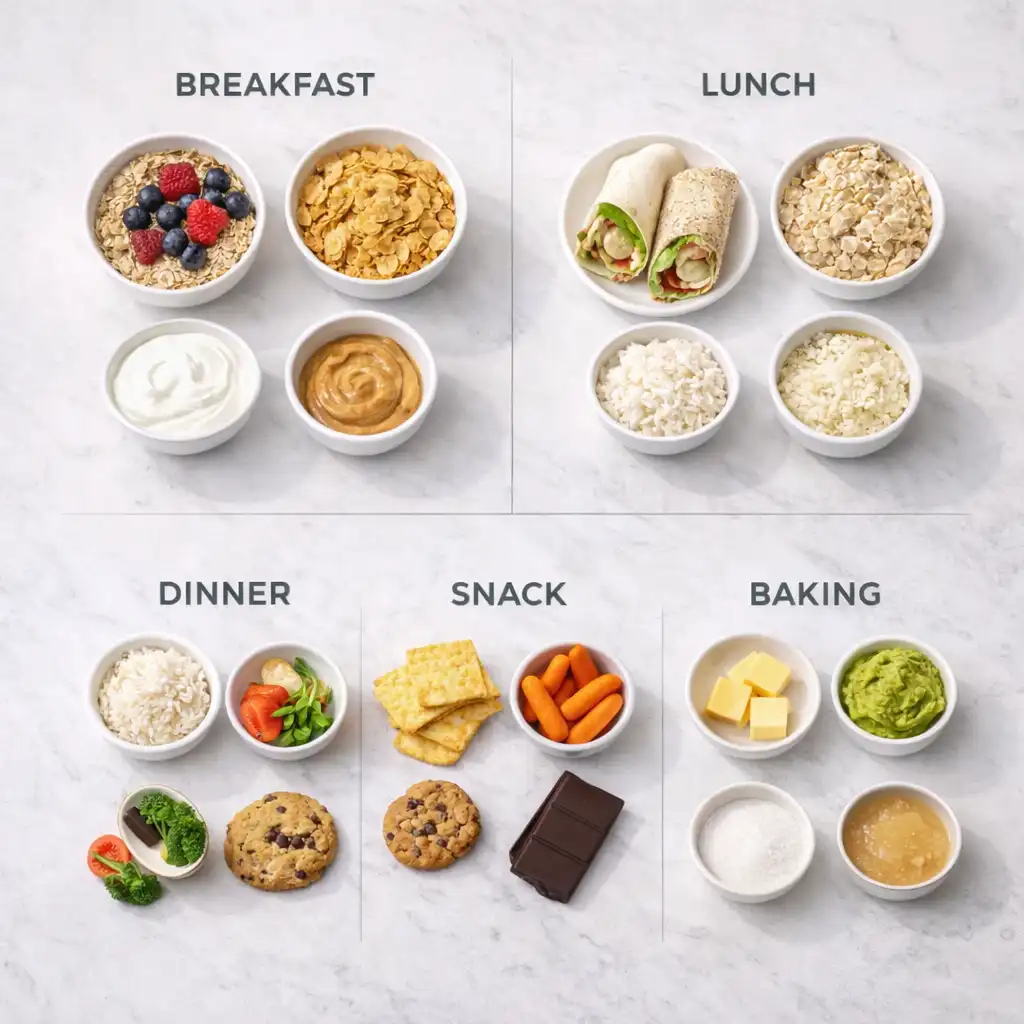
Smart Low Calorie Recipe Swap for Breakfast
Breakfast is often where calories sneak in quietly, so it’s a perfect place to start using low calorie recipe swaps. Many classic morning meals rely on sugar, refined flour, and full-fat dairy. However, with a few thoughtful low calorie recipe swaps, you can keep breakfast filling while trimming unnecessary calories.
Take pancakes, for example. Instead of using white flour, one of my favorite low calorie recipe swaps is replacing half the flour with oat flour or blended oats. This simple change adds fiber and helps you feel full longer. Likewise, swapping whole milk for unsweetened almond milk is another easy way to apply low calorie recipe swaps without changing the overall taste too much.
When it comes to eggs and toast, small adjustments make a big difference. You might keep your scrambled eggs but pair them with whole-grain toast instead of white bread. That’s one of those low calorie recipe swaps that supports better balance while keeping breakfast familiar. In the same way, using mashed avocado instead of butter is a practical approach that fits naturally into low calorie recipe swaps for everyday meals.
Smoothies are another area where low calorie recipe swaps work beautifully. Instead of fruit juice as a base, try water, unsweetened almond milk, or even brewed green tea. For inspiration, you can Check out for lighter smoothie ideas that pair well with low calorie recipe swaps at breakfast. By reducing added sugars and focusing on whole ingredients, you create a morning drink that feels refreshing rather than heavy.
Here’s a quick guide for breakfast adjustments:
| Common Breakfast Item | Lower-Calorie Swap | Benefit |
|---|---|---|
| White flour pancakes | Oat or whole-wheat blend | More fiber, steady energy |
| Sugary cereal | Plain oats with fruit | Less added sugar |
| Butter on toast | Mashed avocado | Healthy fats, fewer calories |
| Fruit juice | Unsweetened almond milk | Lower sugar content |
As you can see, low calorie recipe swaps at breakfast don’t remove enjoyment. Instead, they help you start the day feeling steady and satisfied. Once you practice these low calorie recipe swaps regularly, healthier mornings begin to feel completely normal rather than restrictive.
Easy Low Calorie Recipe Swaps for Lunch
Lunch can either keep your energy steady or leave you feeling sluggish, which is why low calorie recipe swaps matter so much in the middle of the day. Many popular lunch meals, like deli sandwiches, creamy salads, and fast-food bowls, are packed with hidden calories. However, by using low calorie recipe swap in simple ways, you can lighten your plate without losing flavor or satisfaction.
Start with sandwiches and wraps. Instead of thick white bread, choose whole-grain bread or a lettuce wrap. That’s one of the easiest low calorie recipe swaps because it reduces refined carbs while keeping the structure of your meal intact. You can also replace high-fat deli meats with grilled chicken or baked turkey. These kinds of low calorie recipe swaps still provide protein but cut down on excess sodium and fat.
Salads seem healthy, yet dressings often add more calories than the toppings. A practical approach is mixing olive oil with lemon juice instead of using creamy bottled dressings. This is where low calorie recipe swaps shine, since you’re adjusting just one ingredient but changing the entire calorie profile. Similarly, swapping croutons for roasted chickpeas adds crunch with more fiber and nutrients.
Grain bowls are another smart place to apply low calorie recipe swaps. For example, you can replace half the white rice with cauliflower rice or chopped greens. The bowl still feels full and hearty, yet the calorie load drops naturally. If you’re looking for lighter drink pairings at lunch, Don’t miss our zero-calorie-drinks for refreshing options that work well alongside low calorie recipe swaps.
Here’s a quick comparison for lunchtime ideas:
| Traditional Lunch Item | Lower-Calorie Swap | Why It Helps |
|---|---|---|
| White bread sandwich | Whole-grain or lettuce wrap | Fewer refined carbs |
| Creamy dressing | Olive oil + lemon | Cuts added fats |
| White rice bowl | Half cauliflower rice | Reduces calories, keeps volume |
| Fried chicken strips | Grilled chicken | Less saturated fat |
As you build your routine, low calorie recipe swaps become part of how you think about food rather than a strict rule. You’ll start spotting opportunities automatically, whether you’re packing a lunchbox or ordering at a café. Over time, these steady low calorie recipe swaps can support balanced eating and mindful portion control. This is for general awareness, not a medical treatment, and individual needs may vary.
Dinner Made Simple with Low Calorie Recipe Swaps
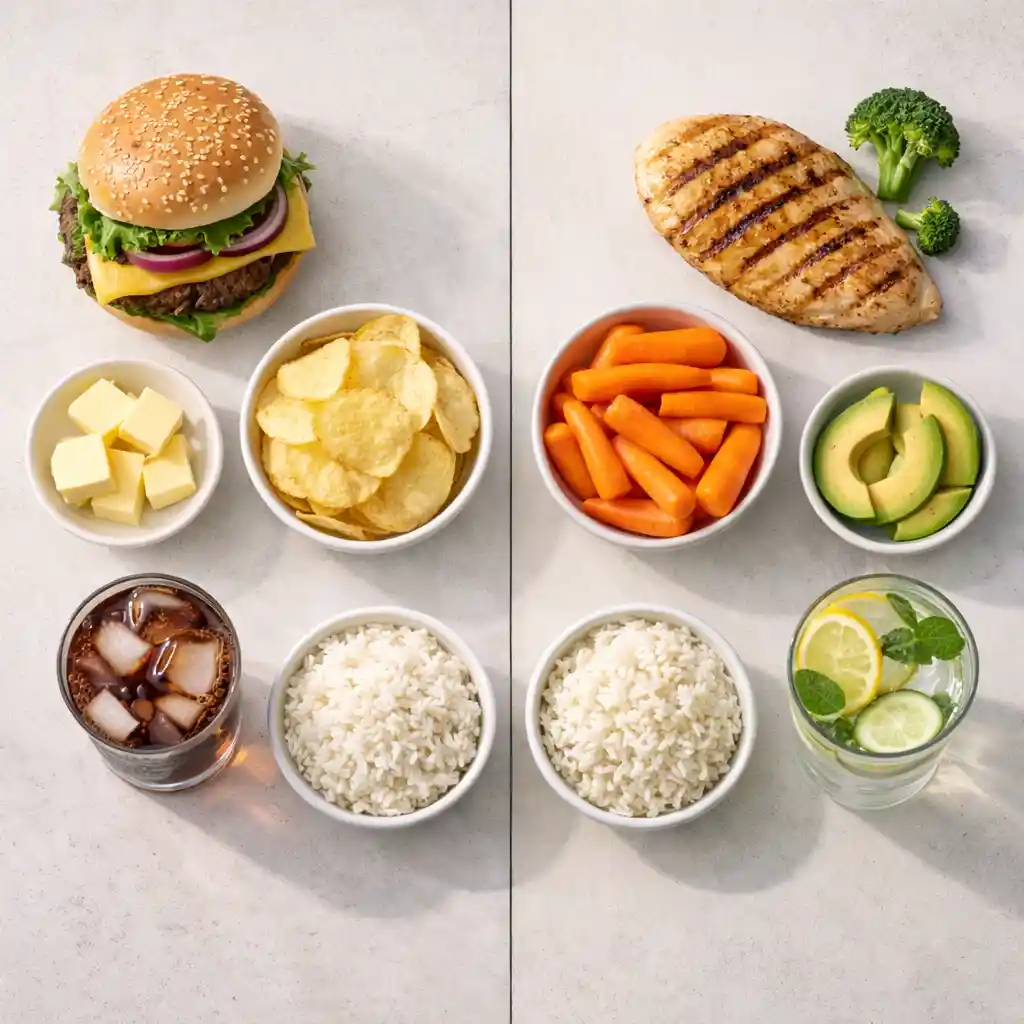
Dinner is usually the heartiest meal of the day, so it offers plenty of chances to apply low calorie recipe swaps in a balanced way. After a long day, it’s tempting to rely on creamy pastas, large portions of rice, or fried dishes. Still, with thoughtful low calorie recipe swaps, you can keep dinner comforting while making it lighter and easier on your body.
Pasta is a common favorite, yet traditional white pasta can be calorie-dense. One practical idea is replacing half your regular pasta with zucchini noodles or spaghetti squash. This approach works well because low calorie recipe swaps don’t remove pasta completely; instead, they adjust the ratio. As a result, you still enjoy the texture you love while lowering total calories.
Rice dishes are another opportunity. Swapping part of your white rice with cauliflower rice is one of those low calorie recipe swaps that blends in easily with stir-fries and grain bowls. The flavor stays familiar, especially when you season your food well. In fact, spices, herbs, garlic, and onions make low calorie recipe swaps feel satisfying rather than restrictive.
Creamy sauces can also be reworked. Instead of heavy cream, try blended cottage cheese or pureed white beans to thicken soups and sauces. These simple ingredient substitutions fit naturally into low calorie recipe swaps because they keep the dish hearty while trimming excess fat. If you enjoy soup-based dinners, Looking for inspiration? Try easy-soup-recipes-for-cold-nights for lighter meal ideas that pair beautifully with low calorie recipe swaps.
Here’s a quick dinner guide:
| Traditional Dinner Item | Lighter Alternative | Benefit |
|---|---|---|
| White pasta | Half zucchini noodles | Fewer calories, more volume |
| White rice | Half cauliflower rice | Lower carb load |
| Heavy cream sauce | Blended cottage cheese | More protein, less fat |
| Fried chicken | Baked or grilled chicken | Reduced oil content |
Over time, low calorie recipe swaps at dinner help you feel satisfied without that overly full feeling. Because you’re adjusting ingredients rather than eliminating meals, the transition feels smooth and realistic. Gradually, these low calorie recipe swaps become part of your routine, supporting steady, mindful eating habits that fit everyday life.
Low Calorie Recipe Swap for Snacks and Cravings
Snacks can quietly add hundreds of extra calories to your day, which is why low calorie recipe swaps are especially helpful between meals. Many packaged snacks are high in refined carbs, added sugars, and unhealthy fats. However, with a few smart low calorie recipe swaps, you can satisfy cravings while keeping portions and calories under control.
For salty cravings, instead of reaching for regular chips, try air-popped popcorn or roasted chickpeas. These options fit naturally into low calorie recipe swaps because they keep the crunch people love while reducing excess oil. Likewise, swapping creamy dips for Greek yogurt-based dips is another practical example of how low calorie recipe swaps make snacks lighter without losing flavor.
Sweet cravings can also be handled with balance. Rather than eating high-sugar desserts, consider plain yogurt with fresh berries and a sprinkle of cinnamon. This is one of those low calorie recipe swaps that feels indulgent yet keeps added sugar lower. In the same way, frozen banana slices blended into a creamy texture can stand in for ice cream, showing how low calorie recipe swaps can feel satisfying and simple.
Portion size matters too. Even healthy snacks can become high in calories if eaten mindlessly. That’s why combining portion awareness with low calorie recipe swap creates better results than focusing on ingredients alone. For lighter blended drink ideas that pair well with smart snack choices, Learn more about weight-loss-smoothies-shakes and see how beverages can complement your low calorie recipe swaps routine.
Here’s a quick snack comparison guide:
| Common Snack | Lower-Calorie Option | Why It Works |
|---|---|---|
| Fried chips | Air-popped popcorn | Less oil, fewer calories |
| Ice cream | Blended frozen banana | Natural sweetness |
| Sugary dip | Greek yogurt dip | More protein, less fat |
| Candy bars | Dark chocolate (small portion) | Controlled sweetness |
When you approach snacks with intention, low calorie recipe swaps help you feel in control rather than restricted. Over time, these steady adjustments can support balanced eating habits and reduce unnecessary calorie intake. As always, this information is shared for general awareness, not as a medical treatment, and individual needs may vary.
Baking with Low Calorie Recipe Swap
I used to think baking and healthy eating could never go together. Cakes, muffins, and cookies felt like “all or nothing” treats. However, once I started experimenting with low calorie recipe swaps in my kitchen, I realized I didn’t have to give up homemade desserts. Instead, I just had to rethink a few key ingredients.
Sugar is usually the first place to begin. Rather than removing sweetness completely, low calorie recipe swaps might mean reducing the sugar by one-third and adding mashed banana or unsweetened applesauce. This keeps baked goods moist while lowering overall calories. In many recipes, these low calorie recipe swaps work so smoothly that most people can’t even tell the difference.
Butter is another high-calorie ingredient that can often be adjusted. For example, swapping half the butter with plain Greek yogurt is one of those low calorie recipe swaps that maintains texture but cuts down on saturated fat. Likewise, using avocado oil in smaller amounts can be a balanced choice compared to heavier fats. The key is moderation, and low calorie recipe swaps allow flexibility instead of strict restriction.
Flour choices also matter. Replacing part of white flour with oat flour or whole-wheat flour is a practical way to apply low calorie recipe swaps while adding fiber. Even small adjustments can change how full and satisfied you feel after dessert. If you enjoy lighter drink pairings with baked treats, Check out kale-smoothie-for-weight-loss-recipe for ideas that complement your baking routine without adding excess calories.
Here’s a helpful baking comparison table:
| Traditional Baking Ingredient | Lower-Calorie Alternative | Benefit |
|---|---|---|
| White sugar | Reduced sugar + mashed banana | Natural sweetness, fewer calories |
| Full butter amount | Half butter + Greek yogurt | Lower saturated fat |
| White flour | Half oat or whole-wheat flour | More fiber |
| Heavy frosting | Light yogurt-based topping | Less sugar and fat |
Over time, low calorie recipe swaps in baking help you enjoy treats more mindfully. Instead of labeling desserts as “bad,” you learn how to adjust recipes in a realistic way. Gradually, these low calorie recipe swaps make home baking feel balanced and thoughtful, supporting healthier habits without removing the joy of sharing something sweet.
Cooking Techniques That Support Low Calorie Recipe Swaps
Sometimes it’s not just the ingredients that matter, but how you cook them. In fact, low calorie recipe swaps often work best when paired with smarter cooking methods. For example, baking, grilling, or air frying instead of deep frying can significantly reduce added oil. While the ingredients may stay similar, these low calorie recipe swaps in technique help lower total calories without changing the heart of the dish.
Roasting vegetables instead of sautéing them in heavy butter is another practical shift. A light drizzle of olive oil and a hot oven can bring out natural sweetness and crisp edges. This is where low calorie recipe swaps blend smoothly into everyday habits, because you’re adjusting the process rather than the entire recipe. As a result, meals still feel warm and comforting.
Portion control also plays a quiet but powerful role. Even the healthiest meal can become calorie-dense if portions grow too large. That’s why combining mindful serving sizes with low calorie recipe swaps creates better balance overall. For instance, using smaller plates or measuring grains before cooking can work hand in hand with low calorie recipe swaps to support steady eating patterns.
Meal prep is another helpful strategy. When you cook in advance, you’re less likely to rely on last-minute takeout. Preparing grilled proteins, chopped vegetables, and whole grains ahead of time makes low calorie recipe swaps easier to apply during busy weekdays. Instead of reacting to hunger, you’re making thoughtful choices in advance.
Over time, these cooking adjustments feel natural rather than forced. Low calorie recipe swaps are not about strict rules; they’re about awareness and small improvements. When better techniques and ingredient substitutions work together, you create meals that feel satisfying, lighter, and realistic for everyday life.
Common Mistakes When Using Low Calorie Recipe Swap
As helpful as low calorie recipe swaps can be, there are a few common mistakes that may limit their impact. At first, I thought simply buying anything labeled “light” or “diet” was enough. However, I soon realized that low calorie recipe swaps work best when they focus on whole, balanced ingredients rather than overly processed substitutes.
One mistake is replacing every ingredient at once. While enthusiasm is great, too many changes can affect taste and texture. Instead, low calorie recipe swaps should be gradual and thoughtful. For example, if you’re adjusting a pasta dish, start by swapping half the pasta for vegetables rather than removing it completely. This approach keeps meals enjoyable and sustainable.
Another issue is ignoring flavor. Some people assume that low calorie recipe swaps automatically mean bland food. In reality, seasoning makes all the difference. Herbs, garlic, citrus juice, and spices bring depth without adding many calories. When you combine bold flavors with low calorie recipe swaps, meals remain satisfying and far from boring.
Portion awareness is also important. Even with smart low calorie recipe swaps, oversized servings can still lead to excess calorie intake. Therefore, pairing ingredient substitutions with mindful portions creates better balance. It’s not about restriction; it’s about paying attention to how much and how often you eat.
Lastly, comparing your results to others can lead to frustration. Everyone’s body and lifestyle are different. Low calorie recipe swaps are tools to support healthier patterns, not quick fixes. When used patiently and consistently, these low calorie recipe swaps can fit naturally into daily life without pressure or extremes. As always, this information is shared for general awareness and not as medical advice.
Practical Tips to Make Low Calorie Recipe Swaps a Lifestyle
Making low calorie recipe swaps part of your daily routine doesn’t require a complete kitchen makeover. In fact, the best results often come from small, steady adjustments that fit your normal schedule. When I began focusing on low calorie recipe swaps, I didn’t change every meal at once. Instead, I picked one or two habits and improved them gradually.
Meal planning is one of the easiest ways to stay consistent. When you decide your weekly menu in advance, low calorie recipe swaps become intentional rather than accidental. For example, if taco night is on the calendar, you can plan to use lean ground turkey and extra vegetables. These simple low calorie recipe swaps reduce excess calories while keeping family traditions alive.
Grocery shopping with awareness also makes a difference. Reading labels and choosing whole foods supports smarter low calorie recipe swaps without relying on heavily processed items. Fresh produce, beans, whole grains, and lean proteins create a strong base. From there, low calorie recipe swaps feel natural because your kitchen is already stocked with balanced options.
Another helpful strategy is building repeatable meals. When you find recipes that work well with low calorie recipe swaps, keep them in rotation. This reduces decision fatigue and makes healthy eating easier during busy weeks. Over time, these repeated low calorie recipe swaps become habits rather than conscious efforts.
Most importantly, be patient with yourself. Lifestyle changes take time, and perfection isn’t the goal. Low calorie recipe swaps are tools to help you move toward better balance, not strict rules you must follow flawlessly. When you focus on progress instead of pressure, low calorie recipe swaps blend smoothly into everyday life and support long-term, realistic habits.
Frequently Asked Questions About Low Calorie Recipe Swaps
What are the easiest low calorie recipe swaps for beginners?
The easiest low calorie recipe swaps usually involve simple ingredient substitutions you already recognize. For example, switching from soda to infused water, replacing white rice with half cauliflower rice, or using Greek yogurt instead of sour cream are all beginner-friendly changes. These low calorie recipe swaps don’t require special cooking skills, yet they can noticeably reduce extra calories in everyday meals.
Do low calorie recipe swaps affect taste?
When done thoughtfully, low calorie recipe swaps should not dramatically change the taste of your food. In fact, many swaps keep flavor intact while improving texture or balance. Using herbs, spices, citrus, and garlic helps maintain depth, so low calorie recipe swaps feel satisfying rather than bland. The key is making gradual adjustments instead of replacing every ingredient at once.
Are low calorie recipe swaps good for weight management?
Low calorie recipe swaps may support weight management by reducing excess calories in a practical way. Instead of cutting entire food groups, these swaps focus on smarter ingredient choices and cooking methods. However, results vary from person to person. This information is shared for general awareness, not as medical advice, and individual health needs should always be discussed with a qualified professional.
Can I use low calorie recipe swaps in baking?
Yes, low calorie recipe swaps can work well in baking when applied carefully. Reducing sugar slightly, replacing part of the butter with yogurt, or blending oats into flour are common examples. These adjustments allow you to enjoy homemade treats while trimming calories. Still, balance is important so texture and flavor remain enjoyable.
How do I start using low calorie recipe swaps daily?
Start small and focus on one meal at a time. Breakfast or lunch is often the easiest place to begin. As you grow comfortable with simple low calorie recipe swaps, you can expand them into dinners and snacks. Over time, these changes become routine, helping you build steady, realistic eating habits without feeling restricted.
Conclusion
At the end of the day, cooking lighter doesn’t mean sacrificing flavor, comfort, or tradition. It simply means being more thoughtful about the choices you make in the kitchen. When you focus on quality ingredients, balanced proportions, and texture, everything starts to fall into place.
The real strength of low calorie recipe swaps isn’t in drastic changes. It’s in small, consistent improvements that feel natural and sustainable. Instead of stripping recipes down, you refine them. Instead of chasing perfection, you build balance.
And once you understand how to protect texture while making smarter ingredient choices, your meals stop feeling like “diet food.” They feel intentional, satisfying, and truly enjoyable.
For more healthy cooking inspiration and simple food ideas, you can also follow along on Pinterest.