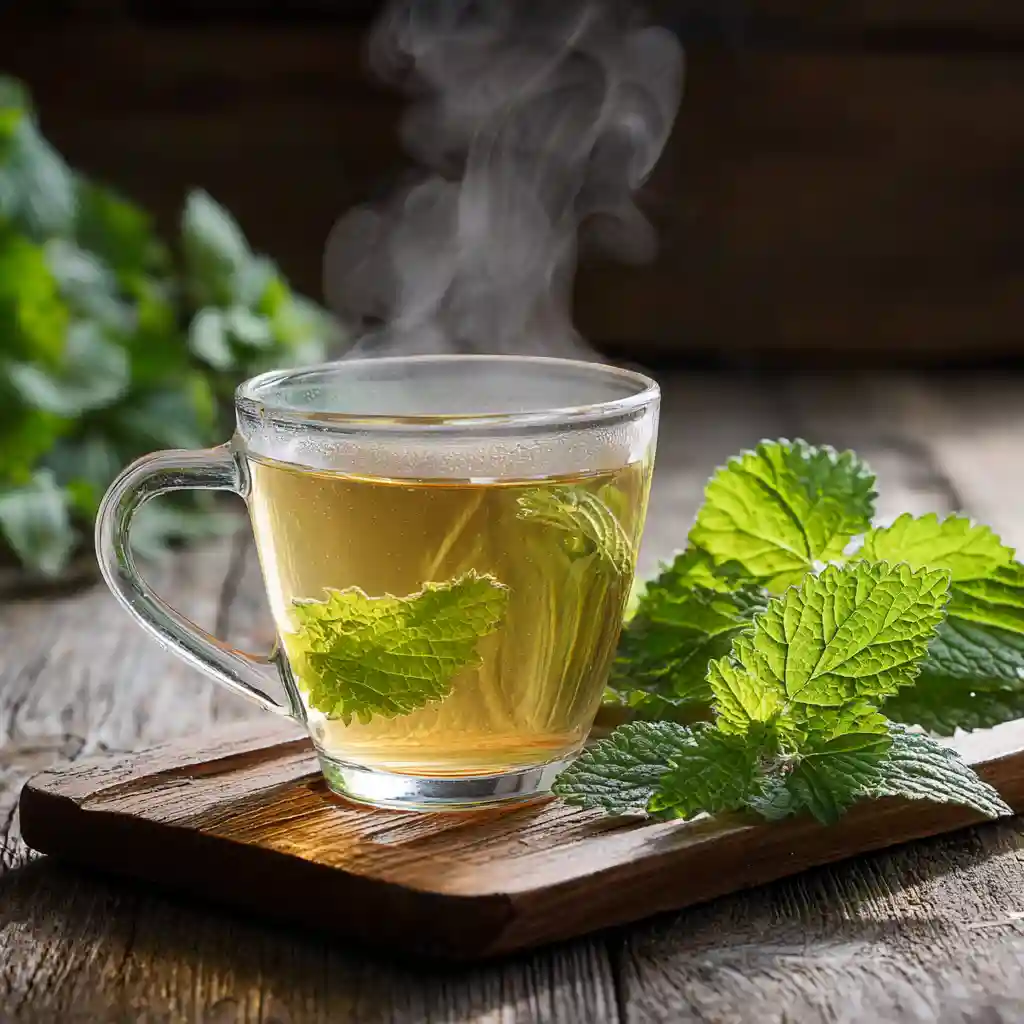
This morning, while tending to my little window herb garden, I ran my fingers over the soft lemon balm leaves. The scent was gentle, lemony, and calming—just like the tea I’ve come to treasure in my daily wellness ritual. I remember the first time I brewed lemon balm tea; it felt like sipping peace. Over the weeks, it became more than a soothing drink—it was a moment of stillness, a way to support my digestion, ease stress, and even help me feel a bit lighter on sluggish days.
This article is for anyone curious about the gentle, grounding power of lemon balm tea. Whether you’re new to herbal teas or already enjoy calming blends, I’ll walk you through everything I’ve learned—from traditional uses to the simple benefits I’ve noticed in sleep, mood, and wellness. You’ll also discover who should be cautious, how to prepare it properly, and whether it fits into your weight loss goals.
Learn more about how I mix lemon balm with citrus in this calming drink: lemon balm weight loss drink recipe.
Let’s begin with understanding what this soothing herb really is and why it’s been trusted for generations.
Print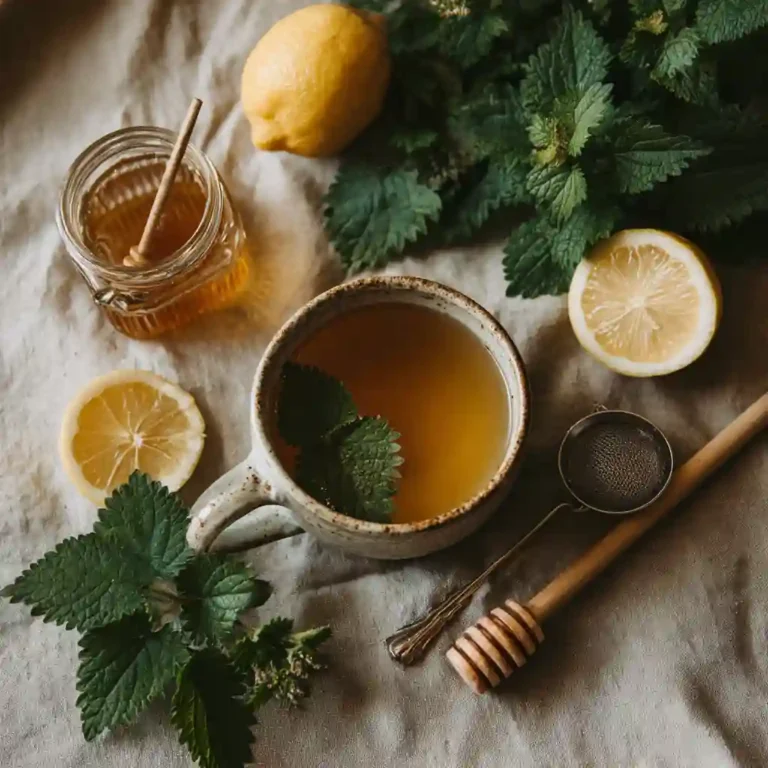
Lemon Balm Weight Loss Drink
A calming, citrusy herbal drink made with fresh lemon balm to support digestion, relaxation, and gentle weight balance.
- Total Time: 5 minutes
- Yield: 1 serving 1x
Ingredients
- 1 small handful of fresh lemon balm leaves (or 1 tbsp dried)
- 1 slice of lemon
- 1–2 cucumber slices (optional)
- 1 tsp raw honey (optional)
- 1 cup hot water
Instructions
- Lightly rinse fresh lemon balm leaves.
- Place lemon balm, lemon slice, and cucumber (if using) into a mug.
- Pour 1 cup of hot water (not boiling) over the herbs.
- Cover and steep for 5–10 minutes to preserve the calming oils.
- Remove herbs and stir in raw honey if desired.
- Enjoy warm or let cool and serve over ice as a refreshing detox drink.
Notes
For best results, enjoy this drink between meals or in the evening. Consistency is key—sip daily as part of a calming wellness routine.
- Prep Time: 5 minutes
- Cook Time: 0 minutes
- Category: Drink
- Method: Steeping
- Cuisine: Herbal Wellness
Nutrition
- Serving Size: 1 cup
- Calories: 5
- Sugar: 1g
- Sodium: 0mg
- Fat: 0g
- Saturated Fat: 0g
- Unsaturated Fat: 0g
- Trans Fat: 0g
- Carbohydrates: 1g
- Fiber: 0g
- Protein: 0g
- Cholesterol: 0mg
Keywords: lemon balm, tea, herbal tea, detox, weight loss, calming drink
What Is Lemon Balm Tea?
Understanding Lemon Balm as a Herb
Lemon balm, known by its botanical name Melissa officinalis, is a lemon-scented herb from the mint family. It grows easily in gardens, often spreading joyfully with just a bit of sunshine and water. Traditionally used in European herbal practices, lemon balm has long been celebrated for its calming properties. The leaves give off a mild citrus aroma that soothes the senses and prepares the body for rest and digestion.
Lemon balm tea benefits aren’t just folklore; many people today turn to this herb when they want a gentle way to support their wellness. It’s caffeine-free and makes a great evening drink, especially for those who wish to wind down without stimulants.
Traditional Uses in Wellness Rituals
From my own experience and stories shared by others, lemon balm tea benefits have included calming anxious thoughts, easing tummy discomfort, and promoting better sleep. It has been used for centuries in Europe as part of bedtime rituals or after a heavy meal. Some believe it gently balances emotions, making it a comforting cup on stressful days.
In many homes like mine, lemon balm tea is not just a beverage—it’s a small act of care. A moment to pause and breathe. It’s often paired with honey or mint to enhance its relaxing effects. That’s why you’ll find lemon balm growing in herb gardens, teacups, and wellness recipes across cultures.
How Lemon Balm Tea Is Made
Making lemon balm tea is simple and rewarding. You can use fresh or dried leaves. I usually pluck a small handful of fresh lemon balm, rinse it lightly, and steep it in hot water for 5 to 10 minutes. Dried lemon balm works just as well—about a tablespoon per cup of hot water. Cover your mug while it steeps to hold in the calming oils.
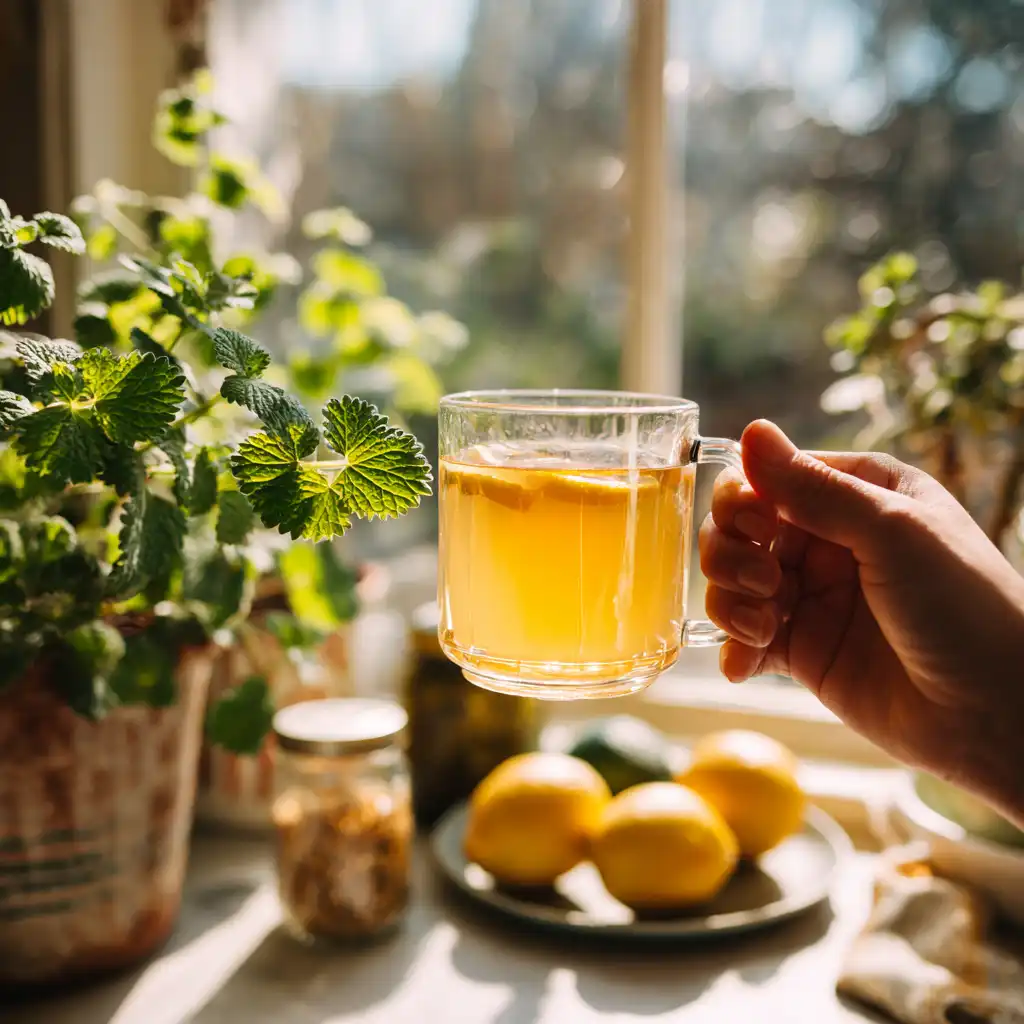
Drinking this tea regularly may support digestion, relaxation, and a general sense of well-being. Many of the lemon balm tea benefits are subtle at first but noticeable with consistency. That’s why I keep it as a quiet companion in my daily wellness routine.
Top Lemon Balm Tea Benefits You Should Know
May Support Better Sleep and Relaxation
One of the most appreciated lemon balm tea benefits is its calming effect on the nervous system. After years of trying different herbal blends, I found lemon balm to be the most soothing in the evenings. Drinking it about an hour before bed has helped me fall asleep more gently, especially on nights when my thoughts feel too busy.
This benefit isn’t new—lemon balm has been traditionally used in herbal medicine to calm restlessness and quiet the mind. Some people mix it with chamomile or lavender for an even deeper sense of relaxation. Whether enjoyed alone or with other herbs, lemon balm tea creates a peaceful moment that signals to the body it’s time to rest.
Traditionally Used for Digestive Relief and Bloating
Another gentle perk among lemon balm tea benefits is its ability to ease mild digestive discomfort. I often sip it after meals, especially when I’ve eaten something heavier or feel a bit bloated. It has a way of settling the stomach, much like mint or fennel tea, but with a softer touch.
The warm infusion may support digestion by helping the body process food more easily. In traditional wellness, it’s known as a carminative—an herb believed to help with gas and digestive tension. While everyone’s body responds differently, I’ve personally noticed that a cup of lemon balm tea brings relief without harsh effects.
For anyone navigating occasional stomach upset, especially related to stress or tension, this herbal tea can be a comforting go-to. The best part? It tastes lovely without the bitterness found in some other medicinal teas.
Potential Mental Health Benefits
May Help with Mood and Stress Balance
One of the reasons I reach for this tea during busy weeks is the way it seems to help me feel emotionally steady. Among the lesser-known lemon balm tea benefits is its traditional use as a gentle mood supporter. When I’m juggling too much or feeling low energy from stress, this tea offers a quiet kind of comfort that feels like a warm hand on the shoulder.
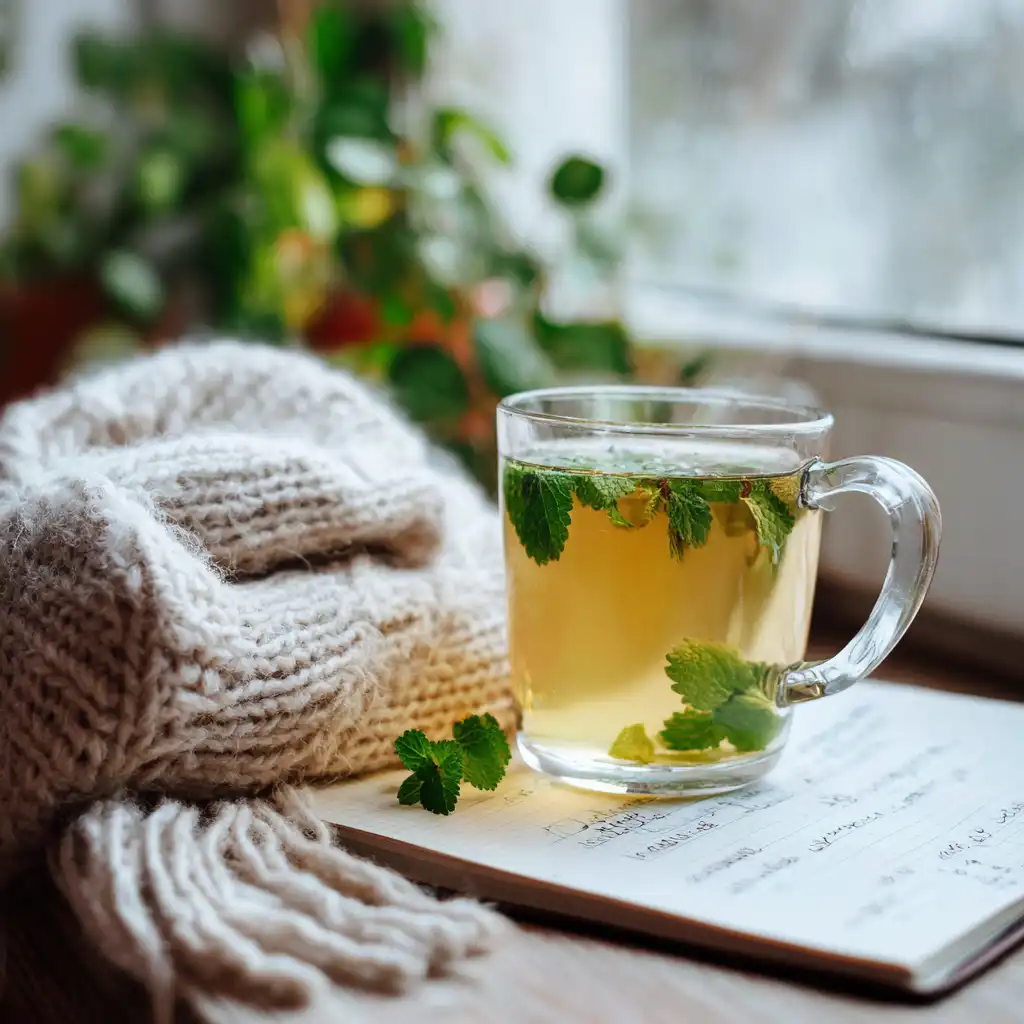
In historical herbal practices, lemon balm was used to calm nervous energy and uplift the spirit. While it’s not a replacement for professional support, it may be a kind ally in the daily rhythm of life. I often prepare a cup in the afternoon when I need to pause and reset—just a few minutes of quiet can make the rest of the day more manageable.
Cognitive Support: Focus and Mental Clarity
Lemon balm tea benefits may also include mild support for mental clarity. Some people find that the herb helps sharpen their focus without the jitteriness of caffeine. I’ve noticed that sipping it during slow mornings helps me ease into my tasks with more patience and less overwhelm.
What’s unique is that it doesn’t overstimulate—it quietly clears the fog. There’s a balanced feeling that comes with this herbal infusion, making it suitable for students, busy parents, or anyone seeking natural support during mentally demanding days.
Because it’s caffeine-free, lemon balm tea works any time of day. And when blended with herbs like rosemary or green tea, it becomes part of a mindful routine that feels both calming and mentally refreshing.
Lemon Balm Tea for Women’s Wellness
Menstrual Discomfort and Cramp Soothing
During my monthly cycle, I often look for ways to feel more grounded and at ease. One of the surprising lemon balm tea benefits I’ve personally experienced is its ability to ease mild menstrual discomfort. The warmth of the tea and its naturally calming properties make it a comforting companion during those days when I feel tense or bloated.
Lemon balm has a long tradition of being used by women to soothe the body and mind. Whether it’s physical cramps or the emotional swings that sometimes come with hormones, this tea brings a quiet softness to the experience. I usually sip it with a touch of honey or ginger for extra warmth and calm.
Hormonal Balance Support in Traditional Uses
Lemon balm tea benefits also extend to overall hormonal balance, at least according to traditional practices. While this isn’t something I’d claim as a cure, I have noticed that adding this tea to my routine gives a sense of emotional steadiness, especially during times of hormonal change.
It’s been used by women for generations to feel more in tune with their cycles and to navigate perimenopause or postpartum shifts. While everyone’s body is different, drinking lemon balm tea regularly may be a gentle addition to a wellness plan focused on natural support.
If you’re curious about trying herbal teas for hormonal health, this one might be a good place to start. Don’t miss our lemon-based weight loss drink for additional tea ideas that nourish the body.
Is Lemon Balm Tea Good for Weight Loss?
Appetite Reduction and Metabolism Support
Over the years, I’ve tried many herbal teas in my journey toward balanced living. One of the gentler supports I’ve found is lemon balm tea. While not a magic solution, one of the lemon balm tea benefits I’ve personally noticed is how it helps curb unnecessary snacking. Drinking it between meals gives me a sense of fullness and calm, which makes it easier to make mindful food choices.
Some wellness traditions believe lemon balm may influence metabolism and support the body’s natural detox rhythm. While scientific evidence is still limited, I’ve found that when I replace sugary drinks with this tea, I naturally consume fewer calories. That small shift can lead to slow and steady progress over time.
Water Retention and Detox Claims: What I Noticed
On days when I feel puffy or sluggish, a warm cup of lemon balm tea helps me feel lighter. While it doesn’t act as a strong diuretic, it may gently support the body in flushing out excess water. One of the quieter lemon balm tea benefits I appreciate is how it helps reduce that heavy, bloated feeling in the afternoon.
I like combining it with cucumber or lemon slices to create a hydrating blend that’s both soothing and refreshing. Looking for inspiration? Try these zero-calorie drinks for your detox days.
Lemon balm tea isn’t a quick-fix weight loss trick, but for those of us who value slow, steady wellness habits, it fits beautifully into a daily routine. If you’re seeking natural ways to support weight balance, this herbal tea is a kind and calming addition.
How Often Can You Drink Lemon Balm Tea?
My Daily Routine and Observations
I started drinking lemon balm tea once every few days, mostly in the evening. Over time, it became a gentle daily habit. One of the biggest lemon balm tea benefits I’ve experienced is the way it helps signal the end of a busy day. A warm cup around 7 or 8 p.m. gives me a chance to slow down, reflect, and settle into a calmer pace before bedtime.
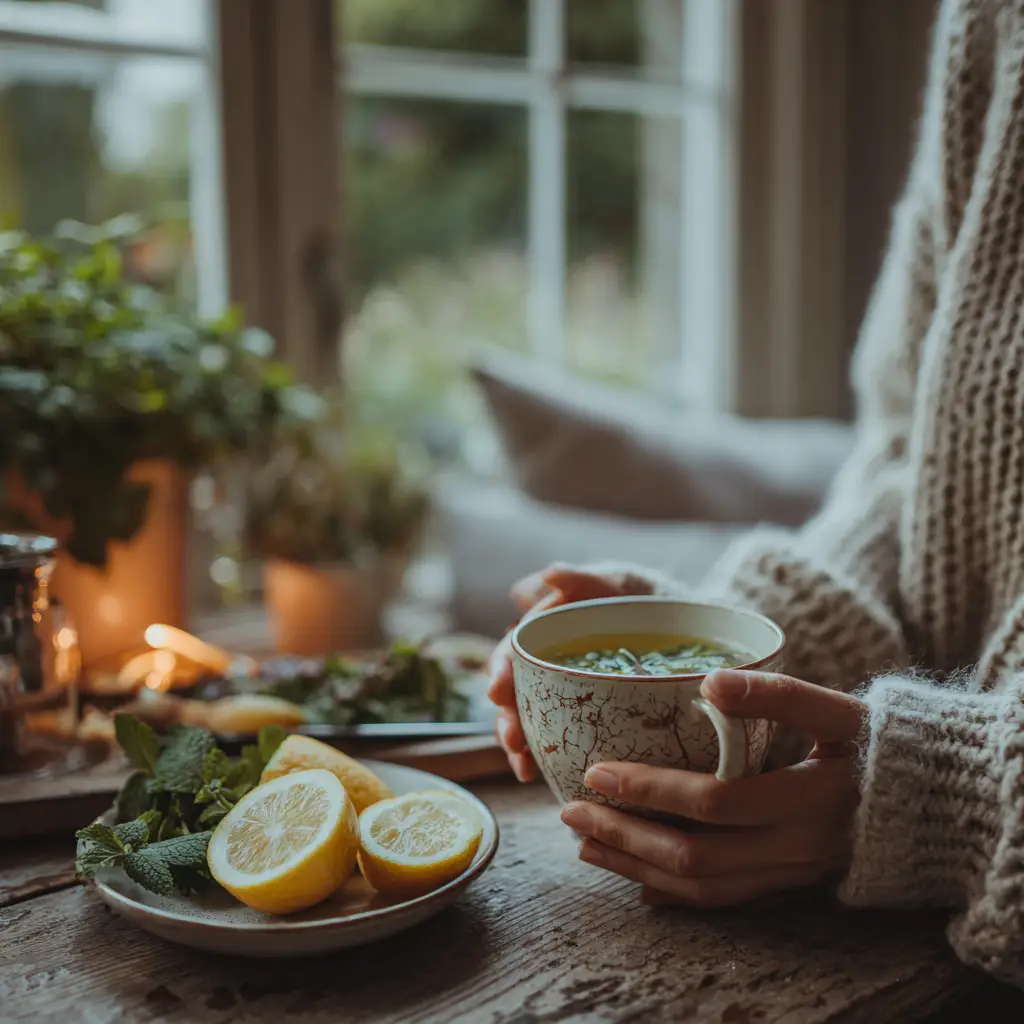
Some people enjoy this tea twice daily—once in the morning to ease into the day, and again in the evening to unwind. I’ve found once a day is enough for me, especially when paired with journaling or quiet music. Because it’s caffeine-free and not overly drying like other herbs, it fits easily into a wellness plan.
How Long Until You Feel Its Effects?
Like most natural herbal drinks, the lemon balm tea benefits build over time. You might notice a more relaxed mood within 20–30 minutes of your first cup, but the full effects often come with consistent use. I began to feel more balanced and less tense after about a week of drinking it daily.
That’s part of what I appreciate—there’s no instant buzz, just a steady sense of ease that becomes more noticeable as the days go by. It reminds me to be patient with myself and with the process of feeling better. If you’re building a gentle routine, this tea may become a valuable tool in your everyday self-care.
Check out this ginger trick if you like warm herbal brews with added benefits.
Who Should Not Drink Lemon Balm Tea?
Important Considerations for Pregnant or Breastfeeding Women
When I first began exploring herbal teas, I made sure to learn who they’re best suited for—and who should be more cautious. One of the most important things to know about lemon balm tea benefits is that, while they’re generally gentle, this tea isn’t ideal for everyone.
Pregnant and breastfeeding women should check with a qualified health provider before adding lemon balm to their routine. Although it’s a traditional herb, its effects on pregnancy or nursing haven’t been widely studied in modern research. Out of care for both mother and baby, it’s best to err on the side of caution.
In my circle, some friends avoided lemon balm tea during their pregnancies, then added it back in postpartum once their routines were more stable. As always, personal wellness choices should come with informed guidance and careful listening to your body.
Interactions with Medications and Thyroid Health
Another reason to pause before drinking lemon balm daily is if you’re on thyroid medication or have thyroid conditions. Some sources suggest the herb may influence thyroid function. I don’t take thyroid medicine myself, but I always recommend looking deeper into these considerations if it applies to you.
Likewise, if you’re taking sedatives, anti-anxiety medications, or anything that affects the nervous system, talk to your healthcare provider. One of the common lemon balm tea benefits—its calming effect—might amplify the action of those prescriptions.
As someone who values herbal support, I’ve learned that natural doesn’t always mean harmless for every situation. When in doubt, start slow and stay informed. If lemon balm isn’t right for you, there are many other teas that offer gentle comfort without potential interactions. Discover great ideas like this natural electrolyte drink for your hydration and balance.
How to Prepare and Enjoy Lemon Balm Tea at Home
Fresh Leaves vs Dried: Which Is Better?
Over the years, I’ve brewed lemon balm tea both ways—fresh from the garden and using store-bought dried leaves. Both work beautifully, and each has its charm. Fresh leaves carry a stronger citrus scent, while dried ones are more subtle and mellow. One of the hidden lemon balm tea benefits I’ve found in growing my own is the joy of connecting with the herb itself—plucking the leaves, rinsing them gently, and steeping them with care.
If you’re just starting out, a teaspoon of dried leaves or a small handful of fresh ones is perfect for one cup. Always cover your cup while steeping to capture the delicate oils that make this tea so calming.
Recipes and Pairings: Mint, Chamomile, and Honey
One of my favorite parts of this tea ritual is blending. On busy mornings, I might mix lemon balm with green tea for a light energy lift. In the evening, I love pairing it with chamomile for extra calm. The lemon balm tea benefits really shine when you find combinations that match your needs throughout the day.
A drizzle of raw honey brings out the gentle citrus flavor, and fresh mint adds a cool twist. Sometimes I’ll even drop in a slice of ginger for digestive support. These blends are simple but feel like self-care in a cup.
If you’re looking to build a calming routine at home, lemon balm tea is easy to make and adapt to your mood. Try pairing your herbal routine with this kale smoothie for weight loss for an energizing start to your day.
Frequently Asked Questions
What happens if I drink lemon balm tea every day?
From my personal experience, drinking lemon balm tea daily brings a steady sense of calm and comfort. One of the consistent lemon balm tea benefits I’ve noticed is a better evening wind-down. Over time, daily use helped me feel more emotionally grounded and physically relaxed. As with any herbal routine, moderation matters—so I stick to one cup a day and pay attention to how my body feels.
What are the benefits of lemon balm tea?
Lemon balm tea benefits include a gentle lift in mood, improved sleep quality, and support for digestion. It’s often used as a calming herbal remedy for stress and restlessness. I’ve also found it helpful for bloating and light detox routines. What makes it special is how versatile it is—you can enjoy it solo or blend it with other herbs to suit your needs.
Who should not drink lemon balm tea?
While this tea is safe for many, some people should be cautious. If you’re pregnant, nursing, or on thyroid or sedative medications, it’s wise to check with a healthcare provider first. Despite all the wonderful lemon balm tea benefits, it’s important to honor your body’s unique needs and avoid interactions that may not serve your health.
Is lemon balm tea good for weight loss?
This question comes up often, and the answer depends on your approach. While it’s not a miracle fat-burner, one of the quieter lemon balm tea benefits I’ve observed is its role in mindful eating. It may reduce unnecessary snacking and support hydration, which can naturally help with weight balance. I like pairing it with light meals and detox blends as part of a steady wellness plan.
My Honest Thoughts After Weeks of Drinking Lemon Balm Tea
Each time I sip this warm, lemony tea, I’m reminded why I began this journey with herbs in the first place—to slow down, to feel more at peace, and to care for myself in a gentle way. After several weeks of drinking it regularly, I can say the lemon balm tea benefits have earned a permanent spot in my daily rhythm.
It didn’t change everything overnight, but it brought small, steady shifts: better sleep, less evening snacking, and fewer anxious spirals on hard days. These are quiet changes, but meaningful ones. I still enjoy other herbal teas, but lemon balm feels like home. Its softness doesn’t demand attention—it just works in the background, supporting and calming.
If you’re looking for a simple herbal tea to ease into a wellness routine, I’d genuinely recommend trying lemon balm tea. And if it resonates with your body like it did with mine, it may become one of your most trusted allies in creating space for rest and clarity.
Don’t miss our blue gelatin weight loss guide for another natural support option that complements a gentle lifestyle.
This recipe is shared for informational purposes and is not a substitute for medical advice. Always consult a professional before making changes to your wellness routine.
Final Thoughts and Gentle Encouragement
As someone who values slow and mindful living, I’ve found lemon balm tea to be more than just a pleasant drink—it’s become part of my wellness rhythm. The lemon balm tea benefits I’ve experienced are subtle yet powerful: better sleep, steadier mood, and support with digestion and evening cravings. For me, this tea is like a quiet ritual that brings comfort without needing to be loud or flashy.
If you’re just starting out with herbal teas, begin with a single cup in the evening. Let it become a habit, not a task. Watch how your body responds. Over time, you might notice that this simple blend becomes a meaningful part of your daily care—just as it has for me.
Don’t miss our tips on hydration and wellness in this banana bread latte recipe—a comforting way to support balance alongside herbal teas.
For more reflections and calming routines, you’re welcome to connect with me on Facebook or browse daily inspiration on Pinterest.