Early one quiet morning, I poured a glass of plain water before preparing my usual tea. That small moment reminded me of a simple habit I once learned about while reading Japanese wellness traditions—japanese water fasting. The idea sounded gentle and practical: start the day with water and give the body time to wake up before eating. Since then, I’ve grown curious about how this routine fits into mindful daily living.
In this article, we will talk about japanese water fasting, a simple fasting method connected to a traditional hydration habit often called Japanese morning water therapy. Many people try it as part of a wellness routine focused on hydration, mindful eating, and balanced daily habits.
If you have ever wondered whether drinking water first thing in the morning has benefits, or how fasting traditions work in Japan, this guide will help you understand the basics.
This article is for readers who want to:
- Learn what japanese water fasting means
- Understand how the method works and how people practice it
- Know the possible benefits and safety considerations
- Discover practical tips for trying a gentle water routine
We will also compare this approach with other fasting styles and answer common questions people ask about hydration and fasting. Along the way, you will find helpful resources, such as what you can drink while fasting, which many readers find useful when starting a fasting routine.
Because hydration is central to this topic, we will also discuss how simple drinks and daily habits may support a balanced lifestyle. Some people combine fasting routines with refreshing beverages like lemon cucumber detox water or other light drinks during non-fasting periods.
It is important to remember that fasting traditions are often shared through culture and personal experiences. From my perspective as someone who enjoys learning about natural wellness habits, these routines can be interesting to try carefully and thoughtfully.
Disclaimer: This article is for general awareness and educational purposes only. It is not a medical treatment or a substitute for professional medical advice. If you have health conditions or dietary concerns, it is best to speak with a qualified healthcare professional before attempting fasting.
In the next section, we will begin with the most important question: what exactly is japanese water fasting and how did this wellness practice become so widely discussed?
What Is Japanese Water Fasting?
Japanese water fasting is a simple wellness practice that focuses on drinking water—often right after waking up—before eating any food. The idea is connected to a traditional habit sometimes called Japanese morning water therapy, where people begin their day with several glasses of water to support hydration and gentle digestion.
The Basic Meaning of Japanese Water Fasting
At its core, japanese water fasting means giving the body a short period without food while drinking plain water. Some people practice it for a few hours in the morning, while others may try longer fasting windows depending on their lifestyle.
In many cases, the routine is quite simple:
| Step | Practice |
|---|---|
| 1 | Drink several glasses of room-temperature water after waking up |
| 2 | Wait about 30–45 minutes before eating breakfast |
| 3 | Eat balanced meals during the day |
| 4 | Maintain hydration throughout the day |
Many readers also ask what drinks are acceptable during fasting periods. If you are curious about that topic, you can learn more about what you can drink while fasting, which explains several common options people discuss.
How This Fasting Method Became Popular in Japan
The idea behind japanese water fasting is often connected to traditional Japanese health habits that emphasize balance, simplicity, and mindful routines. In Japan, starting the morning with water has been discussed for decades as a way to refresh the body after sleep.
Over time, wellness blogs and social media introduced this practice to a wider audience. Many people outside Japan became curious about whether drinking water first thing in the morning could support hydration or help them build a consistent daily routine.
Because of this growing interest, hydration habits like warm water or herbal drinks are now commonly included in morning wellness rituals. For example, some people later enjoy gentle drinks such as lemon balm tea benefits or light herbal infusions during the day.
How Japanese Water Fasting Differs From Traditional Fasting
Unlike strict fasting methods that involve avoiding food for long periods, japanese water fasting is often more flexible. Many people simply focus on drinking water before breakfast rather than skipping meals for an entire day.
Here are a few key differences:
| Fasting Type | Typical Approach |
|---|---|
| Japanese Water Fasting | Water first thing in the morning before meals |
| Intermittent Fasting | Eating within a set time window |
| Water-Only Fasting | Drinking only water for extended periods |
Another difference is the emphasis on hydration. Many wellness guides encourage choosing simple drinks during non-fasting periods, such as zero calorie drinks or light natural beverages.
Overall, the purpose of japanese water fasting is not extreme restriction. Instead, it is often described as a mindful habit that encourages hydration and awareness of eating patterns.
In the next section, we will look more closely at what happens in the body during japanese water fasting and how hydration plays a role in this routine.
How Japanese Water Fasting Works in the Body
Many people become curious about japanese water fasting because the method appears simple: drink water, wait before eating, and let the body gradually begin the day. While the routine itself is easy to follow, it helps to understand what may happen in the body during this short fasting window.
What Happens to the Body During Water Fasting
During sleep, the body goes several hours without food. When you wake up, your body is already in a mild fasting state. Japanese water fasting continues that natural pause for a short time before breakfast.
When you drink water after waking up, several things may happen:
| Body Process | What May Occur |
|---|---|
| Hydration | Water helps restore fluids lost overnight |
| Digestion | The stomach and digestive system gradually wake up |
| Hunger signals | The body slowly prepares for the first meal |
Some people find that beginning the day with water helps them feel refreshed and more mindful about their first meal. Others prefer warm water or light herbal drinks later in the morning, such as those discussed in before sleep drink hot water routines that focus on gentle hydration habits.
Metabolism and Energy Changes During Fasting
Another topic often discussed with japanese water fasting is metabolism. After several hours without food, the body temporarily uses stored energy for normal functions.
However, this morning fasting window is usually short. Many people simply wait 30 to 45 minutes before eating breakfast. Because of this, the body still receives nutrients regularly throughout the day.
Some individuals combine mindful hydration with balanced meals and natural drinks. For example, refreshing options like natural electrolyte drink recipes may help support hydration after physical activity or warm weather.
The Role of Hydration in Japanese Water Fasting
Hydration is the central idea behind japanese water fasting. Drinking water first thing in the morning may help the body replace fluids lost overnight and prepare the digestive system for the day ahead.
A simple hydration routine might include:
- Drinking several glasses of water after waking up
- Waiting a short period before breakfast
- Continuing to drink water throughout the day
Later in the day, some people enjoy gentle fruit-infused drinks or light options such as cucumber weight loss drink for flavor and variety while staying hydrated.
The key idea is balance. Japanese wellness traditions often focus on simple daily habits rather than extreme dietary changes.
In the next section, we will discuss common methods people use when practicing japanese water fasting, including the popular morning water therapy routine.
Common Methods of Japanese Water Fasting
When people talk about japanese water fasting, they may actually be referring to a few different routines. Some follow a gentle morning water ritual, while others practice a longer japanese water fasting window before their first meal. In most cases, the goal of japanese water fasting is to begin the day with hydration and give the body a calm start before eating.
The Morning Water Drinking Practice
The most widely shared version of japanese water fasting is the morning water routine. In this habit, people drink several glasses of plain water soon after waking up. This simple version of japanese water fasting is often easier for beginners because it does not require skipping meals for long periods.
A typical japanese water fasting morning routine may look like this:
| Step | Morning Practice |
|---|---|
| 1 | Wake up and drink 3–4 glasses of room-temperature water |
| 2 | Wait about 30–45 minutes before breakfast |
| 3 | Eat a balanced meal after the short japanese water fasting window |
| 4 | Continue drinking water throughout the day |
Some people also prefer adding gentle hydration drinks later in the day once the japanese water fasting period ends. For example, refreshing options such as natural gatorade recipe may provide flavor and hydration without heavy ingredients.
Short-Term Japanese Water Fasting Routines
Another approach involves slightly longer fasting periods. In this style, japanese water fasting may extend for several hours before the first meal. People who try this version of japanese water fasting often combine it with a balanced diet during the rest of the day.
Supporters of japanese water fasting sometimes say the routine encourages more mindful eating habits. When someone waits before breakfast during japanese water fasting, they may become more aware of hunger signals and food choices later in the day.
During non-fasting hours, hydration remains important. Some individuals like light beverages such as weight loss drink lemon or other refreshing drinks after their japanese water fasting window is complete.
Differences Between Daily Water Therapy and Full Fasting
Although many people group them together, japanese water fasting and Japanese water therapy are not always identical. The therapy approach usually focuses only on drinking water in the morning. Meanwhile, japanese water fasting may involve intentionally delaying food intake for a set period.
Here is a simple comparison:
| Practice | Description |
|---|---|
| Japanese Water Therapy | Drink several glasses of water after waking |
| Japanese Water Fasting | Delay eating while drinking water only |
| Extended Water Fasting | Avoid food for longer periods |
For most beginners, the gentle version of japanese water fasting—simply drinking water before breakfast—can feel easier to follow than strict fasting routines.
In the next section, we will discuss why some people believe japanese water fasting may support wellness habits and hydration awareness, while also looking at balanced perspectives on its potential benefits.
Potential Benefits People Associate With Japanese Water Fasting
Many people become interested in japanese water fasting because it feels simple and natural. Rather than focusing on strict dieting rules, japanese water fasting encourages starting the day with hydration and giving the body a quiet moment before the first meal. Supporters of japanese water fasting often say this small routine helps them feel more mindful about their daily eating habits.
Hydration and Digestive Comfort
One reason people try japanese water fasting is to support hydration after several hours of sleep. Overnight, the body loses fluids through breathing and natural processes. Drinking water first thing in the morning during japanese water fasting may help restore those fluids.
Some individuals say that beginning the day with water during japanese water fasting helps them feel refreshed and ready for breakfast. Others enjoy adding gentle drinks later in the day once the japanese water fasting period ends, such as fruit-infused beverages like watermelon mint hydration drink.
While experiences vary, maintaining steady hydration is widely considered an important part of daily wellness routines.
Possible Support for Mindful Eating Habits
Another idea often discussed with japanese water fasting is mindfulness. When people delay breakfast slightly during japanese water fasting, they may become more aware of their hunger cues and food choices.
This short pause created by japanese water fasting may encourage slower mornings and more intentional meals later in the day. Instead of rushing into breakfast, the routine allows time for hydration and reflection.
Many people also combine japanese water fasting with balanced meals and nutrient-rich foods. Smoothies or light meals after the fasting window can help maintain energy throughout the day. For example, some readers enjoy recipes like healthy smoothie for weight loss after completing their japanese water fasting routine.
Why Some People Say Japanese Water Fasting Helps Them Feel Lighter
Another commonly shared experience with japanese water fasting is the feeling of starting the day gently. Drinking water before food during japanese water fasting may help some people feel less rushed in the morning.
Supporters of japanese water fasting often describe the routine as a reset for the day’s eating pattern. By beginning with water, japanese water fasting encourages a simple habit that places hydration before heavy meals.
Of course, responses to japanese water fasting vary from person to person. Lifestyle, diet, and individual health conditions all influence how someone feels during fasting routines.
Disclaimer: This information is shared for general awareness and educational purposes. Japanese water fasting is not a medical treatment, and individual results may vary. If you have health conditions or dietary concerns, speaking with a healthcare professional is recommended before attempting fasting practices.
In the next section, we will discuss possible risks and safety considerations of japanese water fasting, including situations where fasting may not be appropriate.
Possible Risks and Safety Considerations
Although many people discuss japanese water fasting as a gentle morning habit, it is still important to approach any fasting routine with awareness. Drinking water after waking up can be refreshing, but extending the fasting period too long may not suit everyone. Understanding potential risks helps people decide whether this practice fits their lifestyle.
When This Fasting Habit May Not Be Suitable
Some individuals should be cautious before trying japanese water fasting, especially if they have medical conditions or special nutritional needs. People who are pregnant, managing blood sugar concerns, or recovering from illness may require regular meals rather than extended fasting periods.
In these situations, a healthcare professional can provide guidance about safe eating patterns. For others, a shorter hydration-focused routine—such as drinking water before breakfast without skipping meals—may feel more comfortable than strict fasting.
Signs the Body May Need Food or Rest
Even during a gentle routine like japanese water fasting, listening to your body matters. Some people might feel lightheaded, tired, or unfocused if they delay meals too long. These signals often mean the body needs nourishment.
A balanced approach may include ending the fasting window with a light meal or refreshing drink. For example, some people enjoy simple options like cucumber weight loss drink or a nutrient-rich breakfast smoothie after their morning hydration routine.
Why Professional Guidance Can Be Helpful
Wellness trends often spread quickly online, but every person’s health situation is different. While japanese water fasting is often presented as a mild hydration ritual, longer fasting periods can place stress on the body if not practiced carefully.
Health professionals can help individuals decide whether fasting habits are appropriate for their needs. In many cases, focusing on steady hydration, balanced meals, and gentle wellness practices may provide a more sustainable routine than extreme fasting.
Disclaimer: This information is shared for general awareness and educational purposes. It does not replace professional medical advice. If you have health concerns or dietary restrictions, consult a qualified healthcare professional before attempting fasting routines.
In the next section, we will explain the well-known Japanese morning water therapy routine and how people typically practice this hydration habit step by step.
Japanese Morning Water Therapy Explained
Many people who hear about japanese water fasting eventually discover a related practice called Japanese morning water therapy. This routine focuses on drinking water right after waking up to support hydration and gently prepare the body for the day. While japanese water fasting may include delaying breakfast for a short period, morning water therapy mainly emphasizes the habit of starting the day with several glasses of water.
The Traditional Japanese Water Therapy Routine
The traditional routine connected to japanese water fasting is simple and structured. After waking up, people drink multiple glasses of room-temperature water before eating anything. The idea is to hydrate the body after sleep and allow the digestive system time to wake up naturally.
A common version of this routine looks like this:
| Step | Traditional Practice |
|---|---|
| 1 | Wake up and drink 3–4 glasses of water |
| 2 | Avoid food for about 30–45 minutes |
| 3 | Eat a balanced breakfast afterward |
| 4 | Continue normal meals during the day |
Some people say this habit helps them build a calm morning routine. After the japanese water fasting window ends, many choose light meals or refreshing drinks. For example, some readers enjoy green smoothie for weight loss as a simple breakfast option after their hydration ritual.
Step-by-Step Guide to the Morning Water Ritual
If someone wants to try a gentle version of japanese water fasting, the morning water ritual can be a practical starting point. The routine usually begins with plain water and a short waiting period before eating.
Here is a beginner-friendly approach:
- Wake up and drink water slowly rather than all at once.
- Wait about half an hour before breakfast.
- Choose balanced foods for the first meal of the day.
- Maintain hydration throughout the day.
During the rest of the day, people often prefer simple beverages that support hydration. Some like drinks such as natural electrolyte drink recipe, especially after exercise or warm weather.
Tips to Make the Habit Easier to Follow
Like any wellness routine, japanese water fasting works best when it feels comfortable and sustainable. Starting slowly can help the body adjust to drinking more water in the morning.
Helpful tips include:
- Begin with one or two glasses of water instead of several.
- Use room-temperature water if cold water feels uncomfortable.
- Pair the routine with a consistent sleep schedule.
- Follow the fasting window with nourishing meals.
Many people find that combining hydration habits with simple nutrition ideas can create a balanced routine. After completing japanese water fasting, some prefer light breakfast choices such as smoothies or fruit-based drinks like strawberry oats smoothie for weight loss.
In the next section, we will compare japanese water fasting with other popular fasting approaches, including intermittent fasting and detox-style routines.
Comparing Japanese Water Fasting With Other Fasting Methods
When I first heard about japanese water fasting, it reminded me how different cultures approach wellness in very simple ways. In many Japanese routines, the focus is not strict dieting but small daily habits—like drinking water before breakfast. Over time, I noticed that people often compare japanese water fasting with other fasting styles to understand how gentle or strict it really is.
Japanese Water Fasting vs Intermittent Fasting
One of the most common comparisons is between japanese water fasting and intermittent fasting. Intermittent fasting usually follows structured eating windows, such as eating for eight hours and fasting for sixteen.
In contrast, japanese water fasting often begins with a simple morning ritual. Instead of restricting meals for half the day, many people just drink water after waking up and wait a short time before breakfast.
Here is a simple comparison:
| Fasting Style | Typical Routine |
|---|---|
| Japanese Water Fasting | Drink water after waking and delay breakfast briefly |
| Intermittent Fasting | Eat within a daily time window |
| Extended Fasting | Avoid food for longer periods |
Because of its simplicity, japanese water fasting often feels less demanding than strict fasting schedules. Many beginners appreciate that the routine focuses on hydration rather than strict food timing.
Japanese Water Fasting vs Detox Diets
Another comparison often comes up between japanese water fasting and detox-style diets. Detox programs sometimes involve special juices, supplements, or strict menus for several days.
However, japanese water fasting is usually much simpler. The focus is plain water and a short fasting window in the morning. After the hydration period, normal meals continue throughout the day.
People who prefer balanced routines often choose this approach because japanese water fasting fits easily into everyday life. Instead of relying on complicated drink programs, some individuals simply maintain hydration and eat regular meals. For example, during non-fasting hours they might enjoy refreshing drinks like lemon cucumber detox water as part of their daily hydration habit.
Which Fasting Method May Feel Easier for Beginners
From conversations I’ve had with readers and friends, beginners often look for a routine that feels manageable. This is one reason japanese water fasting has gained attention—it can be practiced as a mild morning habit rather than an extreme fasting schedule.
Someone who is curious about fasting might begin with the hydration-focused version of japanese water fasting, simply drinking water and waiting before breakfast. Over time, they may combine this routine with balanced meals and gentle beverages like weight loss drink ginger during the day.
Of course, every person’s body and lifestyle are different. What works comfortably for one individual may not work the same way for another. The key is choosing routines that feel balanced, sustainable, and respectful of personal health needs.
In the next section, we will look at practical tips for practicing japanese water fasting safely, including preparation steps and ways to maintain healthy hydration.
Tips for Practicing Japanese Water Fasting Safely
Trying japanese water fasting can feel simple, but like any wellness habit, it works best when approached thoughtfully. Many people start with small steps, focusing on hydration and balanced meals rather than strict food restriction. When practiced gently, japanese water fasting becomes more of a mindful morning routine than an extreme fasting plan.
Simple Preparation Steps Before Starting
Before beginning japanese water fasting, it helps to prepare the body with good daily habits. Proper sleep, hydration, and balanced meals make the morning routine feel easier and more comfortable.
A few preparation tips include:
| Preparation Tip | Why It Helps |
|---|---|
| Drink enough water the day before | Supports overall hydration |
| Eat balanced meals with fiber and protein | Helps maintain steady energy |
| Avoid very heavy late-night meals | Makes morning fasting easier |
Some people also enjoy building hydration habits before starting japanese water fasting. For example, refreshing drinks like chia fresca hydration drink can be a gentle way to support fluid intake during non-fasting hours.
Healthy Foods to Eat Before and After Fasting
Nutrition still plays an important role when practicing japanese waterfasting. Since the routine usually delays breakfast for a short time, the first meal of the day should be balanced and nourishing.
Many people prefer simple breakfast options such as:
- Fresh fruit and yogurt
- Whole-grain toast with eggs
- Smoothies made with natural ingredients
For instance, a nutritious drink like kefir smoothie for weight loss may provide protein and probiotics after the japanese water fasting period ends.
Choosing balanced meals helps maintain energy levels and supports a sustainable routine.
Hydration, Rest, and Balanced Nutrition Tips
Hydration remains the central idea behind japanese waterfasting. Drinking water after waking up helps replace fluids lost overnight and prepares the body for the day.
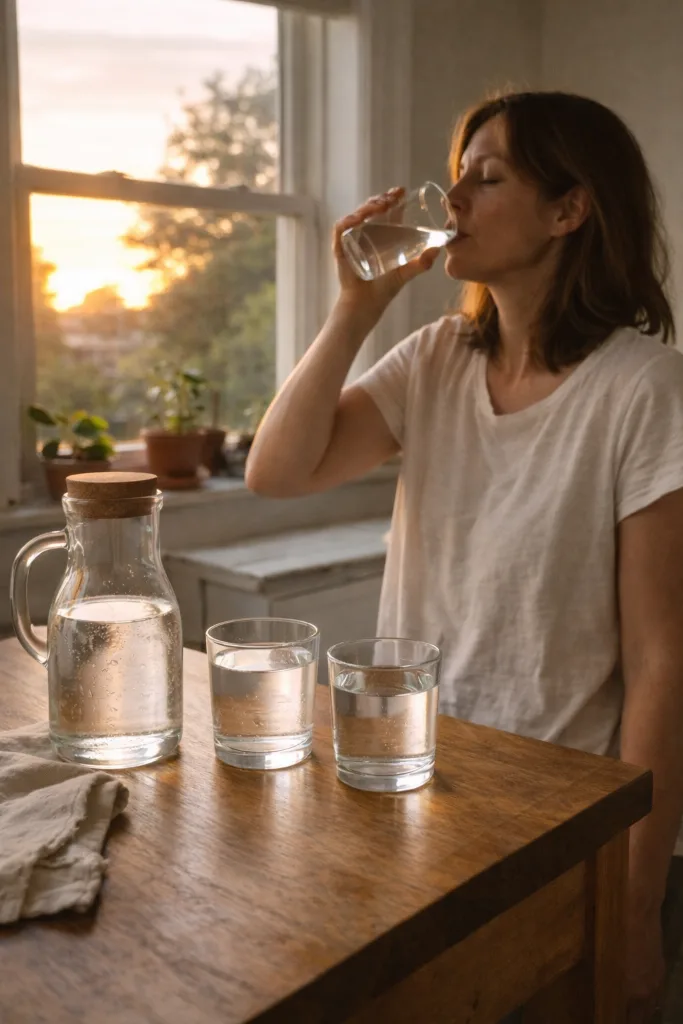
To keep the routine comfortable, consider these simple tips:
- Drink water slowly instead of all at once
- Use room-temperature water if cold water feels uncomfortable
- Listen to your body if hunger or fatigue appears
- Maintain regular meals later in the day
Some individuals also enjoy gentle beverages during non-fasting periods, such as natural electrolyte drink recipe, especially after exercise or during warmer weather.
Practicing japanese water fasting in a balanced way means focusing on hydration, nutrition, and rest rather than pushing the body too far. Small, consistent habits often make the routine easier to maintain over time.
In the next section, we will answer frequently asked questions about japanese waterfasting, including safety, timing, and common concerns people often have.
Frequently Asked Questions About Japanese Water Fasting
Is japanese water fasting safe for everyone?
Not necessarily. While japanese water fasting is often practiced as a short morning hydration habit, it may not be suitable for everyone. People who are pregnant, managing medical conditions, or taking medications that require food should speak with a healthcare professional before trying japanese waterfasting.For many healthy adults, the mild version—drinking water before breakfast and waiting briefly before eating—may feel manageable. However, extended fasting should always be approached carefully.
How long should japanese water fasting last?
In many routines, japanes water fasting lasts only 30 to 45 minutes in the morning. This short window simply means drinking water after waking up and delaying breakfast slightly.Some people experiment with longer fasting windows, but the traditional approach connected to japanese water fasting is usually brief and focused on hydration rather than strict food restriction.
What can you drink during japanese water fasting?
Plain water is the most common choice during japanes water fasting. The goal of the routine is to hydrate the body after sleep without adding calories or heavy ingredients.Once the fasting period ends, many people enjoy light drinks that support hydration. For example, some readers like refreshing beverages such as lemon cucumber detox water or other simple drinks during the day.If you want a broader overview of beverage choices during fasting periods, you can also learn more about drinks allowed during fasting.
Can japanese water fasting help with weight management?
Some individuals say that japanes water fasting helps them feel more mindful about eating habits. By starting the day with water and waiting before breakfast, people may become more aware of hunger cues and meal timing.However, it is important to remember that japanese water fasting is not a guaranteed weight-loss method. Balanced nutrition, regular activity, and healthy lifestyle habits remain important parts of long-term wellness.
Are there side effects of japanese water fasting?
Most people practicing the gentle version of japanese water fasting simply drink water and delay breakfast briefly. However, if someone extends the fasting period too long, they might experience symptoms such as fatigue, dizziness, or headaches.Listening to your body is important. If discomfort appears during japanese water fasting, eating a balanced meal and returning to a normal routine may be the best choice.Disclaimer: This information is shared for educational awareness only. Japanese water fasting is not a medical treatment. If you have health conditions or concerns about fasting, consult a qualified healthcare professional before making changes to your diet.In the final section, we will summarize the key ideas about japanese water fasting and share simple tips for building balanced hydration habits.
Conclusion: A Balanced Perspective on Japanese Water Fasting
After learning about japanese water fasting, many people realize that the practice is less about strict dieting and more about building a simple morning habit. The idea behind japanese water fasting is to start the day with hydration, allow the body a calm transition from sleep, and then move into balanced meals throughout the day.
For beginners, the gentle version of japanese water fasting often means drinking water after waking up and waiting briefly before breakfast. This small routine can help people become more aware of hydration and daily eating patterns without drastic lifestyle changes.
However, it is important to remember that japanese water fasting works best when combined with healthy nutrition and mindful habits. Drinking water alone cannot replace balanced meals, rest, and overall wellness practices. Many people pair this routine with nourishing foods and simple drinks during the day, such as refreshing options like natural electrolyte drink recipe or hydration-focused beverages.
Another helpful approach is learning about drink choices that fit well with fasting habits. If you are curious about hydration options, you can discover more drinks allowed during fasting to build a routine that feels comfortable and sustainable.
Ultimately, japanese water fasting is best viewed as a mindful wellness habit rather than a strict rule. Listening to your body, maintaining balanced meals, and staying properly hydrated remain the most important parts of any healthy lifestyle.
If you enjoy learning about natural wellness routines and simple drink ideas, you can also connect with our community for inspiration and updates. Follow our recipes and hydration tips on Facebook and find creative wellness ideas on Pinterest.
Disclaimer: This article is shared for general awareness and educational purposes. Japanese water fasting is not a medical treatment and should not replace professional medical advice. If you have health concerns or dietary conditions, consult a qualified healthcare professional before trying fasting routines.