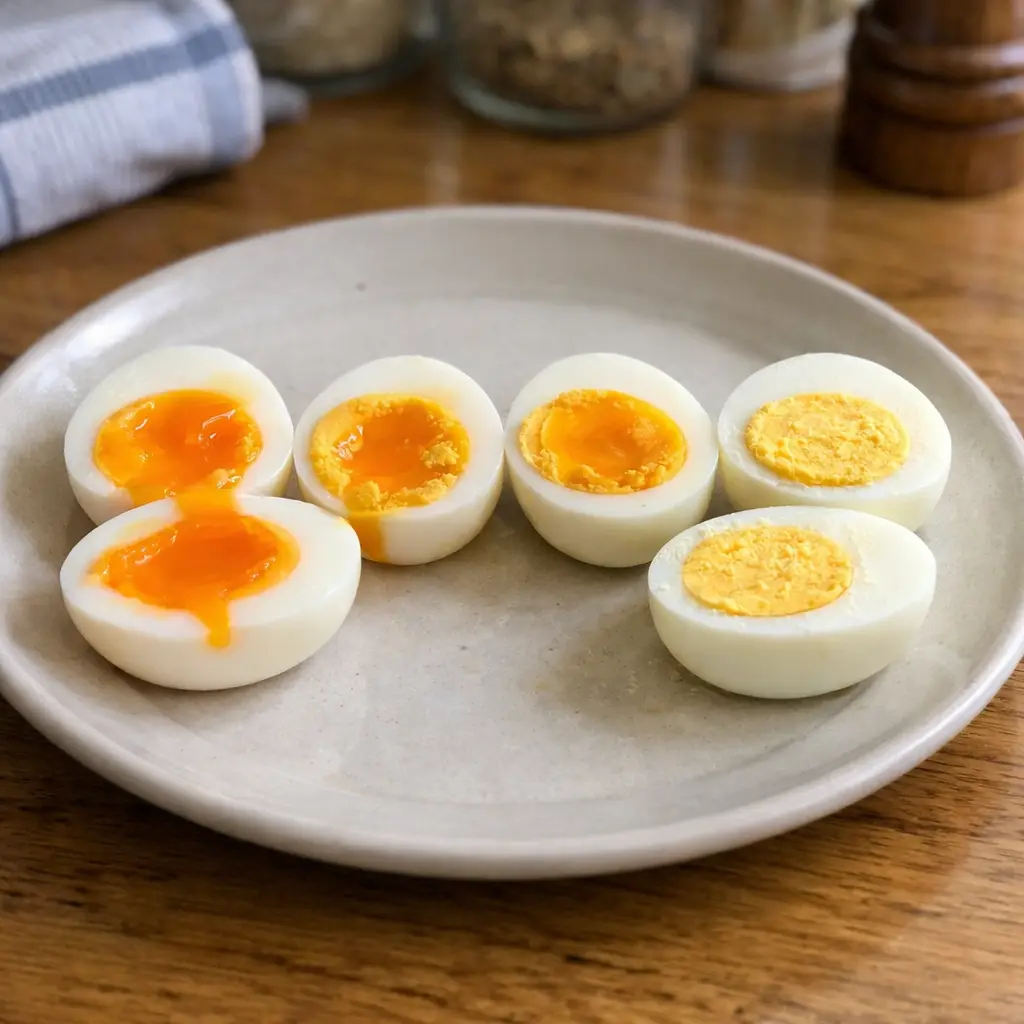
How to boil eggs perfectly is one of those simple kitchen skills that can quietly change your daily meals. Maybe you’ve sliced into an egg expecting a soft, creamy yolk, only to find it overcooked and chalky. Or perhaps you’ve struggled with shells that refuse to peel cleanly. I’ve been there too, and honestly, it can feel frustrating for something that seems so basic.
That’s exactly why this guide exists. If you’re a busy parent making quick breakfasts, someone meal prepping for the week, or just starting out in the kitchen, learning how to boil eggs perfectly will give you steady, reliable results every time. In this article, you’ll learn the exact timing for soft, medium, and hard-boiled eggs, the best method to use on your stovetop, how to cool and peel eggs easily, and how to avoid the most common mistakes. By the end, you’ll feel confident cooking eggs just the way you like them—no guesswork, no surprises, just simple success.
Boiling eggs perfectly involves understanding timing, temperature, and specific techniques, rather than just placing them in hot water. Mastering this process makes it simple and consistent, ensuring the desired results, whether soft centers, creamy middles, or fully set yolks. The upcoming guidance will include easy stovetop methods, timing charts, and effective peeling tips suitable for everyday kitchens.
Why Learning How to Boil Eggs Perfectly Matters
At first glance, eggs seem simple, yet the way you cook them can completely change your meal. When you understand how to boil eggs perfectly, you gain control over texture, flavor, and consistency. Instead of ending up with dry yolks or undercooked whites, you get eggs that match your exact preference every single time.
For breakfast lovers, knowing how to boil eggs perfectly means soft, golden centers that pair beautifully with toast or oatmeal bowls. Meanwhile, if you meal prep for busy weekdays, learning how to boil eggs perfectly helps you prepare firm, sliceable eggs that stay fresh in the fridge. As a result, your salads, wraps, and protein snack boxes instantly feel more satisfying and balanced.
Beyond taste, there’s also practicality. Eggs are affordable, rich in protein, and easy to store. However, without knowing how to boil eggs perfectly, you might waste food by overcooking or cracking them. Once you master the timing and cooling process, everything becomes smoother. In fact, understanding how to boil eggs perfectly turns a basic kitchen task into a reliable skill you can use again and again.
Print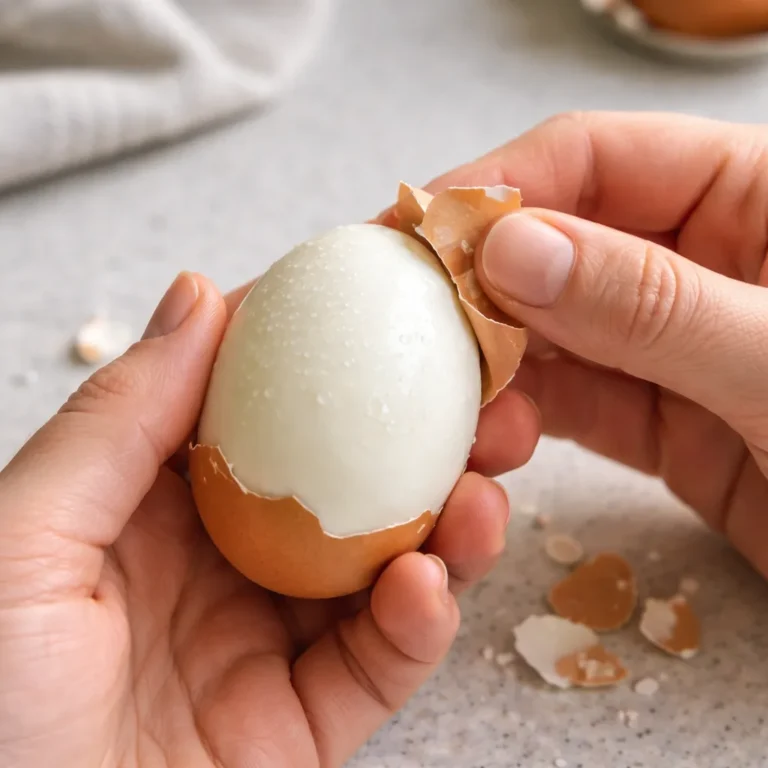
How to Boil Eggs Perfectly for Best Results
Learn how to boil eggs perfectly with simple timing tips for soft, medium, or hard boiled eggs every time. This step-by-step stovetop method ensures easy peeling, ideal texture, and consistent results for breakfast, meal prep, or snacks.
- Total Time: 15 minutes
- Yield: 4 servings
Ingredients
- Large eggs (as many as needed)
- Water (enough to cover eggs by 1 inch)
- Ice (for ice bath)
Instructions
- Place eggs in a single layer in a saucepan.
- Cover with cold water, about 1 inch above the eggs.
- Bring to a gentle boil over medium heat.
- Once boiling, reduce heat slightly and start timing: 4–5 minutes for soft, 7–8 minutes for medium, 10–12 minutes for hard boiled.
- Transfer immediately to an ice bath and cool for 5–10 minutes.
- Peel gently and serve or store in the refrigerator.
Notes
Use slightly older eggs for easier peeling. Avoid a rapid boil to prevent cracking. Store hard-boiled eggs in the refrigerator for up to 7 days.
- Prep Time: 5 minutes
- Cook Time: 10 minutes
- Category: Basics
- Method: Boiling
- Cuisine: International
- Diet: Gluten Free
Nutrition
- Serving Size: 1 egg
- Calories: 78
- Sugar: 0g
- Sodium: 62mg
- Fat: 5g
- Saturated Fat: 1.6g
- Unsaturated Fat: 3.3g
- Trans Fat: 0g
- Carbohydrates: 0.6g
- Fiber: 0g
- Protein: 6g
- Cholesterol: 186mg
Keywords: how to boil eggs perfectly, boiled eggs, soft boiled eggs, hard boiled eggs
Choosing the Right Eggs Before You Boil
Before you even turn on the stove, selecting the right eggs plays a bigger role than most people realize. If you truly want to master how to boil eggs perfectly, it helps to start with eggs that are a few days old rather than extremely fresh. Slightly older eggs tend to peel more easily, which makes a big difference when preparing hard-boiled eggs for salads or snacks.
Size also matters more than you might think. Most timing guides for how to boil eggs perfectly are based on large eggs. Therefore, if you’re using medium or extra-large eggs, you may need to adjust the cooking time slightly. Even a one-minute difference can change the yolk texture from creamy to fully set.
In addition, bringing eggs to room temperature before cooking can support better results. When eggs go straight from the fridge into hot water, they are more likely to crack. So if your goal is learning how to boil eggs perfectly without broken shells, let them sit out for about 10 to 15 minutes first. These small steps may seem minor, yet together they create a smoother, more consistent cooking experience.
Step-by-Step Method on the Stove
Now let’s get into the actual process, because understanding the steps is the heart of how to boil eggs perfectly. First, place your eggs in a single layer at the bottom of a saucepan. Then cover them with cold water, making sure the water sits about one inch above the eggs. Starting with cold water helps control temperature, which is key when learning how to boil eggs perfectly without cracks.
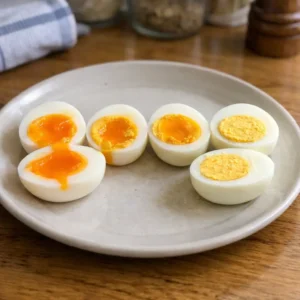
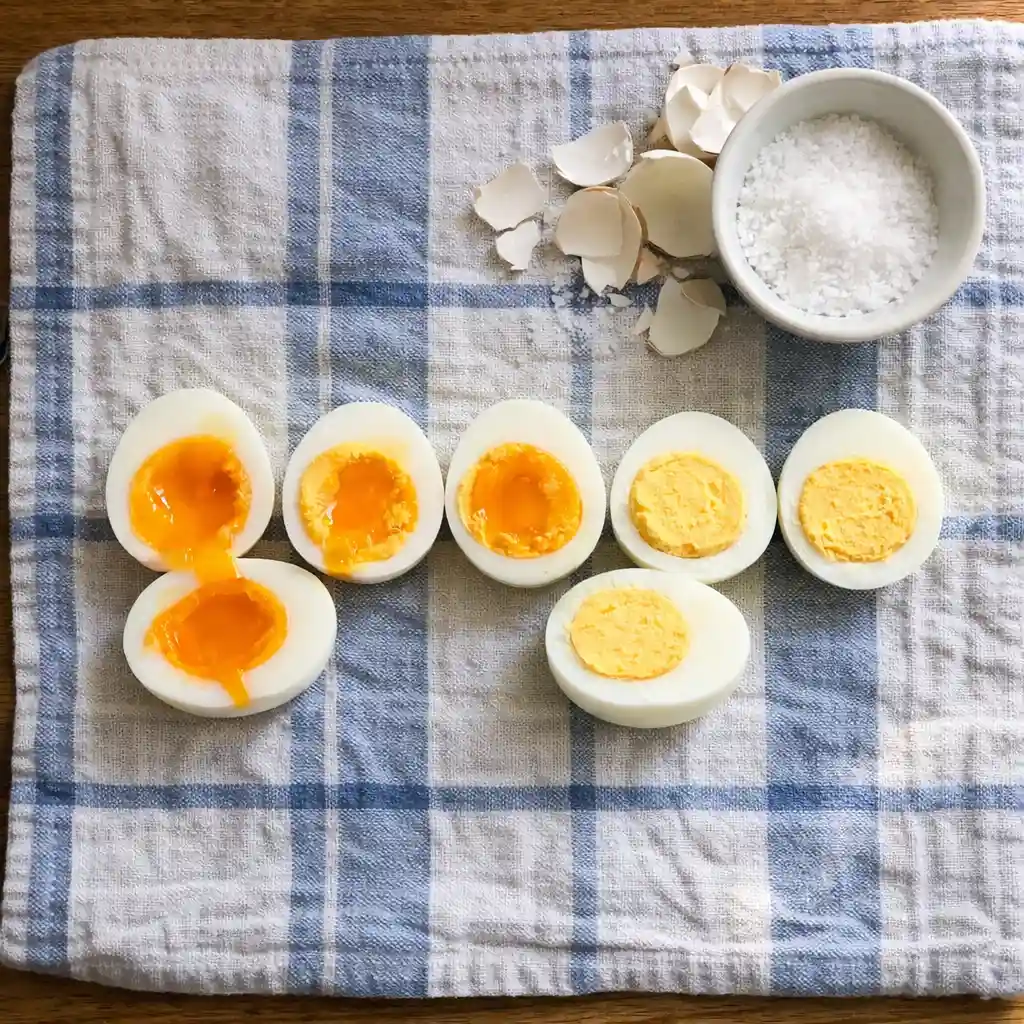
Next, turn the heat to medium and bring the water to a gentle boil. As soon as you see steady bubbles, reduce the heat slightly and begin timing. For soft-boiled eggs, cook for about 4 to 5 minutes. For medium centers, aim for 7 to 8 minutes. For firm yolks, 10 to 12 minutes usually works well. These small timing shifts are what truly define how to boil eggs perfectly for different meals.
Once the timer ends, immediately transfer the eggs to a bowl of ice water. This stops the cooking process and protects the texture you worked for. If you’re serious about mastering how to boil eggs perfectly, don’t skip this cooling step. Try this method today and notice how consistent your results become with practice.
Cooling, Peeling, and Final Texture Control
Once the cooking time is complete, the final stage is just as important as the boiling itself. If you want consistent results while learning how to boil eggs perfectly, rapid cooling is essential. Immediately placing the eggs into an ice bath stops residual heat from continuing to cook the yolk. Without this step, even eggs removed at the right time can turn slightly overdone.
After the eggs cool for at least five to ten minutes, gentle peeling becomes much easier. Tap the egg on a hard surface, then roll it lightly to loosen the shell. Starting from the wider end, where the air pocket usually sits, often leads to cleaner peeling. These small habits support anyone trying to master how to boil eggs perfectly without frustration.
Texture control doesn’t stop there. If you prefer a slightly jammy center for toast or grain bowls, you can shorten the boil by a minute next time. On the other hand, for salads or meal prep, a fully set yolk might be ideal. As you practice how to boil eggs perfectly, you’ll begin adjusting timing naturally based on your taste and recipe needs. Over time, this simple technique becomes second nature in your kitchen.
Common Mistakes to Avoid When Boiling Eggs
Even simple recipes can go wrong, and that’s especially true if you’re still learning how to boil eggs perfectly. One common mistake is boiling the water too aggressively. A rapid, rolling boil can cause the eggs to knock against each other and crack, which affects both texture and appearance. Instead, aim for a gentle boil and steady heat so you stay in control of the outcome.
Another frequent issue is overcooking. When eggs stay in hot water too long, the yolk may develop a gray-green ring and a dry texture. If your goal is mastering how to boil eggs perfectly, precise timing and immediate cooling are critical. Setting a timer and preparing your ice bath ahead of time can make the process smoother and more predictable.
Finally, skipping small preparation steps often leads to frustration. Placing very cold eggs straight into boiling water can cause cracking. Likewise, forgetting to cool them properly makes peeling harder. As you continue practicing how to boil eggs perfectly, paying attention to these details will help you avoid wasted eggs and inconsistent results. With just a little care, you’ll see steady improvement every time you cook.
Simple Meal Ideas Using Perfectly Boiled Eggs
I still remember the first time I truly understood how to boil eggs perfectly. I had planned a quick weekday lunch, yet I needed something filling, simple, and reliable. Once the eggs came out with smooth whites and tender yolks, everything else fell into place. That small kitchen win reminded me that knowing how to boil eggs perfectly can quietly upgrade everyday meals.
For breakfast, sliced soft-boiled eggs over whole-grain toast with avocado and a pinch of salt create a balanced start to the day. Meanwhile, medium-boiled eggs add a creamy texture to grain bowls or brown rice dishes. When you practice how to boil eggs perfectly, you begin thinking creatively about how to use them in wraps, salads, and protein snack boxes.
Hard-boiled eggs are especially helpful for meal prep. Stored in the fridge, they become an easy grab-and-go option during busy weeks. If you enjoy lighter cooking ideas, you might also appreciate simple swaps and balanced meal inspiration. Check out low-calorie-recipe-swaps for practical ideas that pair well with protein-rich foods like eggs. Over time, mastering how to boil eggs perfectly turns into a foundation skill that supports smarter, more flexible home cooking.
Storage Tips and Long-Term Freshness
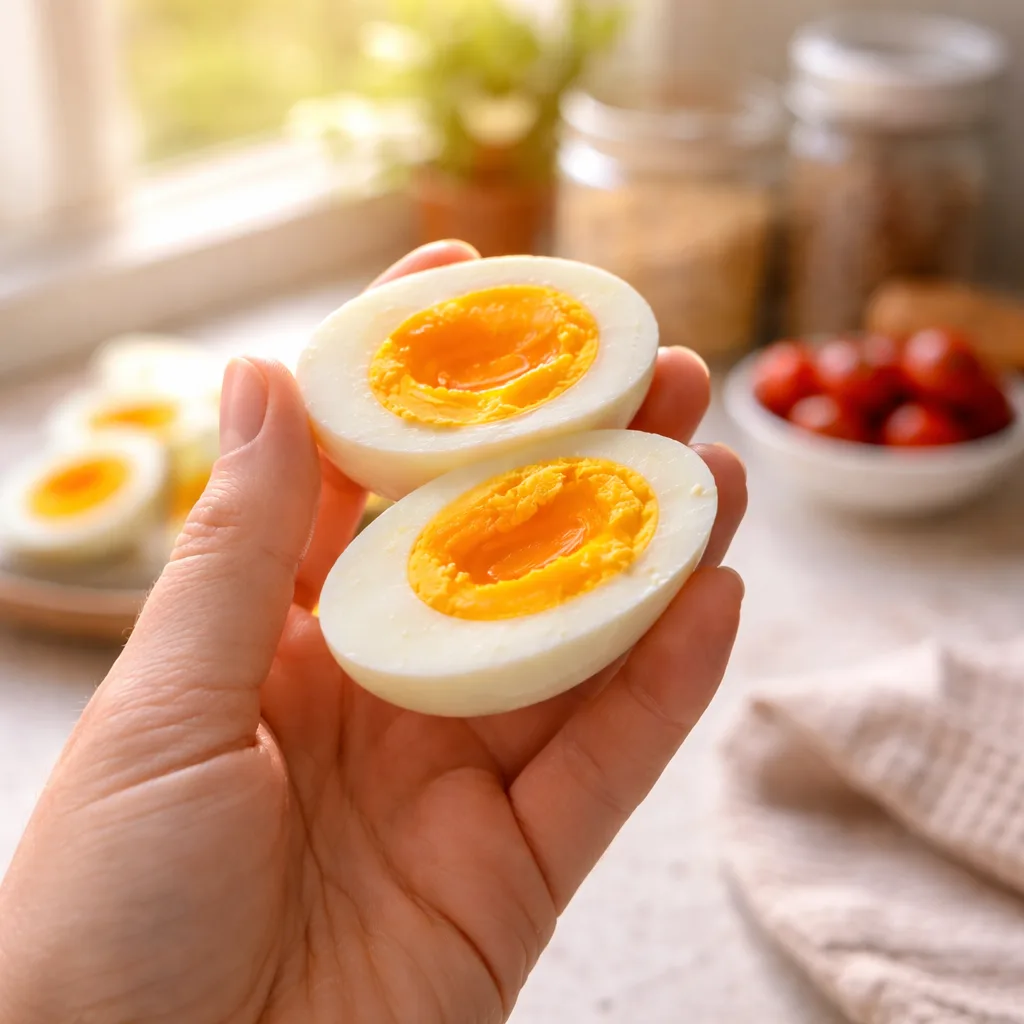
After you’ve taken the time to learn how to boil eggs perfectly, proper storage helps protect that effort. Once cooled, keep boiled eggs in their shells and place them in the refrigerator within two hours of cooking. This simple habit keeps texture steady and flavor clean throughout the week. When stored correctly, hard-boiled eggs can last up to seven days, making them a dependable option for quick meals.
If you peel them in advance, place the eggs in an airtight container and add a slightly damp paper towel to prevent drying. While it may seem like a small detail, moisture control plays a quiet role in maintaining quality. Anyone practicing how to boil eggs perfectly should treat storage as part of the full process, not an afterthought.
Additionally, label your container with the cooking date so you can rotate batches easily. That way, you avoid waste and always grab the freshest option first. Over time, combining proper cooking technique with smart storage habits reinforces your confidence in how to boil eggs perfectly, from stovetop to plate.
Frequently Asked Questions About Boiling Eggs
When people start learning how to boil eggs perfectly, a few common questions usually come up. Below are clear, practical answers to help you feel more confident in the kitchen.
How long should I boil eggs for soft yolks?
For soft, slightly runny centers, cook large eggs for about 4 to 5 minutes once the water reaches a gentle boil. Timing matters, so using a kitchen timer helps. If you’re working on how to boil eggs perfectly, small adjustments of 30 seconds can noticeably change the texture.
Why are my boiled eggs hard to peel?
Very fresh eggs tend to stick to the shell membrane, which makes peeling frustrating. Using eggs that are a few days old and placing them in an ice bath immediately after cooking can make a big difference. Many home cooks find that proper cooling is just as important as knowing how to boil eggs perfectly in the first place.
Why is there a green ring around my yolk?
A gray-green ring forms when eggs are overcooked or left in hot water too long. Although it’s safe to eat, the texture may be dry. To avoid this, follow precise timing and cool the eggs quickly. This is a key step in mastering how to boil eggs perfectly without overdoing them.
Can I boil eggs ahead of time for meal prep?
Yes, hard-boiled eggs store well in the refrigerator for up to one week when kept in their shells. Preparing them in advance is a smart way to add protein to salads, wraps, and snacks. Once you understand how to boil eggs perfectly, weekly meal prep becomes much easier and more reliable.
Frequently Asked Questions About Boiling Eggs
When people start learning how to boil eggs perfectly, a few common questions usually come up. Below are clear, practical answers to help you feel more confident in the kitchen.
How long should I boil eggs for soft yolks?
For soft, slightly runny centers, cook large eggs for about 4 to 5 minutes once the water reaches a gentle boil. Timing matters, so using a kitchen timer helps. If you’re working on how to boil eggs perfectly, small adjustments of 30 seconds can noticeably change the texture.
Why are my boiled eggs hard to peel?
Very fresh eggs tend to stick to the shell membrane, which makes peeling frustrating. Using eggs that are a few days old and placing them in an ice bath immediately after cooking can make a big difference. Many home cooks find that proper cooling is just as important as knowing how to boil eggs perfectly in the first place.
Why is there a green ring around my yolk?
A gray-green ring forms when eggs are overcooked or left in hot water too long. Although it’s safe to eat, the texture may be dry. To avoid this, follow precise timing and cool the eggs quickly. This is a key step in mastering how to boil eggs perfectly without overdoing them.
Can I boil eggs ahead of time for meal prep?
Yes, hard-boiled eggs store well in the refrigerator for up to one week when kept in their shells. Preparing them in advance is a smart way to add protein to salads, wraps, and snacks. Once you understand how to boil eggs perfectly, weekly meal prep becomes much easier and more reliable. For more practical kitchen ideas and balanced meal inspiration, check out recipes to discover simple dishes that pair well with boiled eggs.
Conclusion: Building Confidence in the Kitchen
At the end of the day, learning how to boil eggs perfectly is less about memorizing numbers and more about building confidence. Once you understand timing, cooling, and small preparation details, the process feels natural instead of stressful. What once seemed unpredictable becomes steady and repeatable.
The beauty of mastering how to boil eggs perfectly is that it supports so many meals. From quick breakfasts to balanced lunches and simple snacks, perfectly cooked eggs add protein, texture, and comfort to everyday dishes. As you continue practicing how to boil eggs perfectly, you’ll likely adjust timing based on your taste, and that flexibility is part of becoming more comfortable in your kitchen.
Start simple, follow the steps carefully, and pay attention to small changes. With a little practice, how to boil eggs perfectly will no longer feel like a guessing game but a dependable skill you can rely on anytime.
You can naturally place it in your content like this: