One quiet morning in my kitchen, I watched sunlight touch a bowl of fresh apples, cucumbers, and leafy greens waiting on the counter. At seventy, I’ve come to appreciate simple rituals. Preparing a glass of cold-pressed juice has become one of those small, peaceful moments that gently start my day. The slow press of fresh fruits and vegetables creates a drink that feels light, refreshing, and full of natural flavor.
In this article, we’ll talk about cold-pressed juice in a simple, honest way. You’ll learn what it is, how it’s different from regular juice, and why many people enjoy adding it to their daily wellness routine. We’ll also look at the nutrients found in fresh juice, the best ingredients to use, and practical tips for making it at home.
If you enjoy natural drinks, hydration blends, or simple kitchen recipes, this guide is for you. Along the way, I’ll share ideas that pair well with fresh juice, like a refreshing hydration option you can find here: Check out a refreshing watermelon mint hydration drink.
Many readers are curious about juicing tools, storage tips, and whether cold pressing keeps more natural goodness in the glass. We’ll cover all of that in a calm and practical way. You’ll also see easy recipes and common mistakes to avoid so your juice stays balanced and enjoyable.
From my experience, a glass of fresh juice doesn’t replace healthy meals. Instead, it can be a pleasant addition to a balanced diet filled with whole foods, fruits, and vegetables.
By the end of this guide, you will understand:
- What cold-pressed juice really is
- How it compares to traditional juice
- The nutrients it may contain
- How to prepare it safely at home
- Simple recipes you can try in your own kitchen
Before we begin, a gentle reminder:
This article shares traditional food ideas and personal experiences with fresh juice. This is for general awareness, not a medical treatment.
Let’s begin by understanding exactly what cold-pressed juice is and how it’s made.
What Is Cold-Pressed Juice?
Cold-pressed juice is a type of fresh juice made by slowly pressing fruits and vegetables with a special hydraulic press instead of spinning blades. Because the process works slowly and does not create heat, many people believe it helps keep the natural taste and nutrients of the ingredients closer to their original form.
Unlike traditional juicers that cut and spin produce at high speed, a cold press gently squeezes the juice from the fiber. As a result, the drink often looks smoother and tastes richer. Many home cooks and wellness enthusiasts enjoy this method because it feels closer to drinking the freshness of the ingredients themselves.
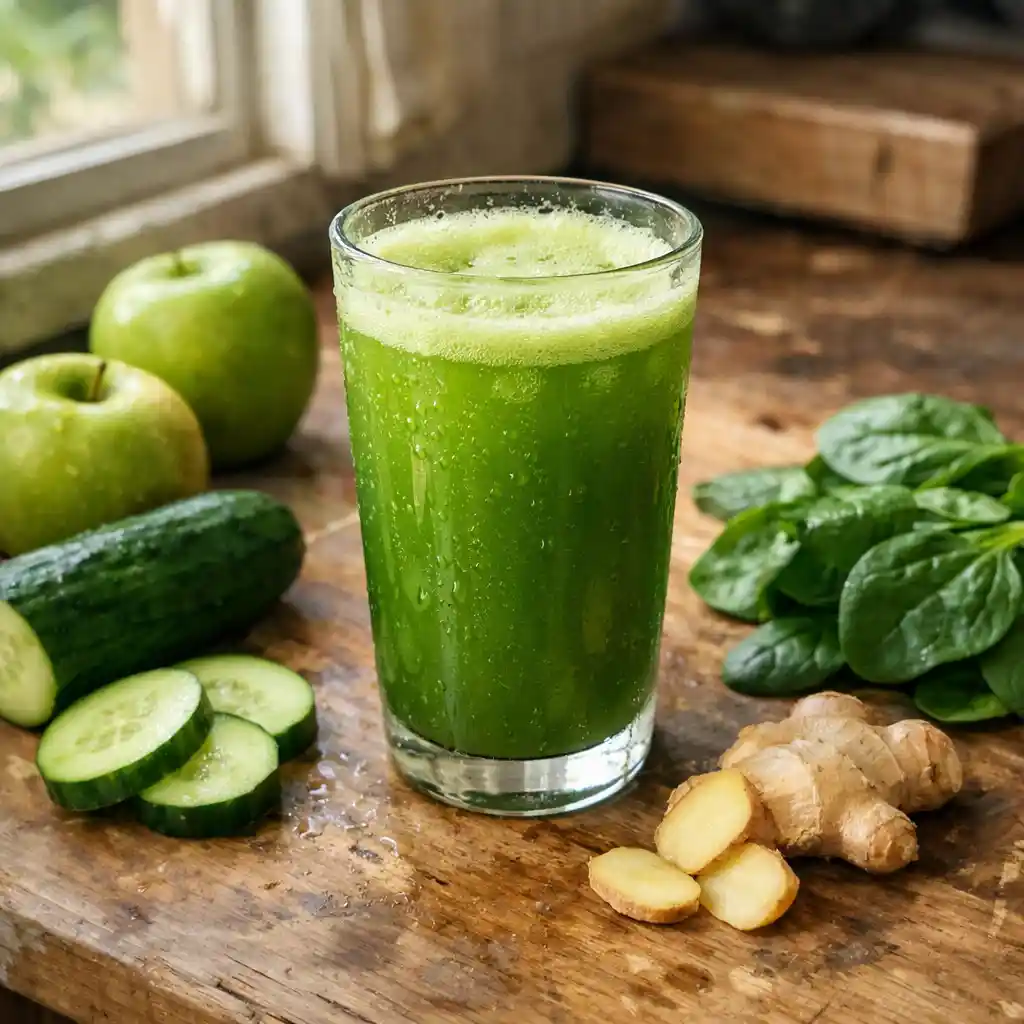
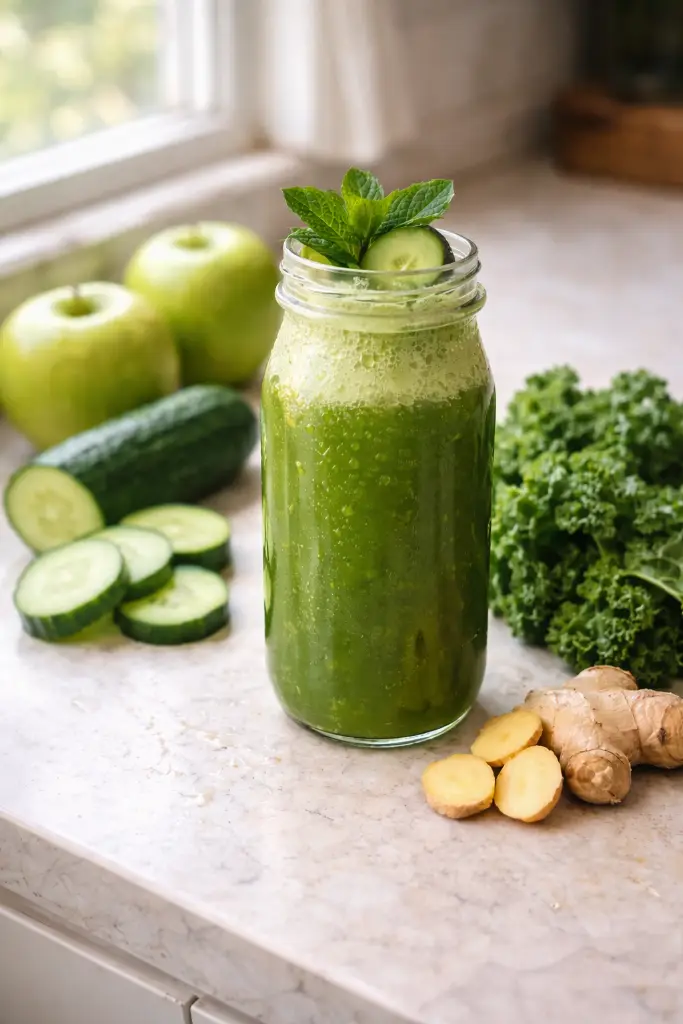
In my kitchen, I like to prepare cold-pressed juice with simple ingredients such as cucumber, apple, spinach, and ginger. The flavors blend beautifully, and the drink feels refreshing, especially in the morning.
If you’re curious about using berries in juicing, Learn more about choosing the right juicer for berries. Certain fruits, like blackberries, require the right type of juicer to get the most juice while keeping the texture smooth.
How Cold-Pressed Juice Is Made
The process of making cold-pressed juice usually involves two gentle steps.
First, the fruits and vegetables are crushed into a soft pulp. This pulp contains both the liquid and the plant fiber. Then, the pulp is wrapped in a filter bag and placed in a hydraulic press that slowly squeezes the juice out.
Because the pressure is applied gradually, the juice is extracted without the friction and heat that high-speed machines can create. Many juice lovers appreciate this slow process because it produces a clean, vibrant drink with a naturally fresh taste.
The result is a glass of juice that often feels light and refreshing. From apples and carrots to kale and cucumbers, many ingredients work beautifully in this method.
Cold-Pressed Juice vs Regular Juice
Regular juice made with centrifugal juicers spins blades very quickly. This fast motion separates the juice from the pulp, but it can introduce air into the drink and sometimes create foam.
Cold-pressed juice works differently. Since the process is slower, the liquid usually comes out smoother and with less foam. Many people say the flavor feels richer and closer to the original fruit or vegetable.
Still, both types of juice can be part of a balanced kitchen routine. The choice often comes down to personal preference, convenience, and the equipment available at home.
For people who enjoy refreshing natural drinks, pairing juice with other simple beverages can be pleasant too. Discover great ideas like a natural electrolyte drink recipe that can complement fresh juices during warm days or after activity.
Before adding any juice routine to your diet, remember that fresh juice works best alongside whole fruits, vegetables, and balanced meals.
This is for general awareness, not a medical treatment.
Nutritional Value of Cold-Pressed Juice
One reason many people enjoy cold-pressed juice is the natural nutrients found in fresh fruits and vegetables. When produce is pressed slowly, the juice carries vitamins, minerals, and plant compounds that come directly from the ingredients used. While juice should not replace whole foods, it can be a refreshing way to include more fruits and vegetables in a daily routine.
Fresh juices made from leafy greens, citrus fruits, and root vegetables often contain vitamin C, potassium, and natural antioxidants. These nutrients are commonly linked with general wellness and hydration. From my experience in the kitchen, combining vegetables with a little fruit helps keep the flavor balanced while still offering a good variety of nutrients.
For example, a simple blend of cucumber, green apple, and spinach can create a gentle, refreshing drink that many people enjoy during warm afternoons.
Vitamins and Minerals Found in Fresh Juice
Different fruits and vegetables contribute different nutrients to cold-pressed juice. Here are a few examples of ingredients often used in homemade blends:
| Ingredient | Nutrients Commonly Found | Flavor Profile |
|---|---|---|
| Apples | Vitamin C, natural sugars | Sweet and crisp |
| Carrots | Beta-carotene, potassium | Mild and earthy |
| Spinach | Iron, magnesium | Light and green |
| Cucumber | Water, electrolytes | Cool and refreshing |
| Ginger | Plant compounds traditionally used in wellness drinks | Warm and slightly spicy |
Because cold-pressed juice combines multiple ingredients, a single glass may include a wide range of plant nutrients. Still, balance is important. Many home cooks mix vegetables with small amounts of fruit so the juice stays refreshing without becoming overly sweet.
If you enjoy drinks that help support hydration throughout the day, Discover great ideas like a natural Gatorade-style drink made from simple ingredients. Natural hydration drinks can pair nicely with fresh juice during warm weather or active days.
Why Fresh Juice Feels Light and Refreshing
Another reason people like cold-pressed juice is the feeling of freshness it provides. Fruits and vegetables naturally contain water, so juice can contribute to hydration. Many individuals enjoy a small glass in the morning or as a midday refreshment when they want something light.
The smooth texture created by the pressing process also makes the drink easy to sip. Without heavy pulp, the flavors often feel clean and bright.
Some people combine juice with other natural drinks during the day. For example, a light hydration beverage such as a chia fresca drink made with seeds and citrus can complement fresh juices and provide variety in a wellness routine.
As always, it’s wise to treat juice as one part of a balanced diet that includes whole fruits, vegetables, grains, and protein sources.
This is for general awareness, not a medical treatment.
Benefits of Drinking Cold-Pressed Juice Daily
Many people include cold-pressed juice in their morning routine because it offers a refreshing way to begin the day. A small glass of cold-pressed juice made with fruits and vegetables can feel light, flavorful, and naturally hydrating. While whole foods remain essential, cold-pressed juice may help people add more plant ingredients to their daily meals in a simple way.
One benefit often mentioned by juice lovers is hydration. Because cold-pressed juice comes from fresh produce with high water content, it can contribute to daily fluid intake. Cucumbers, oranges, celery, and watermelon are popular ingredients that make cold-pressed juice especially refreshing on warm days.
Another reason people enjoy cold-pressed juice is the variety of flavors that can be created from natural ingredients. A green blend with kale, apple, and lemon produces a crisp taste, while a citrus blend gives cold-pressed juice a bright and lively flavor. Changing ingredients allows cold-pressed juice to stay interesting throughout the week.
For those who enjoy a little spice, ginger is often added to cold-pressed juice for its warm flavor and traditional use in wellness drinks. Some home cooks even pair their juice routine with small ginger-based drinks. If you enjoy ginger flavors, Don’t miss our homemade ginger wellness shot recipe, which many readers like alongside fresh juice.
Another pleasant aspect of cold-pressed juice is how easily it can fit into daily habits. Some people drink cold-pressed juice with breakfast, while others prefer it as a light afternoon refreshment. Since cold-pressed juice can be made with countless fruit and vegetable combinations, it adapts well to different tastes and seasonal produce.
Still, balance matters. Although cold-pressed juice can add fresh nutrients to your routine, it works best when combined with whole foods such as vegetables, grains, and protein sources. Drinking cold-pressed juice alongside balanced meals helps keep nutrition steady throughout the day.
Over time, many people enjoy experimenting with new ingredients to keep their cold-pressed juice routine exciting. From leafy greens to citrus fruits, the possibilities for cold-pressed juice blends are nearly endless.
This is for general awareness, not a medical treatment.
Popular Ingredients Used in Cold-Pressed Juice
Choosing the right ingredients can make cold-pressed juice both refreshing and balanced. Many people enjoy mixing fruits, vegetables, and herbs to create flavors that feel light yet satisfying. Because coldpressed juice is made directly from fresh produce, the quality of ingredients often plays a big role in the final taste.
In my kitchen, I usually keep a small selection of fruits and vegetables ready for cold-pressed juice. Apples bring natural sweetness, cucumbers add hydration, and leafy greens provide a fresh, earthy flavor. When these ingredients are pressed together, cold-pressed juice often develops a smooth taste that feels clean and vibrant.
Fruits That Make Delicious Cold-Pressed Juice
Fruits are often used in cold-pressed juice to add natural sweetness and aroma. A small amount of fruit can balance stronger vegetable flavors while keeping the drink enjoyable.
Some fruits that work well in coldpressed juice include:
| Fruit | Flavor Profile | Why It Works in Juice |
|---|---|---|
| Apple | Crisp and mildly sweet | Balances green vegetables |
| Pineapple | Bright and tropical | Adds natural sweetness |
| Orange | Citrus and refreshing | Pairs well with greens |
| Berries | Light and fruity | Adds color and gentle sweetness |
Berries can be especially interesting in cold-pressed juice, although some require the right juicer for best results. If you’re curious about juicing berries properly, Learn more about choosing the right juicer for berries to keep the texture smooth.
Vegetables and Herbs Commonly Used
Vegetables often form the base of coldpressed juice because they provide a refreshing flavor without too much sweetness. Many people prefer blending vegetables with a small amount of fruit so the cold-pressed juice stays balanced.
Popular vegetable ingredients include:
- Kale
- Spinach
- Celery
- Cucumber
- Carrot
Herbs and roots can also bring interesting character to coldpressed juice. Ginger adds warmth, while mint creates a cooling flavor that pairs well with citrus or cucumber.
For example, combining cucumber, mint, and fruit flavors can create a refreshing drink similar to a watermelon mint hydration drink many readers enjoy. These combinations show how flexible cold-pressed juice can be when experimenting with seasonal ingredients.
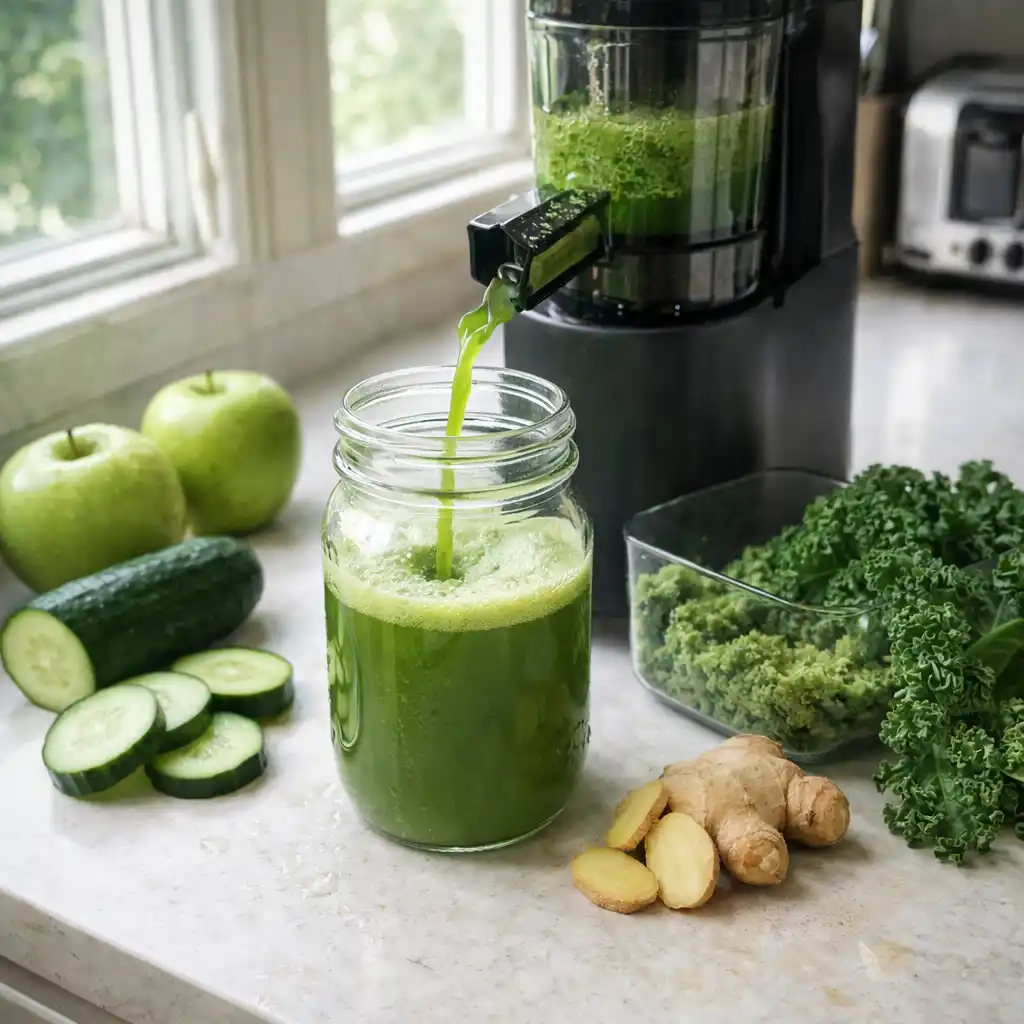
When choosing ingredients, freshness always makes a difference. Crisp vegetables, ripe fruits, and clean herbs help cold-pressed juice taste brighter and more enjoyable.
This is for general awareness, not a medical treatment.
How to Make Cold-Pressed Juice at Home
Making cold-pressed juice at home can be a calm and enjoyable kitchen activity. Many people like preparing their own juice because it allows them to choose fresh produce and experiment with flavors. When you prepare coldpressed juice yourself, you also control the balance between fruits and vegetables, which helps keep the drink refreshing rather than overly sweet.
The first step in preparing cold-pressed juice is selecting good ingredients. Fresh apples, cucumbers, celery, spinach, and carrots are common choices. Washing and cutting the produce into smaller pieces makes the pressing process easier and keeps the final juice clean and bright in flavor.
Next comes the pressing process. A slow or masticating juicer crushes the produce and gently squeezes out the liquid. This slower process is what creates cold-pressed juice, separating the juice from the fiber without high-speed spinning. Many people enjoy the smooth texture that results from this method.
Storage is also important when making coldpressed juice at home. Fresh juice usually tastes best when consumed soon after preparation. If you plan to store it, pour the cold-pressed juice into airtight glass bottles and keep them refrigerated. Most homemade juice is enjoyed within one to three days for the freshest flavor.
Some people like pairing homemade juice with other natural drinks for variety during the day. For example, you might prepare your morning coldpressed juice, then later enjoy a refreshing natural electrolyte drink made with simple ingredients to stay hydrated.
With practice, making cold-pressed juice becomes a simple routine. Over time, you may find favorite ingredient combinations and seasonal blends that make your daily juice feel special and comforting.
This is for general awareness, not a medical treatment.
Best Time to Drink Cold-Pressed Juice
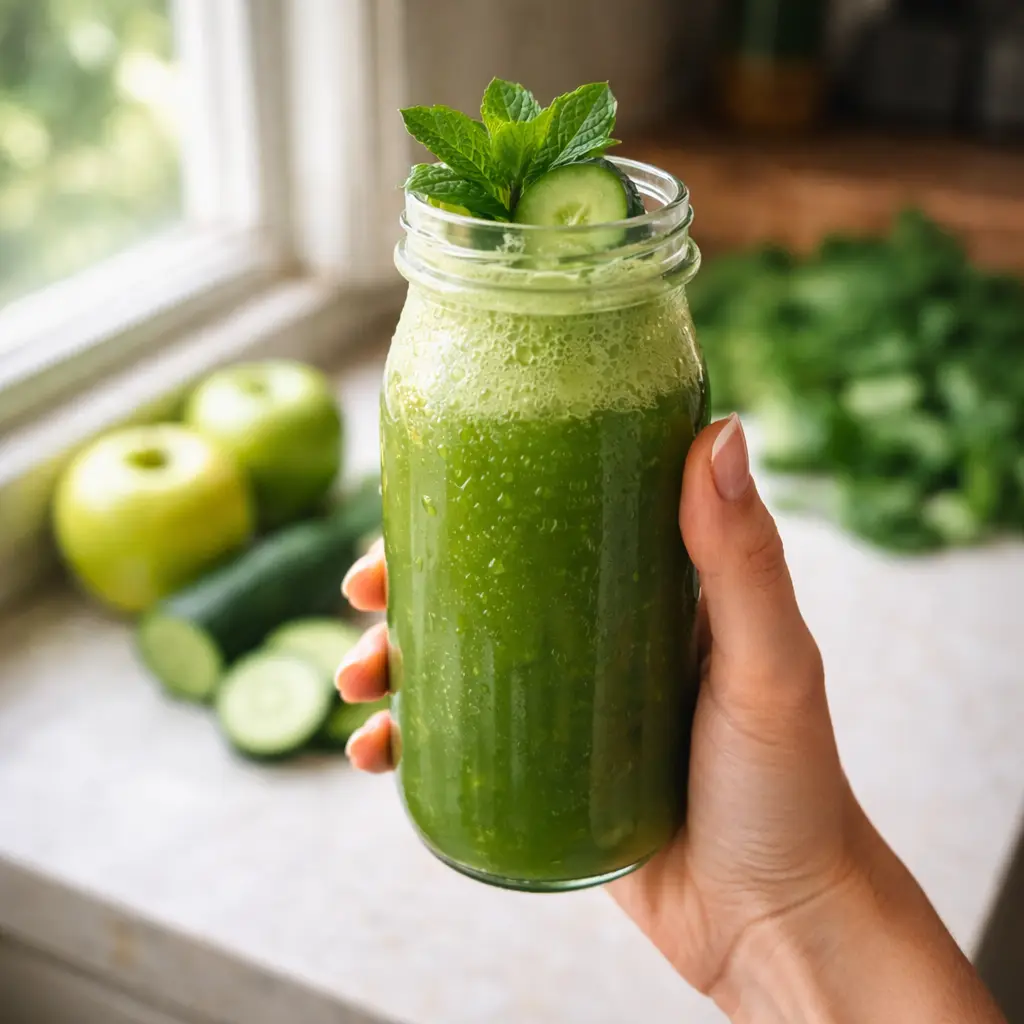
Many people wonder when coldpressed juice fits best into their daily routine. From my experience in the kitchen, timing often depends on personal habits and how the drink fits alongside balanced meals. Because cold-pressed juice is light and refreshing, many people enjoy it earlier in the day or during moments when they want something fresh and simple.
Morning Juice Routine
Morning is one of the most popular times to enjoy cold-pressed juice. After a night of rest, a small glass of fresh juice can feel crisp and hydrating. Some people prefer blends made with cucumber, apple, lemon, or leafy greens because these ingredients create a bright flavor that wakes up the palate.
Drinking coldpressed juice in the morning can also be a gentle way to introduce fruits and vegetables into breakfast. Still, many nutrition experts suggest pairing juice with whole foods such as eggs, oats, yogurt, or whole-grain toast. This combination keeps the meal balanced and satisfying.
If you enjoy experimenting with natural drinks in the morning, you might also like discovering this simple cucumber weight loss drink recipe that many readers use as part of their hydration routine.
Cold-Pressed Juice for Midday Refreshment
Another pleasant time to enjoy coldpressed juice is during the afternoon. When the day feels busy, a chilled glass of juice can provide a refreshing break. Blends with citrus, pineapple, or mint are especially popular because they taste bright and uplifting.
Some people also rotate their drinks during the day to keep flavors interesting. For example, a morning cold-pressed juice might be followed later by a refreshing natural Gatorade-style hydration drink made with fruit and natural ingredients.
The key idea is balance. Cold-pressed juice works best when enjoyed as part of a varied diet that includes whole foods, vegetables, and protein sources.
This is for general awareness, not a medical treatment.
Cold-Pressed Juice Storage and Freshness Tips
One afternoon last spring, I prepared a large batch of coldpressed juice with apples, cucumber, and a little ginger. The kitchen smelled bright and fresh, and the color of the juice reminded me of early garden mornings. But I quickly learned something important that day: fresh juice tastes best when it’s handled and stored with care.
Because cold-pressed juice is made from raw fruits and vegetables, it doesn’t contain the preservatives often found in packaged drinks. That natural freshness is part of its charm, yet it also means the juice should be stored properly. When I make cold-pressed juice at home, I usually pour it into clean glass bottles right after pressing to keep the flavor crisp.
Glass containers help protect the taste and quality of coldpressed juice. They seal tightly and limit the amount of air that touches the liquid. After filling the bottles, I place them in the refrigerator as soon as possible. Chilling cold-pressed juice quickly helps maintain its bright flavor and refreshing character.
How Long Fresh Juice Usually Lasts
Freshly made cold-pressed juice is often enjoyed within one to three days when kept refrigerated. Many people prefer drinking it within the first 24 hours because that’s when the taste is usually at its best. The color tends to stay vibrant, and the flavors feel lively and clean.
Still, small changes can happen over time. For example, the layers in cold-pressed juice may separate slightly after sitting in the fridge. This is completely natural. A gentle shake before drinking usually brings the juice back to its smooth texture.
Signs Your Juice May No Longer Be Fresh
While cold-pressed juice can stay refrigerated for a short time, it’s helpful to watch for signs that it may no longer taste its best. A strong sour smell, unusual bubbling, or a drastic change in color may indicate that the juice should be discarded.
Keeping ingredients fresh also helps extend the quality of coldpressed juice. Crisp produce and clean preparation tools make a noticeable difference in how the juice tastes over time.
Some people also like to prepare other fresh drinks alongside their juice for variety during the week. If you enjoy experimenting with natural beverages, discover great ideas like this simple lemon and ginger drink that pairs nicely with homemade juices.
Preparing cold-pressed juice at home can become a gentle routine—wash the produce, press the ingredients, bottle the juice, and enjoy it while it’s fresh. These small habits help keep every glass bright, flavorful, and refreshing.
This is for general awareness, not a medical treatment.
Common Mistakes When Drinking Cold-Pressed Juice
Preparing coldpressed juice can feel simple, yet a few small mistakes may affect the balance and enjoyment of the drink. Over the years in my kitchen, I’ve learned that thoughtful ingredient choices and balanced habits make cold-pressed juice a pleasant part of daily meals rather than something rushed or overly complicated.
One common mistake is relying only on fruit when making coldpressed juice. While fruits add natural sweetness, too much fruit can make the drink very sugary. Many home cooks prefer mixing vegetables such as cucumber, celery, or spinach with small portions of fruit so the cold-pressed juice stays refreshing and light.
Drinking Juice Without Whole Foods
Another mistake some people make is treating coldpressed juice as a full meal replacement. Fresh juice can contain vitamins and plant nutrients, but it does not provide the same fiber and protein found in whole foods. For that reason, many people enjoy cold-pressed juice alongside balanced meals rather than instead of them.
For example, a glass of juice may pair nicely with a breakfast that includes eggs, oats, yogurt, or whole-grain toast. This approach helps keep energy levels steady while still enjoying the refreshing taste of cold-pressed juice.
Choosing Juices With Too Much Fruit Sugar
Balance also matters when selecting ingredients. When coldpressed juice contains mostly fruit, the flavor may become overly sweet. Adding vegetables helps keep the taste fresh while supporting a more balanced drink.
Ingredients like cucumber, kale, celery, and lemon often bring brightness to cold-pressed juice without overwhelming sweetness. Some people also rotate juices with other light drinks during the day. For example, you might enjoy juice in the morning and later sip a simple ginger-based wellness drink for variety.
Avoiding these small mistakes helps keep coldpressed juice enjoyable and balanced. With a little attention to ingredients and meal pairing, fresh juice can remain a pleasant addition to a healthy kitchen routine.
This is for general awareness, not a medical treatment.
Simple Cold-Pressed Juice Recipes to Try at Home
Sometimes the best way to enjoy coldpressed juice is to keep the recipe simple. In my kitchen, I often reach for a few fresh ingredients that work well together and create a drink that tastes bright and refreshing. With the right combination of fruits and vegetables, cold-pressed juice can become a small daily ritual that feels both calming and satisfying.
Below are two gentle recipes that many people enjoy when beginning their cold-pressed juice routine.
Green Garden Cold-Pressed Juice
This blend is crisp, light, and perfect for mornings. The vegetables provide freshness while the apple adds just enough sweetness to keep the flavor balanced.
Ingredients
| Ingredient | Amount |
|---|---|
| Green apple | 1 |
| Cucumber | 1 medium |
| Kale leaves | 1 cup |
| Lemon | ½ |
| Fresh ginger | small slice |
Steps
- Wash all ingredients thoroughly.
- Cut the apple and cucumber into smaller pieces.
- Feed the ingredients slowly into your juicer.
- Stir the juice gently before serving.
This type of coldpressed juice often feels refreshing at the start of the day. Many people enjoy the crisp flavor created by cucumber and lemon.
Citrus Fresh Cold-Pressed Juice
For those who prefer a brighter flavor, citrus ingredients create a lively style of cold-pressed juice that works well during warm afternoons.
Ingredients
| Ingredient | Amount |
|---|---|
| Orange | 2 |
| Carrot | 2 medium |
| Pineapple | 1 cup |
| Mint leaves | small handful |
Steps
- Peel the oranges and prepare the produce.
- Slowly press the ingredients through the juicer.
- Mix the juice lightly and serve chilled.
The sweetness of pineapple and carrot makes this coldpressed juice vibrant and enjoyable without feeling too heavy.
If you enjoy experimenting with refreshing drinks, you might also like looking for inspiration? try this simple pineapple cucumber wellness drink, which many readers prepare during warm seasons.
Creating cold-pressed juice at home allows endless variations. Seasonal fruits, leafy greens, and herbs can all be combined to keep the flavors interesting throughout the year.
This is for general awareness, not a medical treatment.
Frequently Asked Questions About Cold-Pressed Juice
What is the difference between cold-pressed juice and regular juice?
The main difference is how the juice is extracted. Cold-pressed juice is made by slowly pressing fruits and vegetables to separate the liquid from the fiber. Traditional juicers often use fast spinning blades. Because the process is slower, many people feel that cold-pressed juice keeps a fresher taste and smoother texture.
Is cold-pressed juice healthy?
Fresh cold-pressed juice contains nutrients naturally present in fruits and vegetables, such as vitamins and plant compounds. Many people enjoy it as part of a balanced lifestyle that includes whole foods, vegetables, grains, and proteins. However, cold-pressed juice should not replace complete meals.
How long does cold-pressed juice stay fresh?
Homemade cold-pressed juice is usually enjoyed within one to three days when stored in sealed glass bottles in the refrigerator. Many people prefer drinking cold-pressed juice within the first day because the flavor tends to be the most vibrant.
Can I drink cold-pressed juice every day?
Yes, many people include cold-pressed juice in their daily routine. Some enjoy it with breakfast, while others drink cold-pressed juice as a midday refreshment. The key is balance—pairing juice with nutritious meals rather than relying on it alone.
What ingredients work best in cold-pressed juice?
Common ingredients for cold-pressed juice include apples, cucumbers, carrots, celery, kale, spinach, citrus fruits, and ginger. Mixing vegetables with a small amount of fruit helps keep cold-pressed juice refreshing rather than overly sweet.If you enjoy trying different natural drinks alongside your juice routine, you might also like discovering simple hydration ideas like zero-calorie drinks that complement fresh juices during the day.This is for general awareness, not a medical treatment.
Conclusion: Making Cold-Pressed Juice Part of a Balanced Lifestyle
Over the years, I’ve learned that small kitchen habits often bring the most comfort. Preparing a glass of cold-pressed juice can be one of those gentle rituals. The colors, the fresh aroma of fruits and vegetables, and the calm process of pressing ingredients all make cold-pressed juice feel like a simple moment of care in a busy day.
For many people, cold-pressed juice works best as a refreshing addition to meals rather than a replacement for them. A balanced plate with whole foods, vegetables, grains, and protein can sit comfortably alongside cold-pressed juice, creating a routine that feels nourishing and enjoyable.
Another benefit of cold-pressed juice is the creativity it brings to the kitchen. Seasonal fruits, leafy greens, herbs, and citrus can all shape different flavors. Over time, experimenting with ingredients helps turn cold-pressed juice into a pleasant daily tradition rather than just another drink.
If you enjoy learning about natural beverages and simple wellness recipes, you can also Learn more about refreshing natural drink ideas on our recipes page where many gentle kitchen creations are shared.
You’re also welcome to stay connected and see more healthy drink ideas here:
In the end, cold-pressed juice is simply one small, refreshing piece of a balanced lifestyle. With fresh ingredients, thoughtful combinations, and a little patience in the kitchen, cold-pressed juice can become a bright and enjoyable part of everyday wellness.