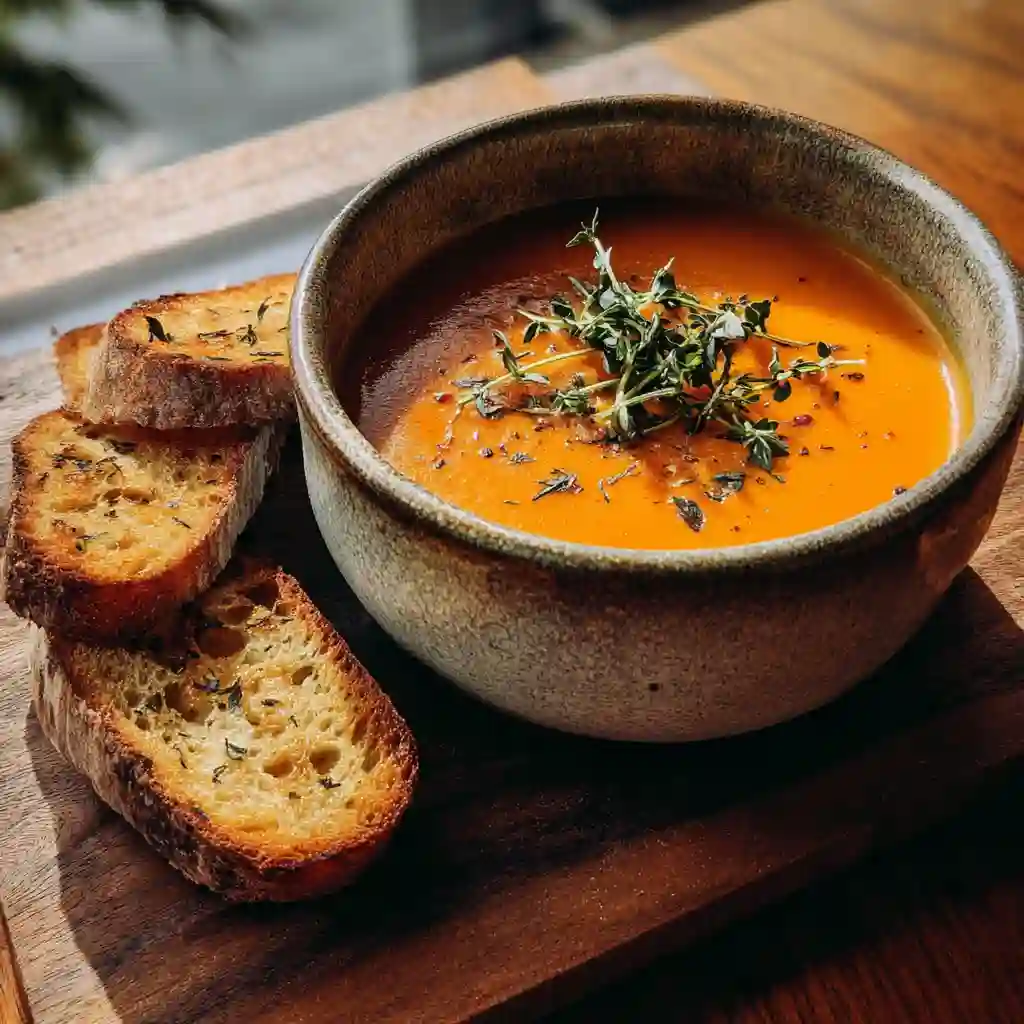
I still remember the first time I stirred together butternut squash and tomato into one soup. It was a chilly evening, and I had both ingredients leftover in my kitchen. Something about the sweetness of roasted squash blending with the tang of ripe tomatoes created a flavor that felt like home in a bowl. Since then, this butternut squash soup tomato recipe has become a warm ritual in my cooking routine—simple, soothing, and surprisingly nourishing.
In this article, I’m sharing everything you need to know about making this unique and comforting soup. Whether you’re looking for a healthier fall meal, a dairy-free comfort dish, or just curious if tomatoes and butternut squash go together, you’re in the right place.
Here’s what you’ll find inside:
- A step-by-step guide to preparing butternut squash tomato soup
- Ideas to add more flavor, spice, and texture
- Answers to common questions like: Can I put tomatoes in butternut squash soup?
- Serving and storage suggestions
- Personal tips from my kitchen
And of course, we’ll keep it light, healthy, and halal—perfect for anyone who enjoys seasonal, plant-based meals rooted in home-style cooking.
Check out this crock-pot version of butternut squash soup if you’re eager to try a slow-cooked method too. Now let’s get cooking!
Print
Butternut Squash Soup Tomato
A cozy, comforting blend of roasted butternut squash and tangy tomatoes, perfect for fall and naturally dairy-free.
- Total Time: 55 minutes
- Yield: 4 servings 1x
Ingredients
- 1 medium butternut squash, peeled and cubed
- 2 fresh tomatoes or 1 cup canned crushed tomatoes
- 1 medium onion, chopped
- 3 cloves garlic, minced
- 1 tablespoon olive oil
- 3 cups vegetable broth
- 1/2 teaspoon ground cumin
- 1/4 teaspoon nutmeg
- 1/2 teaspoon smoked paprika
- Salt and pepper to taste
- Optional: 1/2 cup coconut milk or oat cream for creaminess
Instructions
- Preheat oven to 400°F (200°C).
- Place butternut squash cubes on a baking sheet and roast for 30 minutes until tender and golden.
- In a large pot, heat olive oil over medium heat. Add chopped onion and garlic, sauté until fragrant.
- Stir in chopped tomatoes or canned tomato and simmer for 10 minutes.
- Add roasted squash, spices, and vegetable broth. Bring to a gentle boil.
- Reduce heat and simmer for 20 minutes to let flavors meld.
- Use an immersion blender to blend the soup until smooth.
- Stir in coconut milk or oat cream if using. Adjust seasoning with salt and pepper.
- Serve warm with optional toppings like fresh herbs or toasted seeds.
Notes
For extra depth, roast the tomatoes alongside the squash. This soup stores well in the fridge for up to 4 days and freezes beautifully.
- Prep Time: 15 minutes
- Cook Time: 40 minutes
- Category: Soup
- Method: Stovetop
- Cuisine: Plant-Based
- Diet: Vegetarian
Nutrition
- Serving Size: 1 bowl
- Calories: 180
- Sugar: 6g
- Sodium: 420mg
- Fat: 7g
- Saturated Fat: 2g
- Unsaturated Fat: 4g
- Trans Fat: 0g
- Carbohydrates: 26g
- Fiber: 5g
- Protein: 3g
- Cholesterol: 0mg
Keywords: butternut squash, tomato, soup, dairy-free, fall recipe, comforting
The Perfect Pair – Butternut Squash and Tomato Soup
A cozy combination: How these flavors complement each other
When I think of warmth in a bowl, butternut squash soup tomato instantly comes to mind. There’s a gentle sweetness in the squash that mellows out the bright acidity of tomatoes, creating a balance that’s both comforting and satisfying. It’s not your average soup—it feels more layered, like a dish that understands the need for both sweetness and zest.
Butternut squash alone makes a delicious base, but when I first added tomatoes, I noticed how much more depth it brought to the broth. The rich, earthy squash meets the sharp, sunny flavor of tomatoes in a way that elevates a simple recipe into something memorable.

This blend is especially loved in cooler seasons. When tomatoes are still fresh but squash is beginning to take over markets, combining them feels natural. A bowl of butternut squash soup tomato doesn’t just warm your hands—it wakes up your senses.
Why this soup has become a favorite in healthy kitchens
In many homes like mine, this recipe is a gentle go-to for nourishing the body and calming the spirit. It’s plant-based, budget-friendly, and can be adapted easily. With no need for cream or cheese, this butternut squash soup tomato works well for dairy-free eaters. You can serve it smooth for little ones, or add roasted chunks for texture.
It’s also naturally gluten-free, low in fat, and full of ingredients known to support digestion and wellness. From a nutrition perspective, butternut squash soup tomato brings beta-carotene, fiber, and vitamin C to the table. That’s why it shows up again and again in clean eating and seasonal detox plans.
If you’re new to this flavor combo, don’t miss our Panera-inspired take on butternut squash soup—it offers another delicious way to enjoy the same core ingredients.
Benefits of Butternut Squash and Tomato in Soups
Butternut squash: Nutritional benefits and traditional uses
From my experience, butternut squash has always been more than just a fall favorite. It’s a staple ingredient in soups because it’s naturally creamy when cooked, making it ideal for smooth, satisfying bowls like butternut squash soup tomato. This vibrant vegetable is rich in beta-carotene, which the body converts into vitamin A—something I find especially useful in colder months when immunity could use a little boost.
Traditionally, squash has been used in many cultures for its grounding, warming nature. Its mild flavor makes it a beautiful canvas for spices and herbs. I often roast it first to deepen its sweetness before blending it into soups. When combined with tomatoes, it brings balance and softness, giving the soup a heartier texture without needing heavy cream or butter.
Tomatoes in soup: Vitamin boost and gentle acidity
Tomatoes bring more than just color and tang to the mix. They’re packed with antioxidants, especially lycopene, which has been associated with heart health and general wellness. When simmered slowly, tomatoes release their natural juices and acidity, which can help brighten up the depth of squash.
In my butternut squash soup tomato recipe, I often use both fresh and canned tomatoes depending on the season. A touch of tomato not only sharpens the flavor—it rounds out the sweetness of the squash. It’s this subtle contrast that makes every spoonful feel balanced, not bland.
If you’re curious about flavor layering in soups, check out this guide on lasagna-style soup recipes—it shows how tomatoes play a starring role even in heavier dishes.
Ingredients You’ll Need for Butternut Squash Tomato Soup
Fresh vs canned tomatoes: Which is better?
When I prepare butternut squash soup tomato at home, I start by thinking about the tomatoes. Fresh tomatoes, especially vine-ripened or Roma, bring a light, garden-fresh taste. They work beautifully when roasted alongside squash. But on days when I want something quicker, I use canned tomatoes—ideally the kind with no added salt or preservatives. They’re convenient and still full of flavor, especially when simmered with onion and garlic.
Canned crushed tomatoes offer a thicker consistency that pairs well with the silkiness of butternut squash. If you’re going for a deeper color and a slightly tangy edge, canned tomatoes do the job without compromise. That said, nothing beats the taste of freshly roasted tomato in a cozy bowl of butternut squash soup tomato during peak season.
The role of broth, spices, and other flavor builders
Beyond the squash and tomato, the broth plays a starring role in the depth of this soup. I typically use a vegetable broth base, though a homemade bone broth alternative can give it more richness. If you’re dairy-free, you can even stir in a splash of coconut milk at the end—it adds creaminess without overpowering the clean, natural flavor of the butternut squash soup tomato.
To build layers of flavor, I sauté garlic, onion, and sometimes a bit of celery or carrot. Cumin, nutmeg, and smoked paprika are among my favorite spices to add warmth. And don’t forget salt and pepper—seasoning is key when working with simple vegetables.
Discover great ideas like how to use up leftover vegetables in soups, especially if you’ve got half an onion or roasted squash on hand.
Step-by-Step Recipe to Make Butternut Squash Soup with Tomato
Simple prep steps for home cooks
Making butternut squash soup tomato at home doesn’t require fancy skills or tools—just a few honest ingredients and a bit of time. I like to start by peeling and cubing a medium butternut squash. For extra flavor, I roast the cubes at 400°F for about 30 minutes until golden and tender. While the squash is roasting, I sauté chopped onion and garlic in olive oil until they’re fragrant and slightly caramelized.
Next, I stir in the tomatoes—either two fresh chopped tomatoes or one cup of canned crushed tomato. If I want a richer flavor, I let the tomato mixture simmer for about 10 minutes before adding the roasted squash and broth. This stage is where the magic begins: the sweet squash and tangy tomato combine into a base that feels nourishing and familiar.
Cooking methods: Stovetop, oven-roasted, or slow cooker
Once everything is combined, you can choose how to cook it. On the stovetop, I let it simmer for 20 minutes, then blend it with an immersion blender. For oven lovers, you can roast all the veggies together and blend with hot broth afterward—this method deepens every note of the butternut squash soup tomato. On busy days, the slow cooker is a blessing: toss everything in and let it cook on low for 6 hours.
No matter the method, the key is to blend until smooth and adjust the seasoning to your liking. Sometimes, I stir in a splash of coconut milk or oat cream just before serving. Check out this slow cooker veggie meal idea for more one-pot inspiration that’s just as comforting.
What Flavors Go Well with Butternut Squash Soup?
Balancing sweet, savory, and acidic notes
The beauty of butternut squash soup tomato lies in how versatile it is. The natural sweetness of the squash pairs wonderfully with the bright acidity of tomato, but the real charm comes from the flavors you layer in. I often use a touch of apple cider vinegar or a squeeze of lemon to enhance the tanginess, especially if the tomatoes are on the mild side. A pinch of brown sugar or maple syrup can also bring out the squash’s richness if you prefer a sweeter note.
The soup becomes even more dynamic when you add savory herbs like thyme or rosemary. These earthier tones anchor the lighter ingredients and round out the soup without overpowering it. I’ve found that a dash of smoked paprika or a hint of curry powder introduces warmth and intrigue, giving this simple butternut squash soup tomato recipe a whole new personality.
Best spices, herbs, and add-ins (like garlic, ginger, coconut milk)
From my kitchen trials, garlic and ginger are must-haves. They not only support digestion but also add depth to every spoonful. Ginger adds gentle heat while garlic brings a soft pungency that cuts through the sweetness of the squash.
For a creamy finish without dairy, I like to stir in coconut milk or oat cream. It softens the acidity of the tomato and adds a velvety texture. Crushed red pepper flakes can be used if you’re after a little kick. Learn more about comforting foods that nourish during seasonal changes, especially if you’re trying to build more warmth into your meals this season.
Variations and Add-Ons for More Flavor
Adding protein: Beans, lentils, or chicken
If you’re looking to make your butternut squash soup tomato more filling, adding a protein source is an easy way to do it. I often toss in a handful of cooked red lentils for extra creaminess and a gentle nutty flavor. White beans like cannellini or navy beans also blend in seamlessly and boost the fiber and protein content.
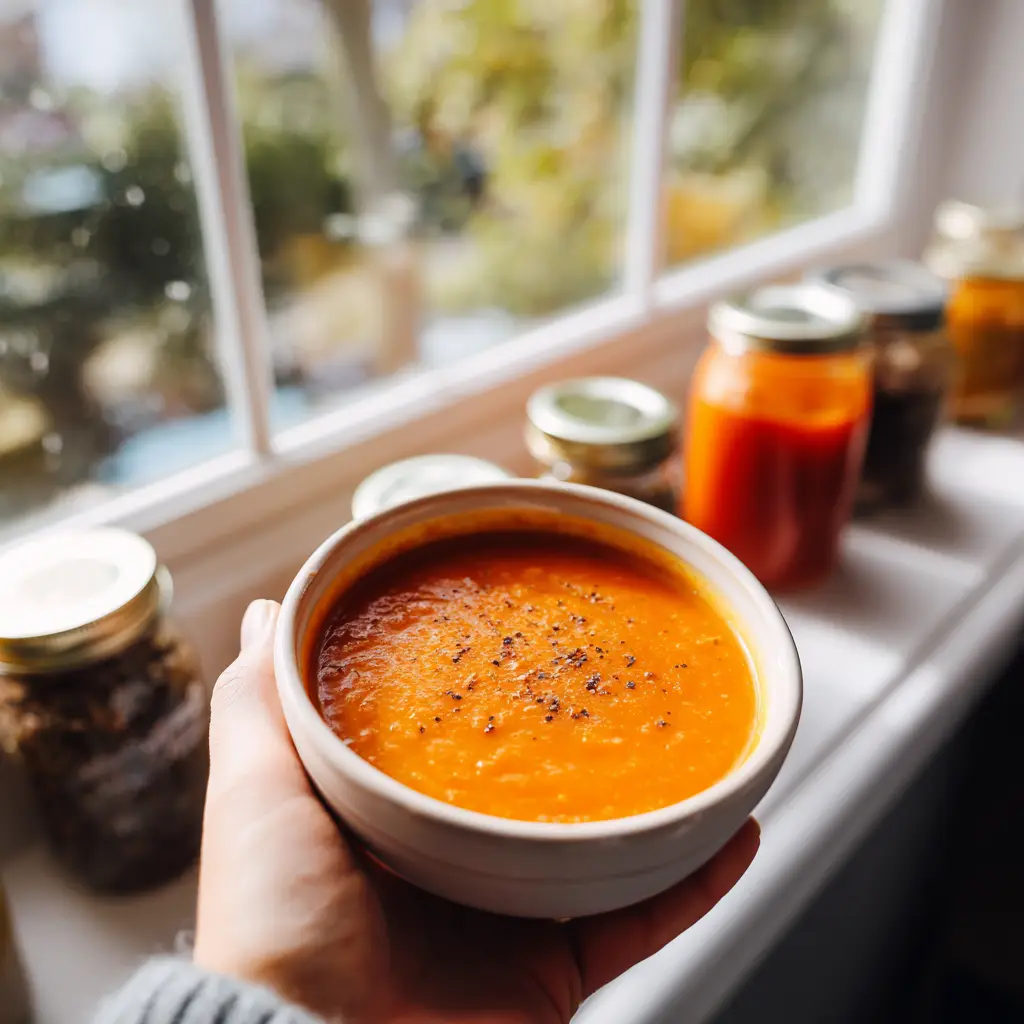
For non-vegetarian options, shredded chicken works well, especially when the soup is blended smooth first and the chicken is stirred in afterward. It gives a hearty texture without overpowering the core squash and tomato flavor. If you want something with more bite, diced turkey sausage or crumbled tofu also pair nicely.
Making it creamy or spicy: Dairy-free tips included
When I want to create a creamier butternut squash soup tomato, I reach for coconut milk or cashew cream. These add a silky finish that complements the roasted vegetables beautifully. They’re great choices for anyone avoiding dairy but still craving that rich texture.
Spice lovers can layer in flavor with a bit of cayenne, chili powder, or even harissa paste. Just a small amount transforms the profile of the soup. I’ve also added turmeric on cooler days, both for warmth and color. The combination of creamy squash, acidic tomato, and gentle heat creates a bowl that feels restorative and comforting.
Check out this post on bone broth alternatives if you’re exploring ways to make your soups richer without traditional meat stocks.
Common Questions Answered (FAQ Section)
Can I put tomatoes in butternut squash soup?
Yes, and in my kitchen, I always do. Tomatoes not only bring acidity but also brighten the natural sweetness of squash. When simmered together, they create a flavor harmony that makes butternut squash soup tomato something special. Whether using fresh or canned tomatoes, the result is a well-balanced soup that feels lighter and more dynamic than squash alone.
Do tomatoes go with butternut squash?
Absolutely. Tomatoes are one of my favorite ways to round out the rich texture of squash. Their tangy notes prevent the soup from tasting overly sweet, and they pair beautifully with earthy herbs like thyme and basil. This blend forms the foundation of many fall and winter recipes in my home, especially butternut squash soup tomato variations.
What to add to butternut squash soup for more flavor?
You can take your soup in several directions. Add fresh garlic, roasted onion, or spices like cumin and turmeric to build warmth. A touch of acidity—like lemon juice or vinegar—can lift the flavor. For creaminess, coconut milk or cashew cream blends well. I’ve even stirred in a spoonful of tahini for richness. Each ingredient enhances the base of butternut squash soup tomato without overwhelming it.
What flavors go well with butternut squash?
Squash pairs beautifully with savory, sweet, and spicy elements. Think ginger, cinnamon, smoked paprika, and chili flakes. Tomatoes, apples, or roasted peppers add a twist that works well in soups and stews. In my experience, even a sprinkle of fresh herbs or toasted seeds on top of butternut squash soup tomato can completely elevate the bowl.
Serving and Storing the Soup
Toppings that add texture and taste
Once your butternut squash soup tomato is ready, the fun part begins—toppings. I like to add roasted pumpkin seeds for crunch, a swirl of coconut cream for contrast, or even crispy chickpeas when I want something more filling. If you have leftover herbs like parsley or cilantro, a quick sprinkle on top adds color and freshness. For a spiced touch, try a dash of paprika or chili oil right before serving.
This soup also pairs wonderfully with crusty whole-grain bread or a scoop of cooked quinoa for a more complete meal. Even a dollop of dairy-free yogurt can offer a cool contrast to the warm, rich base. The toppings don’t just add texture—they help each bowl feel tailored and special.
How to store and freeze leftovers properly
Whenever I make a big batch of butternut squash soup tomato, I always set some aside for later. It stores well in an airtight container in the fridge for up to 4 days. I recommend letting it cool completely before sealing to avoid excess moisture buildup.
For longer storage, freezing works beautifully. Pour the cooled soup into a freezer-safe bag or container, leaving a little space at the top for expansion. Label it with the date, and it will stay fresh for up to 3 months. When you’re ready to enjoy it again, thaw in the fridge overnight and warm gently on the stove. The flavors deepen over time, making your second bowl of butternut squash soup tomato just as satisfying—if not more.
My Personal Notes and Cultural Reflections
How this soup fits into traditional seasonal cooking
Every year, as the leaves begin to fall and the air takes on that familiar crispness, I find myself returning to the warmth of butternut squash soup tomato. It feels like the season’s most comforting answer to chilly hands and quiet evenings. In my kitchen, squash is a seasonal staple—something we buy in bulk, roast on weekends, and fold into everything from salads to stews.

Tomatoes, though more of a summer fruit, often linger into early fall, making them a natural companion in transitional recipes. This soup feels like a gentle bridge between seasons, combining late-summer brightness with deep autumn warmth. It reminds me of simpler times—when meals were slower, flavors were layered, and every ingredient had a story.
My favorite way to enjoy it on colder days
On the coldest evenings, I like to make a thicker version of butternut squash soup tomato, almost like a puree. I’ll top it with toasted walnuts and a splash of coconut cream. If I’ve got leftover quinoa or brown rice, I stir that in too—it adds bulk without stealing the spotlight. Paired with a warm wrap or piece of flatbread, it becomes a meal that feels both grounding and graceful.
It’s more than just soup—it’s tradition, memory, and nourishment in a bowl. If you’ve made it this far, I hope you’ll try making your own version of butternut squash soup tomato. And maybe, like me, it will become part of your seasonal rhythm too.
Conclusion
If there’s one recipe I return to again and again as the seasons shift, it’s butternut squash soup tomato. It’s warm, familiar, and endlessly adaptable. Whether you’re cooking for your family, prepping ahead for the week, or just wanting a cozy bowl to curl up with, this soup offers a healthy and comforting option that fits into nearly any lifestyle.
I’ve learned that keeping ingredients simple doesn’t mean sacrificing flavor. In fact, it invites creativity. With just squash, tomato, and a few thoughtful add-ins, you can build a meal that feels both nourishing and joyful. It’s one of those recipes that welcomes your personal touch—spicy, creamy, chunky, or smooth.
If you’re looking for more warm kitchen ideas, visit my Facebook page at facebook and follow me on Pinterest at pinterest for soup inspiration and comforting recipes year-round.
Remember, this recipe is shared for informational purposes and is not a substitute for medical advice. Always enjoy your food mindfully, and savor every spoonful of your homemade butternut squash soup tomato.