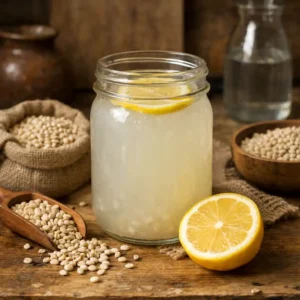
It was just after sunrise, and I had sprinkled a pinch of something special into my warm lemon water—a soft, grayish crystal that’s been part of my morning for years now. That little touch? Celtic sea salt. Unlike the harsh, bleached table salt I grew up avoiding, this one felt… grounding. There’s a quiet strength in it—like the sea air of Brittany had settled into every grain.
In this guide, I’m going to share everything I’ve learned about the benefits of Celtic sea salt. If you’re someone looking to support your body with more natural, nourishing choices, or just curious about the difference between salts lining the health store shelves, this is for you.
You’ll discover how this mineral-rich salt is traditionally used for hydration, sleep support, skin wellness, and even oral care. We’ll explore its trace minerals, how it compares to Himalayan salt, how much to safely use daily, and even why some people place it under their tongue before bed. You’ll also find answers to some of the most common questions—like whether Celtic salt really helps with acne, heart health, and iodine intake.
Learn more about hydration support in recipes like this natural electrolyte drink blend that pairs beautifully with mineral-rich salts.
So, let’s begin our journey through this simple, ancient ingredient that might just be more useful than you expected.
Introduction to the Benefits of Celtic Sea Salt
What is Celtic sea salt? Natural origins and mineral richness
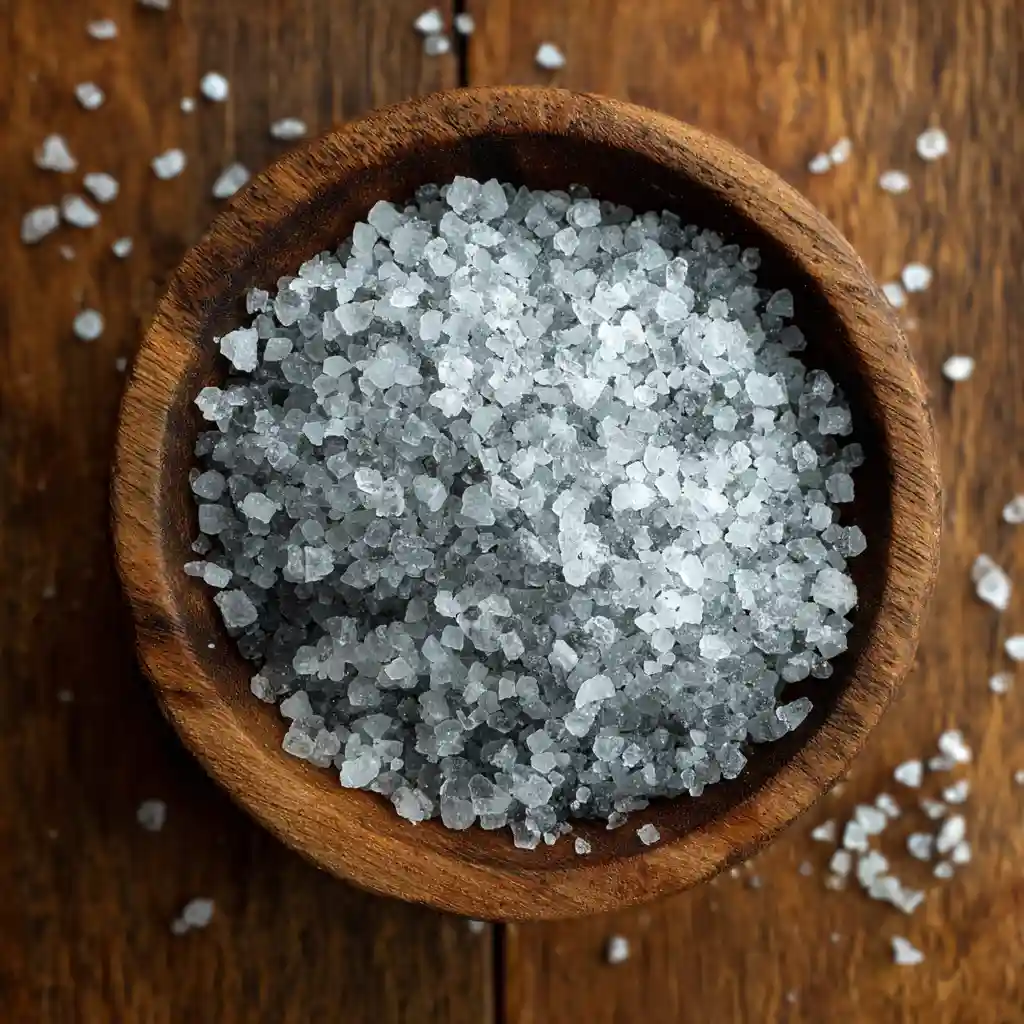
I still remember the first time I opened a bag of Celtic sea salt—the crystals were damp, earthy, and unlike anything I’d seen in my kitchen before. Harvested along the coastal flats of Brittany, France, this unrefined salt is sun-dried and hand-raked in clay ponds. That traditional method helps retain a wide spectrum of trace minerals, like magnesium, calcium, and potassium, which are often lost in commercial table salt.
But what makes this salt so different isn’t just where it comes from—it’s how it works with the body. Unlike heavily processed salts that offer little more than sodium chloride, the benefits of Celtic sea salt stem from its natural mineral balance and subtle alkalizing effects. Many people say it feels easier on the body and supports hydration better—especially during hot seasons or wellness routines.
Whether you’re sipping it in water or sprinkling it over food, this salt is more than a seasoning—it’s a quiet way to give your body something whole and real.
Why many prefer Celtic over table salt or other sea salts
There’s a growing interest in salts that do more than just flavor food. For those of us choosing to eat clean and natural, the benefits of Celtic sea salt stand out. It’s not bleached. It’s not stripped. It’s not “enriched” with synthetic additives. And unlike Himalayan salt, which is mined and older, Celtic sea salt comes from living seawater and is naturally moist.
People have shared that it helps with energy dips, leg cramps, and even restful sleep when used thoughtfully. And because it retains over 70 trace minerals, many say it supports their mineral intake in a balanced, bioavailable way.
It’s gentle. It’s honest. And it reminds me daily that wellness doesn’t have to come in a pill—sometimes it starts with a pinch of the right salt.
The Core Benefits of Celtic Sea Salt
Top benefits of Celtic sea salt for overall wellness
When I think about the benefits of Celtic sea salt, the first thing that comes to mind is how it supports hydration. Unlike refined salt, this mineral-rich option contains electrolytes that help the body absorb and retain water more efficiently. I often mix a pinch into my morning water, and it helps me feel balanced throughout the day—especially after a walk or garden work under the sun.
Another important benefit is its natural support for digestion. Celtic salt may stimulate saliva production and aid stomach acid levels, making it a gentle ally for people who struggle with bloating or sluggish digestion. Some friends even sprinkle a bit into homemade bone broth or warm lemon water for a comforting gut reset.
Let’s not forget its traditional use in adrenal support. The minerals found in this salt may help with occasional fatigue, especially during stressful seasons. Adding Celtic salt to meals or drinks has helped me personally when I feel a bit depleted.
The benefits of Celtic sea salt also include its alkalizing nature, which some say helps balance the body’s internal pH. Though more research is needed, many natural wellness followers prefer it over table salt for this reason. And the fact that it’s free from anti-caking agents and bleaching chemicals? That’s a wellness win in itself.
Print
Benefits of Celtic Sea Salt for Daily Natural Wellness
Celtic sea salt offers a spectrum of health benefits from hydration and sleep support to skin clarity and oral health. This wellness guide explores 7 natural ways to use it daily.
- Total Time: 2 minutes
- Yield: 1 daily serving
Ingredients
• 1/4 tsp Celtic sea salt daily • Optional additions: lemon juice, warm water, kelp flakes • Use in broths, lemon water, or DIY scrubs
Instructions
1. Start your morning with a pinch of Celtic sea salt in warm lemon water. 2. Use in cooking: soups, stews, and roasted veggies. 3. Add to a warm bath or make a scrub with coconut oil. 4. For oral care, dissolve in warm water for a rinse. 5. Try placing a pinch under the tongue before sleep.
Notes
Start slow when switching from refined salt. Listen to your body and adjust based on hydration needs and personal wellness goals. This is not medical advice—consult your healthcare provider for guidance.
- Prep Time: 2 minutes
- Cook Time: 0 minutes
- Category: Wellness
- Method: No-Cook
- Cuisine: Natural Health
Nutrition
- Serving Size: 1 glass
- Calories: 0
- Sugar: 0g
- Sodium: 400mg
- Fat: 0g
- Saturated Fat: 0g
- Unsaturated Fat: 0g
- Trans Fat: 0g
- Carbohydrates: 0g
- Fiber: 0g
- Protein: 0g
- Cholesterol: 0mg
Keywords: benefits of Celtic sea salt, hydration, natural electrolyte, mineral salt, salt under tongue
The benefits of Celtic grey sea salt and how it differs
Celtic “grey” sea salt, often called “light grey” due to its color from clay-lined beds, is particularly prized. It holds moisture and is slightly damp to the touch—a sign it hasn’t been over-processed. What I’ve noticed with this specific variety is how much more vibrant my soups and fermented foods taste when I use it.
The unique moisture in Celtic grey sea salt helps maintain its mineral profile. And because it’s unrefined, it’s often said to carry subtle detoxifying properties—something traditional cultures have long respected. Whether stirred into broths, sprinkled on roasted vegetables, or added to drinking water, this salt fits easily into a natural kitchen routine.
In my experience, the benefits of Celtic sea salt truly shine when it replaces chemically treated salts in everyday meals. It’s a small change, but one that adds up—flavor-wise and wellness-wise.
Celtic Sea Salt and Skin Health
Celtic sea salt benefits for acne and skin clarity
As someone who’s always believed in nourishing the body from the inside out, I was curious when I heard people talking about the benefits of Celtic sea salt for acne. I had always seen salt as something you avoid on broken skin—but Celtic salt is different. Its trace minerals, especially magnesium, are known to support the skin’s natural barrier and may help calm irritation when used gently.
Some say its antibacterial qualities help reduce surface buildup, while its natural exfoliating texture can support clearer pores when used in DIY scrubs. I tried it once mixed with raw honey as a mask, and my skin felt surprisingly soft afterward. If acne has ever made your skin feel raw or inflamed, this type of salt offers a mineral-rich, more traditional route to care.

How to use Celtic sea salt topically (baths, scrubs)
One of the easiest ways to enjoy the benefits of Celtic sea salt for your skin is through a warm bath. A small handful dissolved into the tub can help the body absorb magnesium and other minerals through the skin—a practice many people find calming after a long day. I often add a few drops of lavender oil for a relaxing boost.
Another favorite of mine is a homemade scrub. Mixing Celtic salt with coconut oil makes a simple, effective exfoliator for feet and elbows. And unlike harsh synthetic scrubs, this one nourishes as it smooths.
These external uses are just as meaningful as the internal ones. They remind me that wellness doesn’t always have to be complicated. With something as simple and natural as sea salt, we can gently care for our skin in ways that feel restorative. The benefits of Celtic sea salt really do reach beyond the kitchen.
Celtic Sea Salt for Heart and Circulation
Celtic sea salt heart benefits: traditional perspectives
Heart health is something I’ve learned to care for more intentionally with age. While many people are told to avoid salt altogether, I started exploring natural options that might support rather than stress the body. That’s when I came across the benefits of Celtic sea salt in conversations about circulation and mineral balance.
Unlike refined salt, which is mostly sodium chloride, Celtic sea salt offers a broader mineral spectrum. These minerals—especially magnesium and potassium—are known to support muscle function and may play a role in healthy blood pressure levels. From a traditional wellness point of view, many people find that unrefined salts feel more in tune with the body’s natural rhythm.
I now use it lightly in broths, herbal stews, and my morning lemon water. The shift was small but meaningful. I didn’t just cut salt—I upgraded it. And it made a difference in how I feel after meals.
Don’t miss our gentle salt-based remedy for balance in this blue salt trick recipe.
Celtic sea salt and hydration: electrolyte balance support
Proper hydration goes beyond just drinking water. Without the right minerals, that water doesn’t get absorbed efficiently. That’s why one of the most practical benefits of Celtic sea salt is its ability to support electrolyte balance. This salt contains naturally occurring sodium along with other minerals that may help your cells hold onto water better.
On hot days, I add a pinch to my water bottle along with a splash of lemon. It’s an old habit that’s helped me avoid lightheadedness or dehydration, especially during gardening or errands. Some even say it supports energy and mental clarity.
There’s something grounding about knowing where your salt comes from and how it supports your body. The benefits of Celtic sea salt remind us that sometimes nature knows best.
For a hydration-friendly swap, check out this Gatorade alternative using natural salt and fruit here.
Sleep, Stress, and Energy Balance
Celtic sea salt benefits sleep and supports restfulness
There’s something soothing about ending the day with a small wellness ritual. For me, that often includes a warm herbal tea and just a tiny pinch of Celtic sea salt under the tongue. Many people have shared how this habit helps them feel more grounded before bed—and it’s one of the lesser-known benefits of Celtic sea salt that’s gaining quiet popularity.
Some say it supports adrenal function, especially when taken before sleep. The trace minerals may help the body regulate stress hormones naturally, making it easier to relax and unwind. While it’s no magic cure, I’ve personally felt more calm at night since adding this simple practice.
Sleep, after all, is about more than tiredness—it’s about balance. And in natural health traditions, minerals from unrefined salt have long been used to support rest.
Looking for inspiration? Try this old-world calming blend in our banana bread latte recipe that pairs beautifully with mineral-rich ingredients.
Nighttime rituals using Celtic salt under the tongue
I used to be skeptical about placing salt under the tongue, but the experience surprised me. The moisture in Celtic sea salt makes it dissolve quickly, and many say this method allows minerals to enter the body more efficiently. It’s said to support hydration and help reset the nervous system after a busy day.
Personally, I take just a pinch—no more than a few grains. Too much isn’t needed. And it’s not a replacement for medical advice, just a small ritual I’ve grown to appreciate.
The benefits of Celtic sea salt in this form may also relate to the oral microbiome. Because it’s rich in natural minerals and lacks harsh additives, it feels less drying and more restorative than processed salt.
This quiet act, done with intention, reminds me that wellness is sometimes just about noticing the little things—and choosing what nourishes.
Dental and Oral Health Support
Celtic sea salt dental benefits: traditional rinses and remineralizing effects
When I first learned about the benefits of Celtic sea salt for oral care, I was surprised. Saltwater rinses were something my grandmother always recommended, but I never thought much of the type of salt used. It turns out, not all salts are created equal—especially when it comes to your teeth and gums.
Celtic sea salt is rich in trace minerals, which may support the natural remineralization process of tooth enamel. When dissolved in warm water, it makes a gentle mouth rinse that many say helps reduce sensitivity and freshen breath. I’ve used it several times a week, and the feeling afterward is clean, but never harsh.
Unlike commercial mouthwashes that rely on alcohol or artificial chemicals, a simple rinse with mineral-rich salt water can feel refreshing and nourishing. That’s why the benefits of Celtic sea salt have made their way into so many natural dental routines.
For a full-body approach that also supports wellness, don’t miss our seed-based recipe packed with minerals and healing tradition: Bariatric seed ritual.
Why some people put Celtic salt under their tongue
Beyond the bedtime ritual, some also place a pinch of Celtic salt under the tongue after brushing. This habit is said to support oral hydration and help maintain a balanced pH in the mouth, which may contribute to healthier gums over time.
It’s a small act, but one that feels intentional. The salt’s moist texture helps it dissolve gently, and I’ve found it especially helpful when my mouth feels dry or tired after a long day.
With so many processed options in stores, going back to something as simple as salt feels surprisingly powerful. The benefits of Celtic sea salt in oral care remind me that nature often has its own quiet wisdom.
Nutrient Support: Iodine, Minerals & More
Celtic sea salt benefits iodine levels naturally
I used to think iodine only came from iodized table salt. It wasn’t until I looked deeper into traditional foods that I learned some natural salts contain small, yet meaningful, amounts of iodine. Among them, the benefits of Celtic sea salt stood out because of how gently it supports mineral intake—without synthetic additives.
While it’s not as concentrated in iodine as some fortified products, many natural health supporters use Celtic salt in combination with seaweed or other whole foods. Together, they may help maintain a healthy thyroid and metabolic balance. I’ve started pairing a dash of Celtic salt with kelp flakes in soups or broths—it’s a simple way to add flavor and peace of mind.
The salt’s trace minerals, including magnesium, selenium, and iron, may also work in harmony to support the body’s natural processes. This balance is part of what makes the benefits of Celtic sea salt feel more complete than standard salt options.
Essential trace minerals in Celtic salt and their roles
What fascinates me most about Celtic sea salt is how many tiny nutrients it contains—more than 70 trace minerals. These include calcium for bones, magnesium for relaxation, and potassium, which may help with nerve and muscle function. It’s these micro-elements that make the salt feel more like a food than just a seasoning.
I often recommend it to friends who want to add natural minerals to their meals without relying on supplements. A pinch in a stew or a sprinkle on roasted vegetables goes a long way. You’re not just salting your food—you’re nourishing your body, bite by bite.
The benefits of Celtic sea salt truly come from its wholeness. Nothing is removed. Nothing is artificially added. It’s nature’s mineral blend, offered as it is.
Comparing Celtic Sea Salt with Other Popular Salts
Which is better: Himalayan salt or Celtic salt? A personal comparison
When I first stood in the spice aisle trying to choose between pink Himalayan salt and Celtic sea salt, I had no idea how different they really were. Both are unrefined and come from natural sources, but each has its own story—and its own benefits.
Himalayan salt is mined from ancient sea beds in Pakistan. It’s dry, pretty, and rich in iron oxide, which gives it that signature pink hue. On the other hand, the benefits of Celtic sea salt come from its fresh harvest from current sea waters and its moist, gray crystals that hold a wider variety of minerals.
From my experience, Celtic salt tastes gentler and blends better in hydration drinks. Himalayan salt feels drier and works well for finishing dishes. I still use both occasionally, but for daily mineral support and cooking, I’ve found myself reaching for the Celtic kind far more often.
Understanding Celtic sea salt vs refined salt or kosher salt
Refined white table salt is just sodium chloride—stripped of natural minerals and often bleached, dried, and loaded with anti-caking agents. Kosher salt is a step better in terms of purity but still lacks the complexity of unrefined options.
The benefits of Celtic sea salt really stand out when compared side by side. It’s not just about taste, but function. It offers mineral diversity, natural moisture, and a soft texture that feels nourishing rather than harsh. I’ve even noticed I use less of it, simply because the flavor is more full-bodied.
When you start using a more natural salt like this, you begin to notice how many processed versions dominate our shelves. Going back to something as clean and simple as Celtic salt feels like a return to roots—and that’s something I can stand behind.
How to Use Celtic Sea Salt Safely Daily
How much Celtic sea salt should you take daily?
When I first began using Celtic salt, I wasn’t sure how much was too much—or too little. Over time, I learned that like many natural ingredients, moderation is key. Most wellness circles suggest anywhere from 1/4 to 1/2 teaspoon per day, depending on your activity level, climate, and overall diet.
The benefits of Celtic sea salt show up best when it’s used thoughtfully. Too much salt—of any kind—can be burdensome. But when used in small, consistent amounts, it may support hydration, energy, and even digestion. I personally start my day with a pinch in warm lemon water, and it seems to gently energize me without any jitteriness.
It’s important to listen to your body. If you sweat more during workouts or live in a hot climate, your needs might increase. But always check with a trusted healthcare provider before making any big changes, especially if you have high blood pressure or other conditions.

Simple ways to add Celtic salt to your diet mindfully
There are so many easy ways to bring the benefits of Celtic sea salt into daily life. I like to keep a small bowl of it near my stove and add a pinch to soups, grains, or roasted vegetables. Because it’s more mineral-rich than table salt, you don’t need as much to get flavor and function.
You can also sprinkle it over avocado toast, blend it into salad dressings, or use it in electrolyte drinks after a walk. It’s become a staple in my kitchen—not just for flavor, but for how it makes me feel.
If you’re switching from processed salt, go slow. Let your taste buds adjust, and notice how your body responds. With time, many people report more steady energy, less bloating, and better hydration. These small changes can become quiet victories in your wellness routine.
FAQ Section
How much Celtic sea salt should you take daily?
Most people do well with around 1/4 to 1/2 teaspoon of Celtic sea salt a day, especially when it’s used in cooking or added to drinks. The benefits of Celtic sea salt become more noticeable when it’s used consistently but in moderation. Since this salt is richer in minerals than processed alternatives, you don’t need a lot to get the job done.
I usually start my morning with a pinch in warm water, and sometimes I’ll add another pinch to a light soup or salad at lunch. If you’re unsure how much is right for your body, especially if you’re managing blood pressure or kidney health, it’s always smart to talk with a trusted medical provider.
What are the benefits of Celtic sea salt?
The benefits of Celtic sea salt are widely appreciated among natural wellness communities. It contains over 70 trace minerals, which may support hydration, adrenal balance, skin clarity, and even oral care. Many people also say it helps them feel more grounded and energized throughout the day. Unlike refined salt, it doesn’t contain additives or harsh bleaching agents.
From my experience, it also helps food taste fuller—especially in broths or slow-cooked meals. It’s not just about saltiness, but about depth and richness.
Why put Celtic salt under the tongue?
Placing a pinch of Celtic salt under your tongue is a practice some people use for better mineral absorption. The soft, damp texture helps it dissolve quickly, and it may support the nervous system and hydration. This is one of the more unique benefits of Celtic sea salt, especially when done before sleep or after sweating.
I like to think of it as a quiet evening ritual—one that encourages rest without needing anything fancy.
Which is better: Himalayan salt or Celtic salt?
Both salts have their place, but in my kitchen, Celtic sea salt is the daily go-to. It’s moist, mineral-rich, and harvested from live sea waters. Himalayan salt, while beautiful and high in iron, comes from ancient mines and can be drier. The benefits of Celtic sea salt feel more complete, especially when you’re seeking hydration and gentle mineral support.
If you’ve never tried it, even replacing your regular table salt for a week might help you notice the difference.
Conclusion
I’ve come to think of Celtic sea salt as more than just a seasoning—it’s a quiet companion in my wellness journey. From helping with hydration to supporting better sleep, the benefits of Celtic sea salt have become a gentle but reliable part of my daily rhythm. And the best part? It’s simple. No packaging promises. No additives. Just real, mineral-rich salt from the sea.
If you’re looking to make small, nourishing changes to your kitchen or wellness habits, this salt is an easy place to start. Whether you stir it into a morning drink, add it to a bath, or sprinkle it onto your dinner, it has a way of bringing both flavor and function to the table.
Learn more about salt-based hydration support with this natural electrolyte drink recipe, a lovely pairing for Celtic salt in your daily routine.
This is a reminder that sometimes, returning to something as pure and ancient as salt can bring balance in a world full of complexity. The benefits of Celtic sea salt aren’t loud—but they’re lasting.
For more natural wellness ideas, follow my journey on Facebook and find cozy inspiration on Pinterest.
This recipe is shared for informational purposes and is not a substitute for medical advice.